

Ditch The Mulch For These 11 Living Plant Alternatives
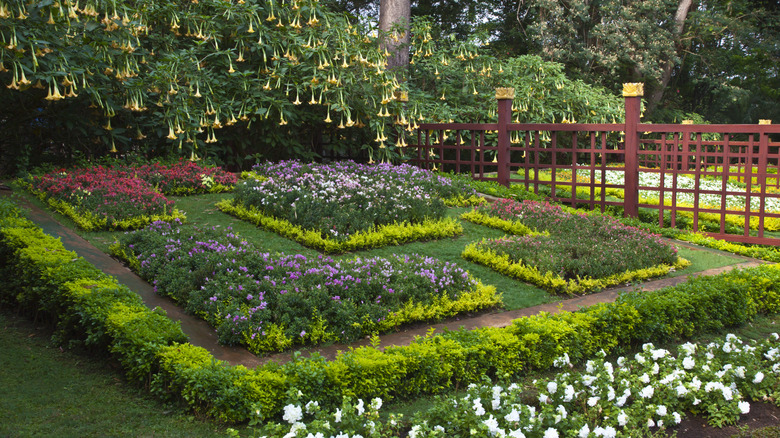
With warmer weather often comes the need to refresh your mulch. After all, months spent sheltering your plants from the cold, dry conditions of winter can take a toll on your ground cover. However, before investing in traditional store bought options like wood chips or pine straw, you may instead be interested in searching for an alternative to mulch — and these plants are the perfect place to start.
Mulch is the unsung hero of the garden. From suppressing weeds and preventing erosion or wind damage to ensuring the plants in your garden have both the moisture and nutrients they need to thrive, mulch is a key component of a healthy garden ecosystem. However, that isn't to say that mulch doesn't have its downside. For one, mulch can reduce the space available on the soil for beneficial organisms, whether that's bacteria or ground-nesting insects. It also can take time to decompose. Because of this, you may wish to swap your traditional mulch for an array of plants that serve as ground cover. Using plants as living mulch, like nasturtiums or creeping thyme, provides many of the same benefits as mulch (if not when you choose a low-maintenance option), while also adding greenery to your yard.
Before committing to a living plant alternative to mulch, consider your needs. If you're simply looking to regulate soil temperatures and reduce evaporation, an annual plant like borage or buckwheat that provides coverage during the summer may be enough. However, for year-round benefits, consider perennials like bearberry.
Bearberry
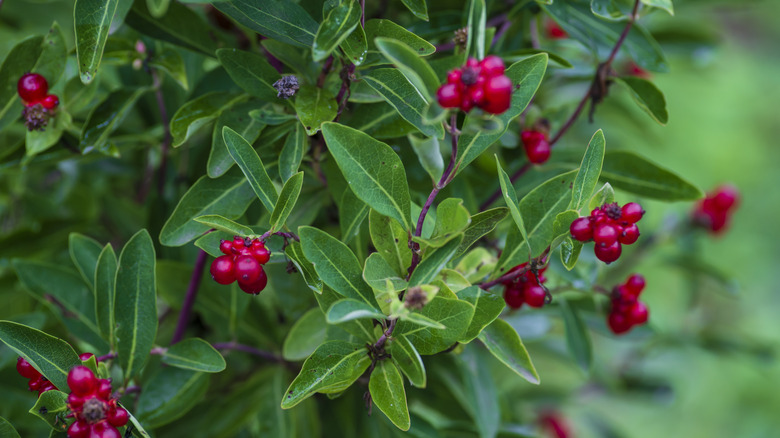
One example of a low-maintenance ground cover that thrives when used as living mulch is bearberry (Arctostaphylos uva-ursi). This evergreen shrub grows low to the ground, spreading over challenging terrains like rocky or sandy areas and hills. This makes it useful as a mulch alternative in sloped yards. Because bearberry grows in dense mats, it provides the soil with shade. This helps retain moisture by regulating soil temperatures and reducing evaporation, similarly to mulch. Bearberry also takes up some of the space that weeds would otherwise consider prime real estate in your yard. It's hardy in zones 3 through 7.
Hairy vetch
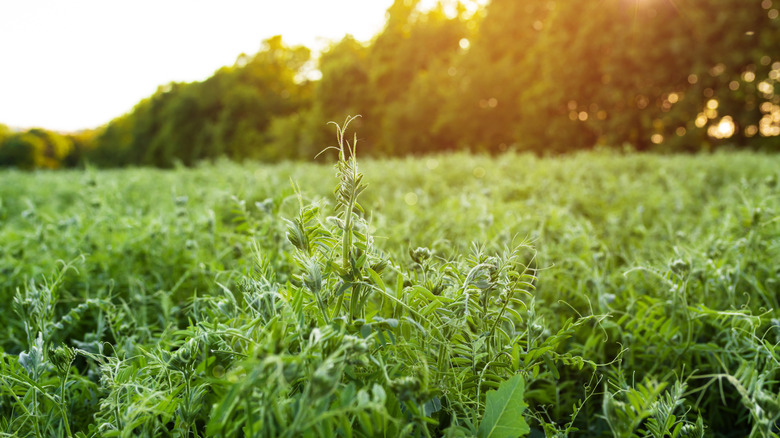
Hairy vetch (Vicia villosa) is commonly used as crop cover — and for good reason. As a legume, hairy vetch acts as a nitrogen source while also providing the same shade and space benefits as bearberry and other plant alternatives to mulch. However, to reap the nitrogen benefits of hairy vetch, it will require some processing. This involves allowing it to grow then mowing it down. But, instead of cleaning up the trimmed hairy vetch as you would grass clippings, you can spread it over the ground and allow it to naturally decompose, returning nutrients to your soil.
Comfrey
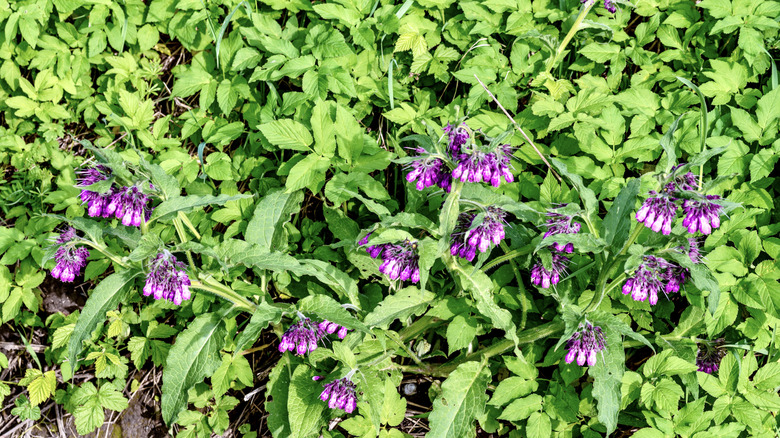
Not to be confused with other species that go by the same common name, comfrey (Symphytum officinale) excels as a mulch alternative. It's also one of the best companion plants you can grow alongside plum trees. Cut comfrey leaves insulate the ground around other plants in your garden, retaining moisture while slowly decomposing to release nutrients. And, because new growth emerges from any leftover roots, you can cut and drop comfrey multiple times while only sowing it once. While growing, comfrey also spreads easily, helping reduce weeds and erosion within your garden. It's hardy in zones 4 through 8.
Buckwheat
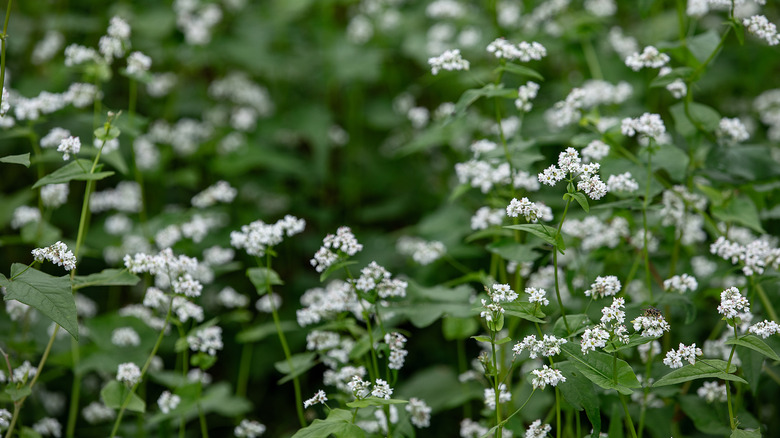
Although comfrey and hairy vetch provide benefits while as living plants and composting, buckwheat (Fagopyrum esculentum) instead functions like bearberry, meaning you'll reap the most benefits while it's still alive. Buckwheat is a fast-growing cover crop that can hold up well in the poorer soil spots in your yard. Due to its rapid spread throughout the garden, its shade quickly creates an inhospitable area that helps keep weeds at pay, all while protecting the soil, retaining moisture, and creating a healthy micro-ecosystem where beneficial organisms thrive. Although it's an annual, you can allow it to self-seed for year-after-year growth.
Nasturtiums
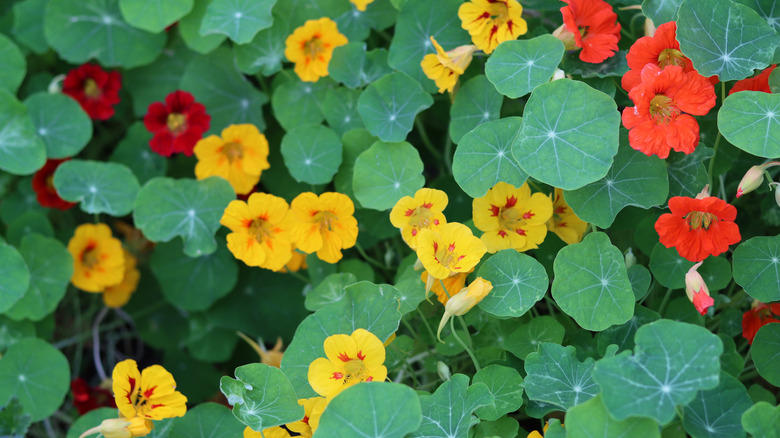
If you're an avid bird watcher, you may have used these stunning red flowers to attract hummingbirds. However, nasturtium (Tropaeolum) is another popular choice for a mulch alternative. So long as they're given ample sunlight each day, nasturtium does well as a ground cover. As a result, you can enjoy benefits like erosion prevention, moisture retention, and soil regulation while also appreciating the various pollinators this cheery flower attracts. Nasturtiums come in various colors depending on their cultivar, helping replicate the appeal of colorful mulch. Although typically seen as an annual, they're perennials in hardiness zones 9 through 11.
Creeping juniper
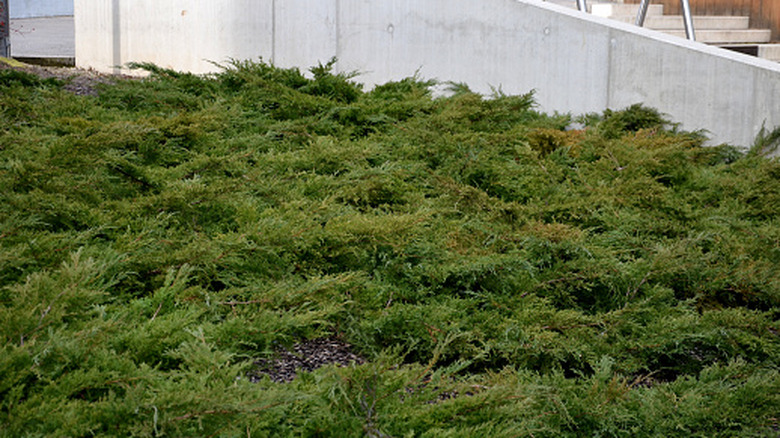
Creeping juniper (Juniperus horizontalis) is often used as a mulch alternative in those less hospitable spots in your yard and garden, whether that's areas with dry soil or along slopes. This low-growing and evergreen shrub is perfect for reaping benefits year-round, although it doesn't sport the same eye-catching flowers that those annual living mulch alternatives do, such as comfrey and buckwheat. Creeping juniper can grow up to 10 feet wide, allowing it to provide coverage over a large portion of your yard. For the best results, try growing in full sun in zones 3 to 9.
Sweet woodruff
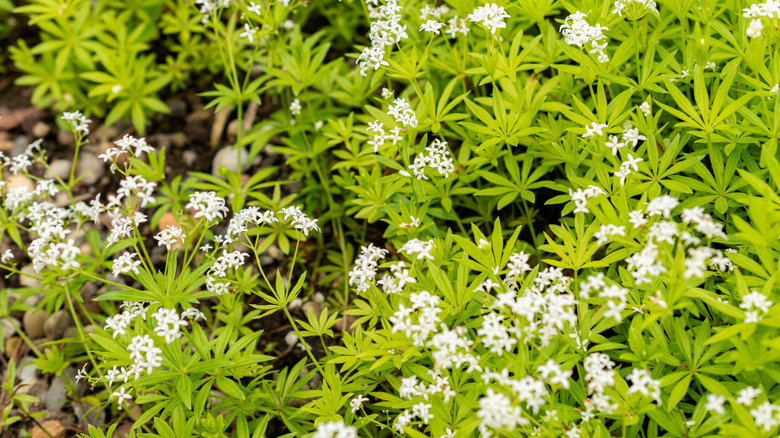
Sweet woodruff (Galium odoratum) is a popular ground cover the pulls double-duty as living mulch. Hardy in zones 4 to 8, adding this ground cover provides the benefits of other perennial plants, such as soil protection and regulation. Sweet woodruff is also as visually appealing as it is functional thanks to its flowers. Its small but showy white flowers add a touch of delicate color to your yard. They are also fragrant — so much so that it has also earned the name sweet scented bed straw. As a result, it engages all your senses while helping keep your garden healthy.
Plantain-leaved pussytoes
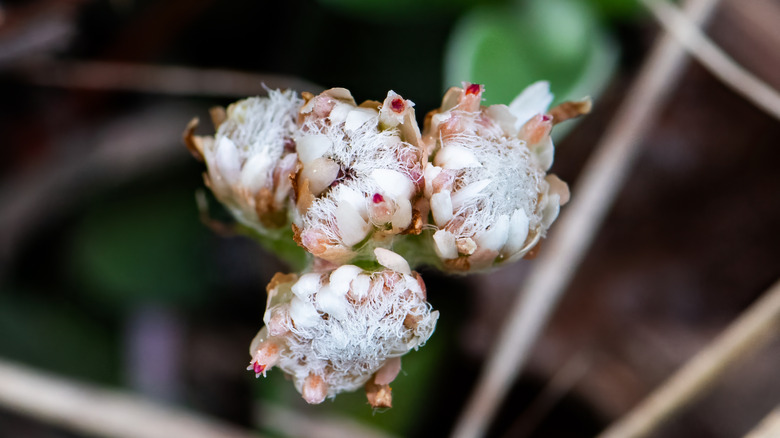
Also known as mouse ear, plantain-leaved pussytoes (Antennaria plantaginifolia) are a perennial ground cover hardy in zones 3 through 8. Similar to sweet woodruff, it blends the benefits of living mulch with stunning flowers. At first glance, these flowers may resemble the paws of a kitten, which is where the name pussytoes originates. Pussytoes is an overall durable plant that's capable of withstanding both dry, poor soil and drought. As a result, it helps restore life to the areas of your yard that other plants may struggle to thrive in. Pussytoes also happen to be popular among wildlife.
Creeping thyme
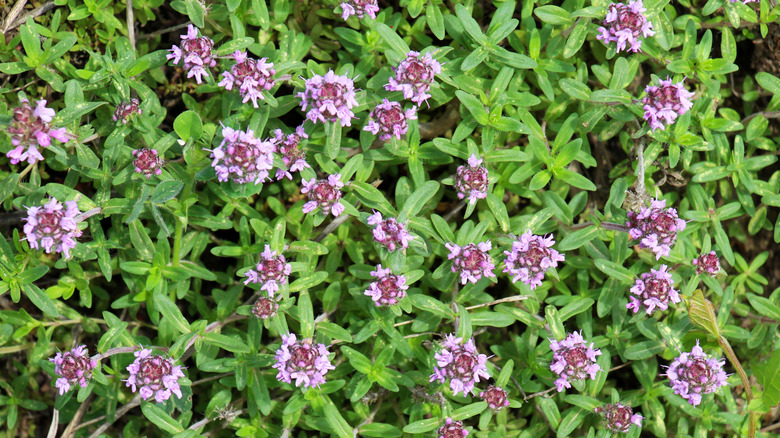
Creeping thyme (Thymus serpyllum) is a classic choice for ground cover that does well when added to pathways and borders or even around sitting areas throughout your yard. As a result, if you want the benefits that come along with mulching these spots but want a living plant alternative, creeping thyme offers the best of both worlds. It produces small bell-shaped flowers that attract bees and butterflies, and, thanks to the various cultivars available, you can enjoy a range of colors. Creeping thyme is an evergreen perennial that's winter hardy in zones 4 through 9, thus offering year-round coverage.
Wild ginger
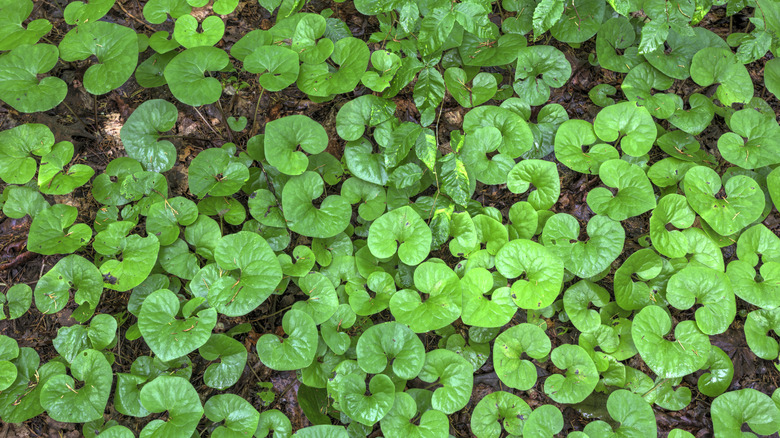
Because many of the various ground covers mentioned so far thrive in sunny conditions, it can feel like replacing the mulch in the shady parts of your yard just isn't possible. Fortunately, wild ginger (Asarum) ensures that it is. This genus includes over 100 species of evergreen perennials. These grow low to the ground and spread, making them a perfect choice for keeping soil healthy while suppressing the growth of any weeds. While the exact species you choose dictates day-to-day care, overall wild ginger is hardy in zones 4 through 8, growing best in partial to deep shade.
Borage
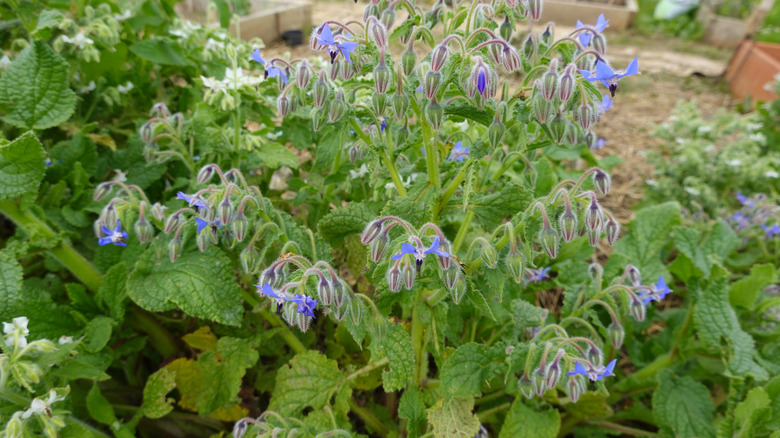
Borage (Borago officinalis) is closely related to comfrey. As a result, you can enjoy many of the same benefits of the latter by planting borage in your yard without the commitment of a perennial plant. However, it can self-seed, coming back year after year to add coverage (and eye-catching flowers) to the spots in your yard that need it most. Like comfrey, borage is often grown as a cut and drop plant. While alive, it offers weed suppression while bolstering the soil. Then, after being cut and allowed to decomposed, it returns vital accumulated nutrients for your other plants.