

Keep This Natural Fertilizer Away From Brassica Plants
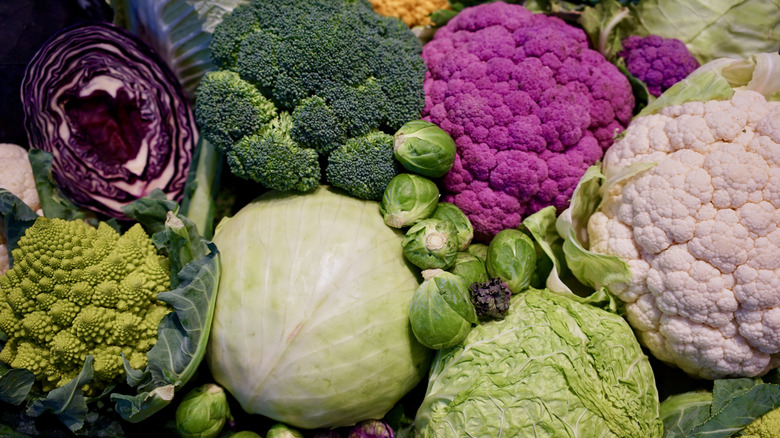
Many gardeners reach for a bag of mycorrhizae to give their backyard garden a boost, but using this additive on a row of brassica plants is often a waste of time, money, and product. This popular soil amendment consists of beneficial fungi that attach themselves to plant roots to help them draw in more water and nutrients. While this relationship is helpful for a large variety of garden plants like tomatoes, peppers, and onions, the Brassicaceae family is a rare exception that doesn't participate in this fungal exchange.
This family, often called cruciferous vegetables, is defined by flowers with four petals that form the shape of a cross and seed pods known as siliques. Because they can suppress the fungus in the soil, brassicas are plants you'll want to keep away from your peppers. This includes common garden staples like kale, radishes, cauliflower, cabbage, broccoli, turnips, horseradish, Brussels sprouts, and more. Adding these fungi to the soil will not get the results you might expect from other vegetables.
The reason these plants don't benefit from mycorrhizae is linked to their unique chemical defense system. Members of the brassica family produce glucosinolates, which are the compounds responsible for their signature bitter flavors. These chemicals also act as a natural deterrent in the soil, effectively preventing fungal spores from colonizing the root zone. When you apply these fungi to a patch of these veggies, the fungi cannot find a way to connect with the roots. Without a host plant to provide them with sugars, the fungi will remain inactive. This biological trait makes brassicas "non-mycorrhizal," meaning they have evolved to thrive entirely on their own without needing help from an underground fungal network.
How to fertilize brassica plants without using mycorrhizal fungi
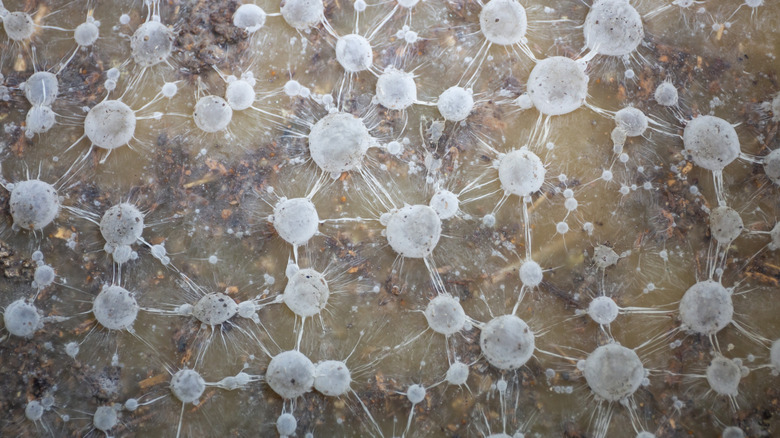
Investing in soil amendments should show a noticeable difference in how your garden performs, but adding mycorrhizae to brassica plants offers no real advantage. These plants have spent millions of years developing a solo growth strategy that doesn't rely on external fungi. While many other vegetables use fungi to help them track down phosphorus and moisture, brassicas have incredibly efficient root systems that handle these tasks on their own. They're naturally strong feeders that can pull every bit of nutrition they need from the dirt without any help from a microscopic middleman.
When these fungi are introduced to a bed intended only for cole crops, the additive just sits in the soil with nothing to do. This can lead to unexpected problems, such as encouraging the growth of nearby weeds that do have a relationship with the fungi. You might find yourself accidentally feeding the unwanted plants in your garden while your cabbage is completely unaffected. Adding organic matter like compost is a much more effective way to support brassicas, since it delivers the high levels of nitrogen and minerals these plants need to grow on their own. This is important because brassicas are some of the vegetables most sensitive to overfertilizing. Using a targeted approach to soil health allows you to save money while keeping the environment balanced for the vegetables you're growing.
Fungal additives can negatively impact brassica crop rotation
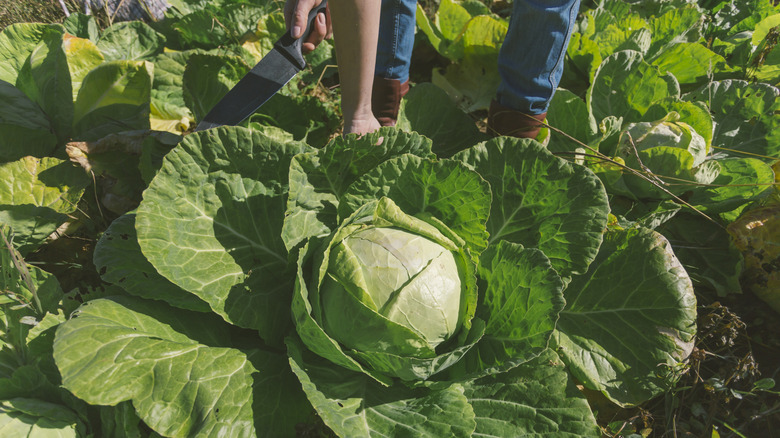
Adding mycorrhizal fungi to your garden beds can have lasting effects that may make it harder to plan where you want to put your brassicas next season. While the fungi cannot colonize the roots of plants like bok choy or kohlrabi, the spores can remain in the soil for a significant amount of time. If you add mycorrhizae heavily, you might inadvertently change the microbial balance of your vegetable garden. This shift can sometimes favor the growth of soil pathogens that compete with the beneficial microbes your brassicas actually need, such as the bacteria that break down nitrogen.
A soil environment that is filled with fungal additives might not be the best starting point for a successful brassica harvest. Because these plants naturally suppress fungi, forcing mycorrhizae into their root zone creates a bit of a standoff in the dirt. Instead of healthy soil, you end up with a high concentration of fungi that are struggling to survive and plants that are actively trying to push them away. To keep your garden beds productive, it's better to save the fungal treatments for fruit trees or flower beds. For your mustard greens and collards, sticking to simple nutrient-rich compost and manure provides the high-nitrogen environment they prefer without adding things the plants can't use. Just be aware that using raw or uncomposted waste is a mistake to avoid when using manure in your yard, since it can introduce unwanted pathogens into your garden bed.