

Plant This Sun-Loving Perennial For A More Colorful And Vibrant Flower

Although perennials may present the same work upfront — choosing the perfect plant for your needs, finding the right spot in your yard, keeping up with care — they do offer several additional benefits over their annual counterparts in the long-run. For one, since you won't need to pay to restock your garden come next year, you can have lower long-term costs. You'll also only need to establish them once, saving you time and energy for years to come. If a perennial sounds like the right choice for your garden, this sun-loving flower is a great place to start.
A cultivar of sundrop (Oenothera fruticosa), Oenothera fruticosa 'Fireworks' is a flower native to the United States. It blooms during the summer, with bright orange-red sepals giving way to colorful and vibrant yellow flowers. These long-lasting flowers may fade as the season ends, but the plant remains evergreen, offering year-round visual appeal even without blooms.
Part of growing a perennial means familiarizing yourself with the care that plant needs year-round. After all, if you want to enjoy your new prized plant year after year, it'll need to survive long enough to make it to the next year. Fortunately, sundrops are overall easy to grow, making them a great plant for beginner gardeners looking to add a splash of color to their summer garden.
How to grow sundrops
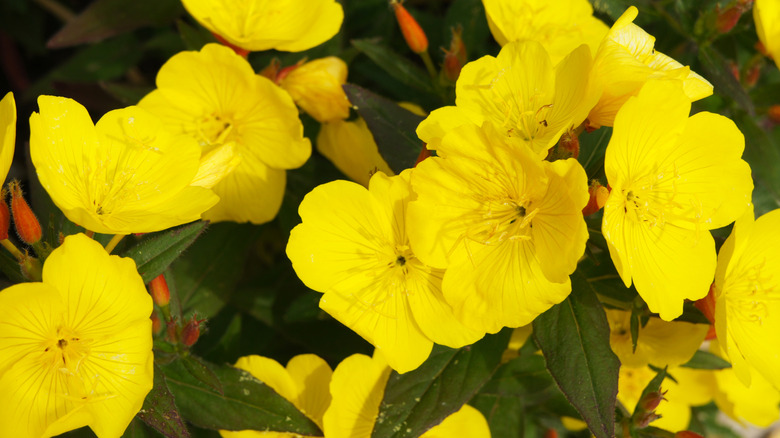
The first thing to learn when growing a perennial like Oenothera fruticosa 'Fireworks' is whether or not you're in the plant's hardiness zones. The USDA hardiness zones indicate where a plant can survive the winter. This means that if you're in the right hardiness zone, with the right care, you can enjoy Oenothera fruticosa 'Fireworks' year after year; otherwise, you may instead have to grow this vibrant flower as an annual. These sundrops are hardy in Zones 4 through 9, making them suitable for a wide range of climates.
Oenothera fruticosa 'Fireworks' is a sun-loving plant. Whereas other plants may falter under the summer heat, it can handle not only hot areas in your yard but also the dry soil that often comes as a consequence. For the best results, aim to grow this sundrop cultivator in full sun. While it can tolerate the occasional light shade, providing ample sunlight will help foster those colorful, long-lasting flowers that attract pollinators. Its tolerance for dry soil means it performs well in drought, and too much water can do more harm than good.
Looking ahead toward fall and winter, you may think that preparing your sundrop cultivar for colder weather may require an abundance of elbow grease on your part. However, these flowers naturally die back as temperatures drop in autumn. Plan for them to re-emerge and begin showing off their cheerful blooms once more come spring.