

Sprinkle Sunflower Seeds To Attract These 13 Birds
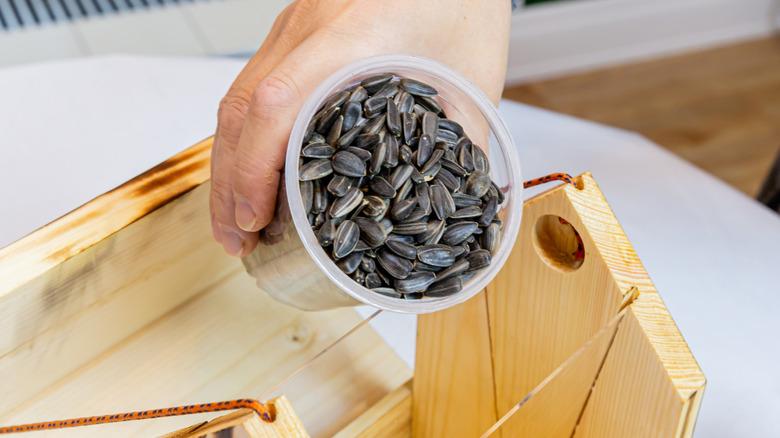
When it comes to attracting colorful, lively birds to your yard, the one ingredient they all seem to love is sunflower seeds. Specifically, black oil sunflower seeds are one of the most popular types of bird feed you can buy. They will bring a diverse group of birds to your yard. Not only is this ingredient rich in nutrients like oil, fat, and protein, but it's also easy for many birds to crack open thanks to its thin shell. Some of your favorite backyard visitors, like cardinals, mourning doves, and woodpeckers, will flock to your bird feeder if you provide them with this tasty and nutritious snack. If you already have sunflowers growing in your yard, here's the best way to harvest seeds from your sunflower plant.
There are a few ways you can serve these seeds to your backyard birds. Some of the most popular options include hopper feeders, platform feeders, and platform trays; the latter is best for containing shell mess. Note that you should regularly remove any remaining husks or moldy seeds to reduce the risk of bacterial buildup, which can harm the birds. You can safely use soap to clean your bird feeder — something like Dawn dish soap is ideal.
You can also sprinkle the sunflower seeds directly onto your lawn, a technique called ground feeding. If you want to avoid the mess of black oil sunflower seed shells on your property, opt for hulled seeds or sunflower chips, which are small sunflower seed kernels broken into smaller pieces.
Blackbirds
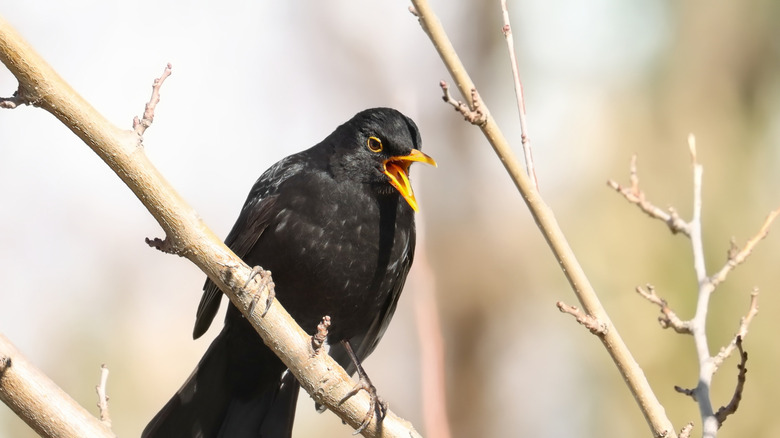
Blackbird is a common moniker that encompasses about 10 species of birds in the U.S., such as the red-winged blackbird and Brewer's blackbird. While blackbirds typically feed on worms, insects, and fruit, they also snack on seeds and grains like corn, rice, and black oil sunflower seeds. When trying to attract blackbirds to your yard, use low-lying feeders, as blackbirds tend to forage on the ground. Blackbirds typically turn to plant-based foods during the fall and winter seasons.
Goldfinches
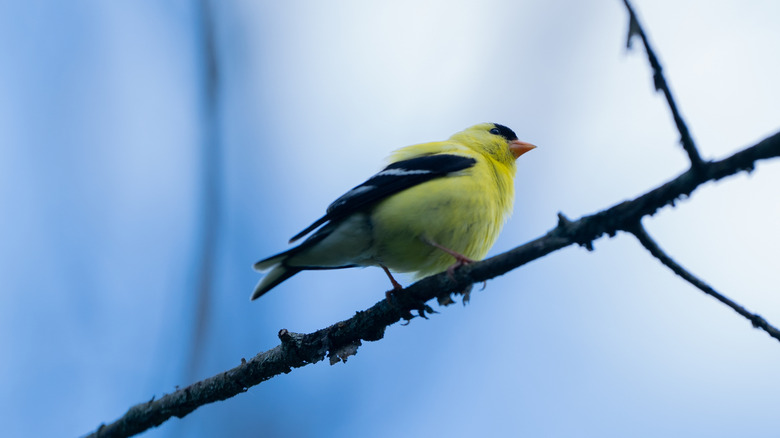
Who doesn't want to attract vibrant goldfinches to their garden? These birds, specifically American goldfinches, love to snack on sunflower seeds and will flock to your yard if provided with these tasty treats. Goldfinches will eat seeds from your feeders, usually in pairs or groups, especially if it's during breeding season. Store your seeds in a regular feeder, spread them out on a platform feeder, or sprinkle them on the ground and watch the goldfinches come for a snack.
Robins
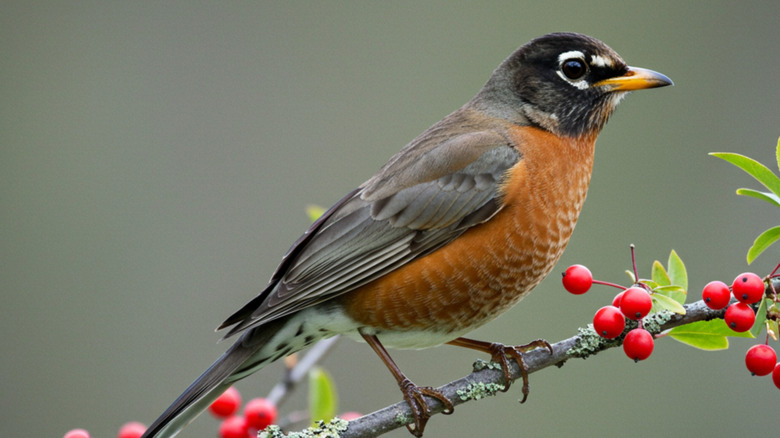
You might want to start attracting robins to your garden for more than just aesthetics; these birds serve as pest control for your yard, snacking on pests like spiders and snails. They also love to eat sunflower hearts, which are the shelled kernels of sunflower seeds. Want to know the bird feeding trick that will attract more robins to your yard? Make sure to sprinkle the seeds directly on the ground, as that's their preferred way to eat and how they consume food in the wild. They aren't likely to pay a visit to a hanging feeder.
Red-bellied woodpecker
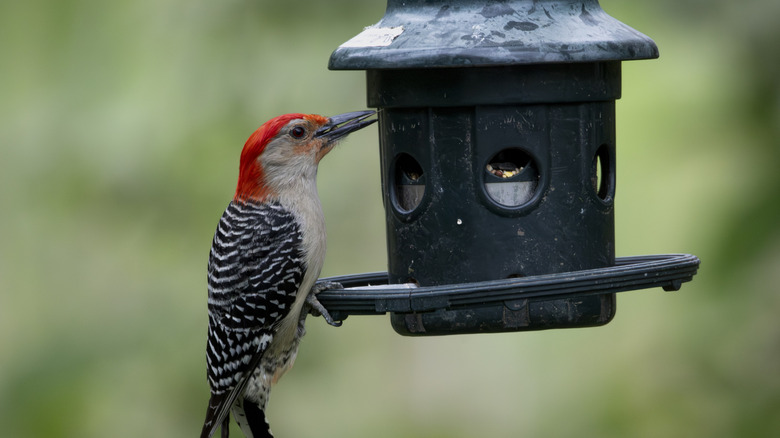
Red-bellied woodpeckers are tiny, red-capped birds with an appetite for sunflower seeds, specifically the black oil kind. When attempting to attract these birds to your yard, make sure to use a platform tray or a hopper feeder. Despite the fact that their beaks aren't quite strong enough to crack through sunflower seed husks, they still make it work by bringing the seeds to a tree and opening them by jamming them into a crevice. These birds will also happily eat hulled sunflower seeds, as these take way less energy to eat.
Mourning doves
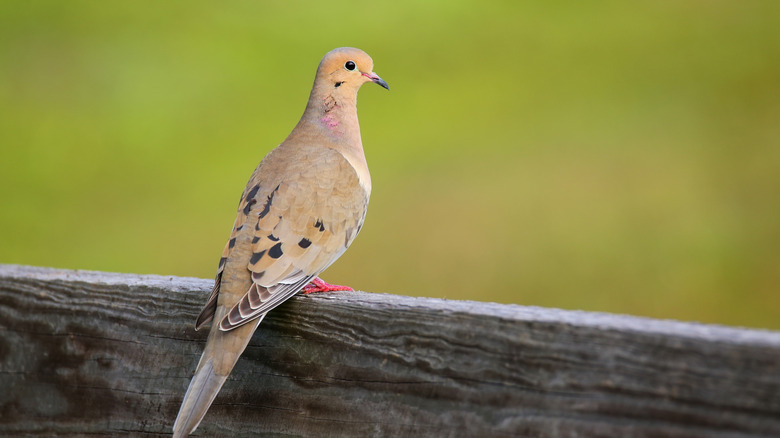
We can't think of a more calming sight or sound than the mourning dove. This popular species is also drawn to snacks like sunflower seeds and sunflower chips. Some doves even swallow the seeds whole and fly back to a secluded location to safely digest. They tend to eat from tray feeders or directly from the ground, so avoid using a hanging feeder if you're trying to attract mourning doves. These birds also tend to feed at dusk and early in the morning, so keep that in mind when refreshing your feeders.
House sparrows
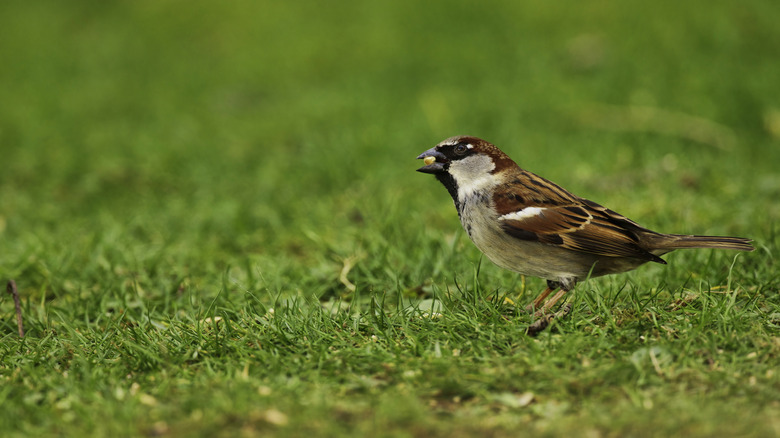
If you spot a noisy, plump, brown-patterned bird in your yard, there's a good chance you have a visiting house sparrow. These social creatures bring a lot of action to your property, and one way to keep them around is to provide them with plenty of their favorite snacks: sunflower seeds. Thanks to their thick bills, house sparrows can easily crack open sunflower seed shells. They prefer to ground feed, so sprinkle the seeds onto your lawn or a feeding tray.
Northern cardinals
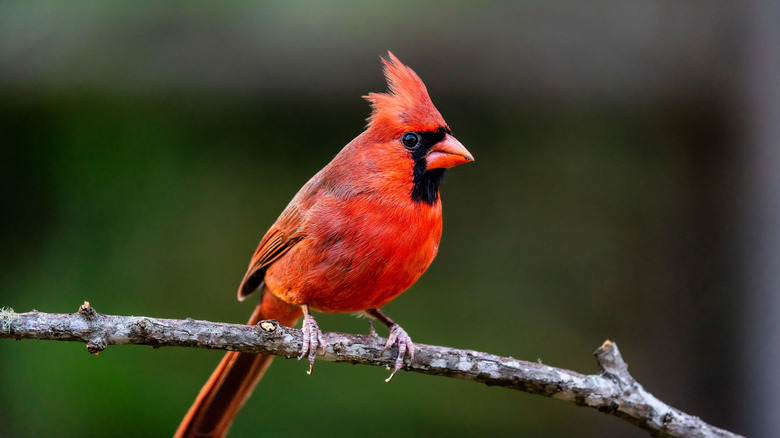
Bring the vibrant colored cardinal to your backyard by supplying an ample amount of sunflower seeds at your bird feeder station. While cardinals have a pretty varied diet, including insects and berries, they love black sunflower seeds, which are easy for them to break open with their beaks. If you want to bring cardinals to your yard, avoid hanging feeders and opt for platform or tray feeders instead, which will better their weight. These bright-red creatures will snack from bird feeders, as long as there is a sturdy and large enough perch for them to stand on.
House finches
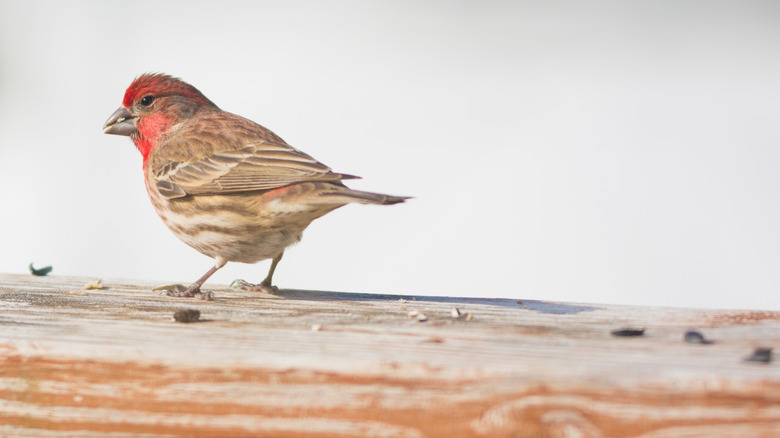
If you fill your backyard feeders with black oil sunflower seeds or their no-mess shelled versions, you might just attract a few house finches to your yard. If you want to bring a larger population of house finches to your property, set out the seeds on all types of feeders, including tube, hopper, and platform feeders. Don't forget to keep water nearby as well to pique the birds' interest even more.
White breasted nuthatch
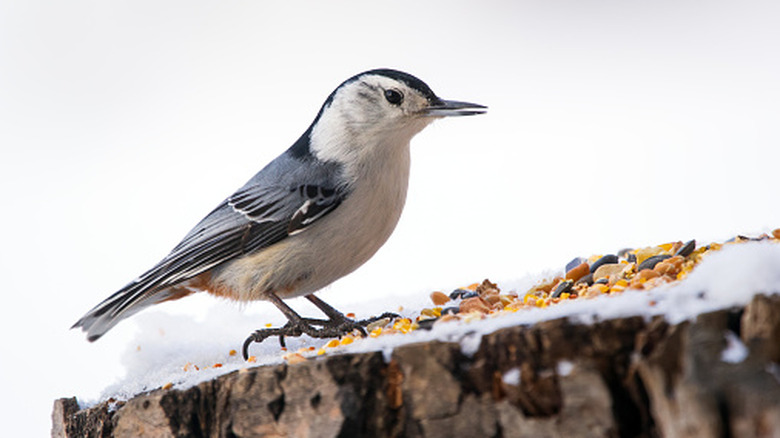
If you're wondering how the white-breasted nuthatch got its name, it's because these tiny, agile birds have the remarkable ability to break open large nuts and seeds by wedging them into tree bark and hammering them open. You can imagine that these birds love the challenge of a sunflower seed; they prefer to snack from hopper feeders, platform feeders, or mesh cling feeders. While these acrobatic and energetic feathered friends are capable of cracking open a sunflower seed, they enjoy hulled seeds, too.
Tufted titmouse
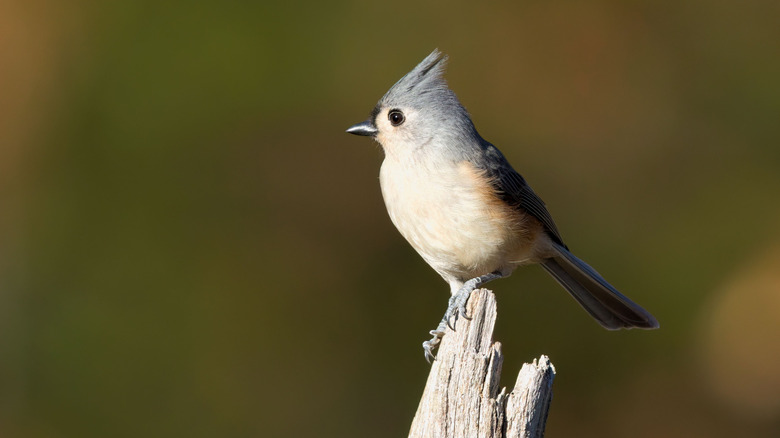
If you have a backyard feeder or two on your property, you've probably seen a tufted titmouse snacking on the seeds inside. These tiny gray birds have round bills that are perfect for carrying and cracking shells. While a tufted titmouse will feed on peanuts and other seeds, it prefers sunflower seeds, typically shelling them before taking them away to its hoard. They are a caching species, meaning they don't eat the seeds they collect right away. These birds will seek out high-fat foods like sunflower seeds, especially in winter, so keep your feeders out all year long.
Rose breasted grosbeak
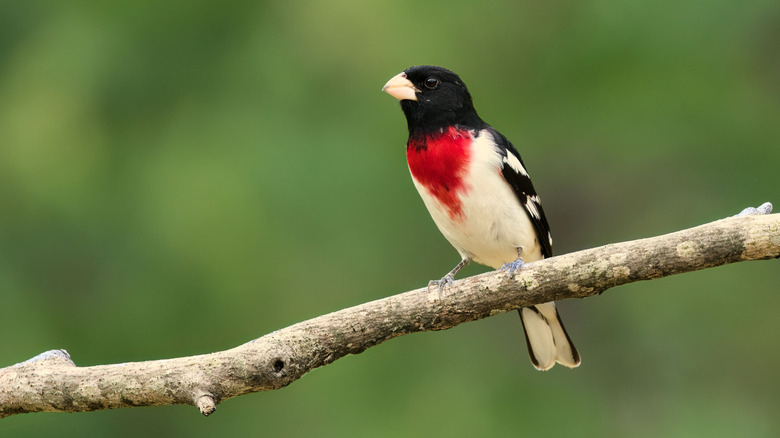
Rose-breasted grosbeaks, like most birds that migrate, are in need of high-fat snacks to keep them energized. Thus, these birds are big fans of sunflower seeds, specifically the black oil seeds. With their sturdy triangular bills, these birds feast on seeds at backyard feeders, like platform or tube feeders. Their bills allow them to crack open the shells with ease. You can ground feed them as well, but it's not as common for rose-breasted grosbeaks.
Pine siskins
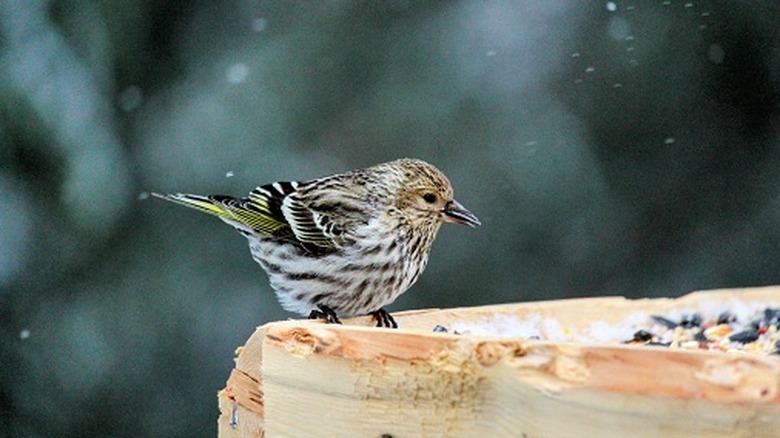
If you want to bring songbirds to your garden, the pine siskins are excellent visitors. Pine siskins, with their tiny forked tails and pointed wings, have a taste for sunflower seeds and will rush to your backyard feeders to nab them. These birds tend to gather food in flocks, so you may want to install long tube feeders to accommodate a group. It's also recommended to have more than one feeder available, as pine siskins can get aggressive. They respond well to ground feeding, too.
Black-capped chickadees
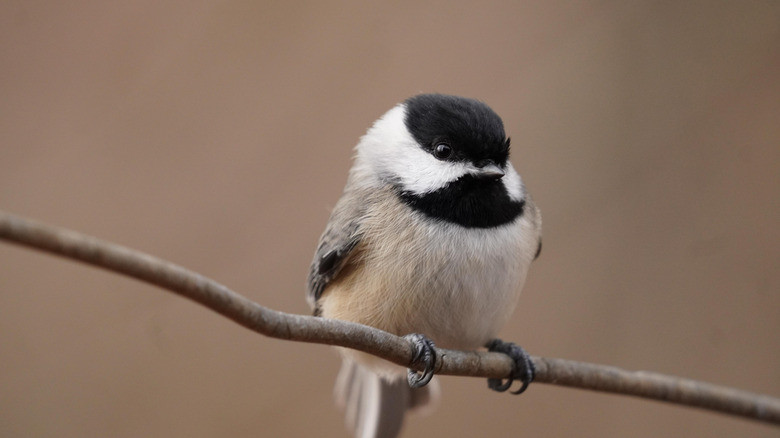
Last but not least, the adorable black-capped chickadees love the high-fat content of black oil sunflower seeds. They use a tactic called hold-and-hammer, where they hold the seeds down and strike them with their beaks. To attract black-capped chickadees to your yard, stock your backyard feeders with sunflower seeds and watch them arrive in droves. They can even be hand-fed if you have the patience to tame them. These birds will take as many as 50 seeds per day, especially during winter.