

8 Pests Marigolds Help Keep Out Of Your Yard
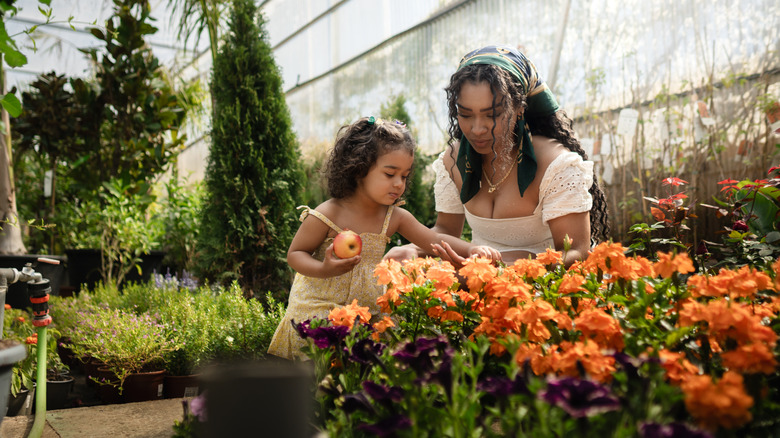
Marigolds (Tagetes spp) are some of the hardest-working flowers you can have in your garden. With their gold, orange, and yellow blooms, these are more than just pretty border plants. Known as natural garden helpers, these flowers give off a strong aroma that makes them less appealing to pesky insects that would wreak havoc on your plants if given the chance. So, when you stick marigolds near other plants, like tomatoes, which are magnets for all kinds of pests, they can offer a helping hand. While they won't solve all your pest problems, these flowers can bring a bit of a reprieve.
Marigolds are part of the daisy family and come in several varieties, making them beneficial both above and below the soil. For example, African marigolds (Tagetes erecta) are tall and release fragrances through their leaves and flowers, which could help repel common pests like aphids, whiteflies, and even mosquitoes from your garden. Below the soil, marigolds can protect plant roots. French marigolds (Tagetes patula) are shorter and release compounds through their roots that help with root-knot nematodes.
Another reason these showy flowers are so popular is that they're super easy to grow. Hardiest in USDA zones 2 through 11, marigolds thrive in full sun, tolerate heat well, and bloom throughout the warm summer months. By planting them intentionally around the yard, you can create a more colorful space while helping keep some of the most common pests away.
Mosquitoes
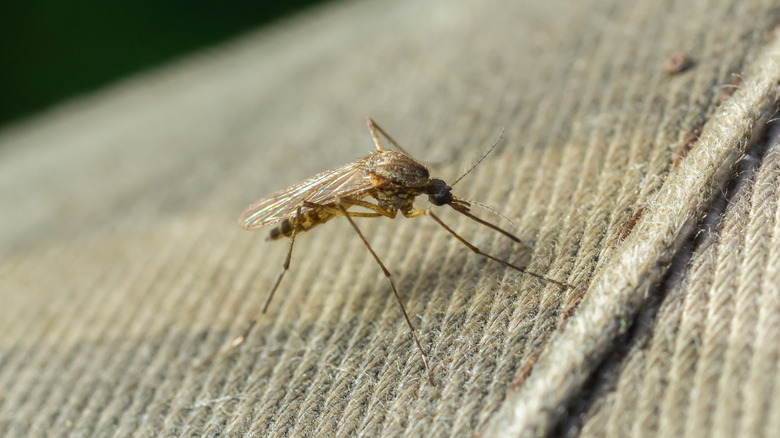
Without even trying, mosquitoes are one of the most annoying pests that can make hanging outside super unpleasant, especially during the warmer months. To help keep them at bay, you can plant African marigolds around your patio, walkway, and garden. While their strong scent won't completely eliminate mosquitoes, these pretty blooms can help make your yard less appealing to the pesky creatures. African marigolds can even bring butterflies and hummingbirds to your yard.
Root-knot nematodes
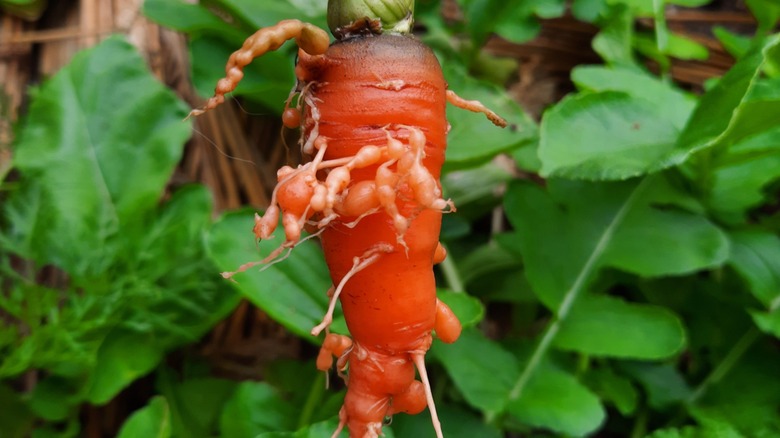
Root-knot nematodes are microscopic pests that invade your garden by attacking the roots of your plants. These tiny roundworms ruin vegetables and flowers by creating knot-like galls that can result in your plants not absorbing the nutrients they need to thrive. Planting French marigold is a natural way to reduce these pests. Hardiest in zones 2 to 11, French marigolds are great companion plants that not only bring oodles of color, but also help prevent nematodes from destroying your hard work.
Aphids
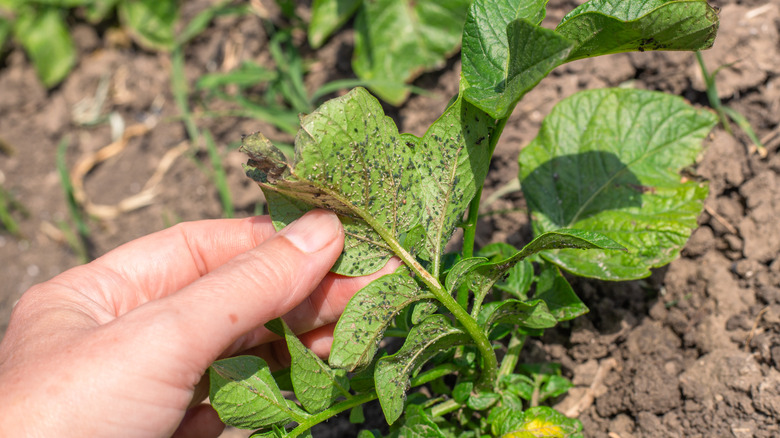
An aphid is a small, pear-shaped insect that doesn't cause a problem by itself. But when a bunch of them huddle together in clusters, that's a full-blown infestation that can weaken your plants by sucking out their sap. Planting French marigolds in your yard can help discourage aphids from moving in and making your garden their home. Marigolds are one of the plants that attract ladybugs, which can also help with an aphid infestation.
Whiteflies
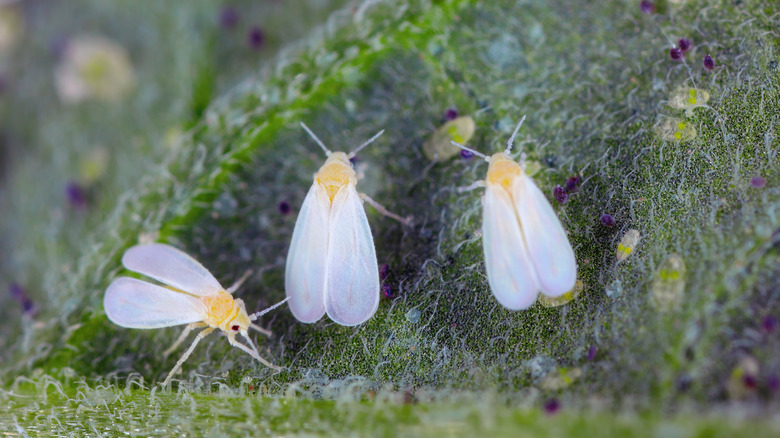
There are some pests you can't help but notice. Enter whiteflies. These tiny, sap-sucking insects create a white cloud in the air after you've brushed past a plant they've decided to infest. Over time, leaves begin to wilt or become coated in sticky honeydew that encourages mold to grow. When you plant African or French marigolds nearby, you can help make the area less appealing to whiteflies thanks to the strong scent of the flowers.
Western flower thrips
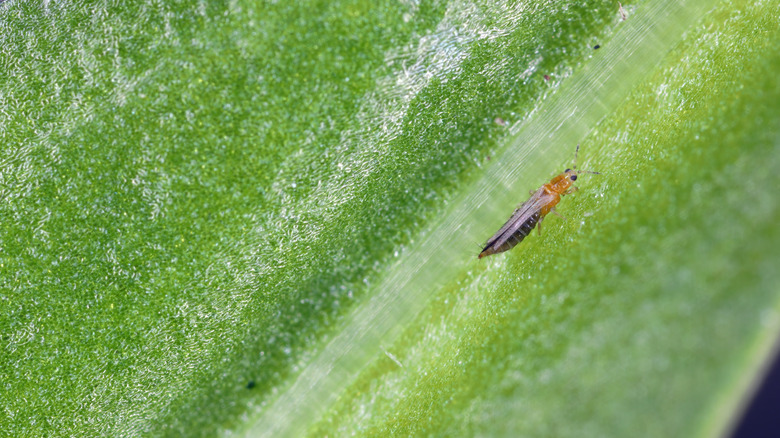
Western flower thrips are slithery insects that can cause damage in your garden despite their petite size. They scrape the surfaces of your plants and suck out the contents, leaving your plant to end up with streaks, discoloration, and distorted growth. Thrips are drawn to blooming plants in yellow hues, so planting marigold trap blooms in this color can help keep their populations under control, luring them away from your other plants and crops.
Ants
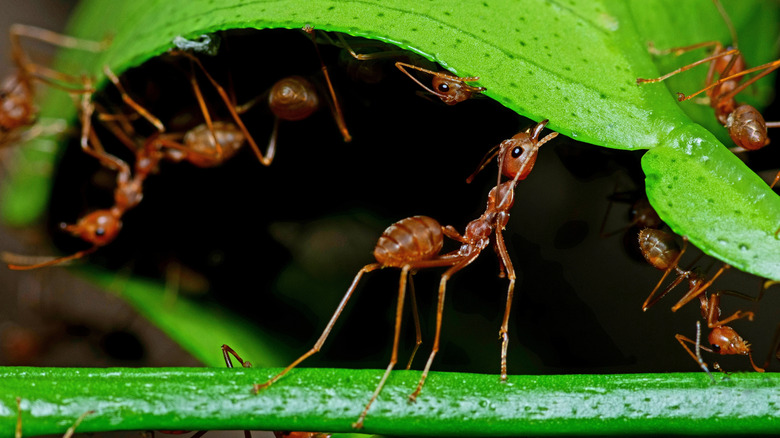
A trail of ants marching across your garden is sometimes a sign of a bigger issue. But planting marigolds around your garden beds can help put an end to their ongoing nuisance activity. The magic is in the strong scent, which makes the area less appealing to ants, encouraging them to move out of your garden and take their traffic elsewhere. If they're stubborn, there are plenty of other ways to remove ants without killing your plants.
Tomato hornworms
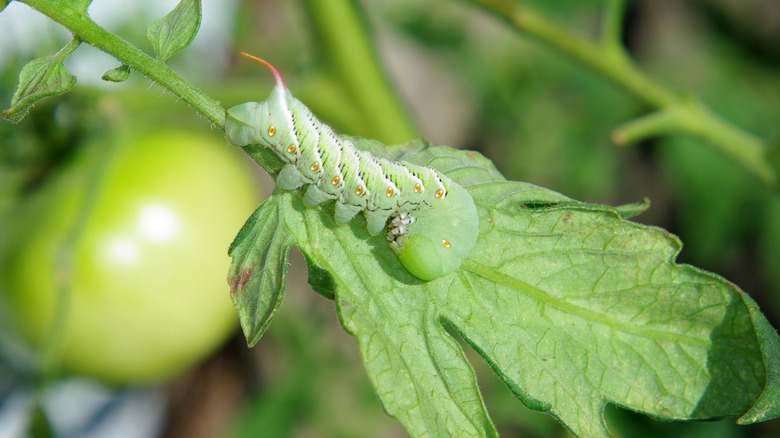
Despite their name, tomato hornworms destroy more than just tomatoes. They also target eggplants and pepper plants you've worked hard to grow. These bulky green caterpillars blend into your plants foliage and strip the leaves within days, leaving the stems bare and the fruit exposed. Planting marigolds as companion plants in your garden can help reduce their unwanted presence and help your crops grow.
Squash bugs
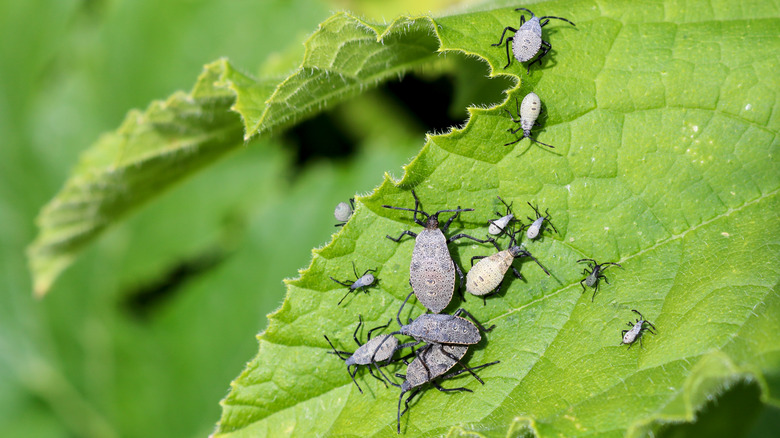
Squash bugs cause crops, like zucchini, melons, and pumpkins, to wilt, turn yellow, and eventually die. They're an icky, flat, brownish pest that hides along stems and underneath leaves, virtually going unnoticed as they eat their way through your garden. However, marigolds can come to the rescue, making your garden a little less appealing to them. If squash bugs get out of hand, it becomes much harder to control them without resorting to pesticides.