

4 Reasons Why Your Bird Feeder Is Moldy (& How To Prevent It)
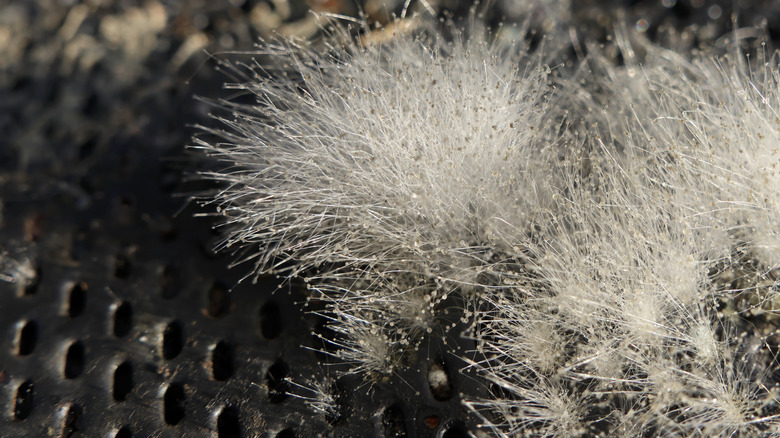
Gardens feel incomplete without birds. And this is exactly why people place bird feeders in their gardens and backyards to attract these winged creatures to their homes. However, putting up a feeder is only half the job. You also need to make sure you keep it free of mold. And mold is where things get tricky. It can appear on bird feeders for a number of reasons — from infrequent cleanings to improperly stored seeds and unsuitable feeder materials to the buildup of bird droppings, the list just goes on. So, what is the solution? Well, get rid of the problem that is causing the mold. This might involve cleaning bird feeders more frequently and properly, as well as removing old, decomposing seeds and preventing the bird droppings from piling up.
And keeping bird feeders free of mold is something you should not take lightly. Mold in bird feeders cannot only make the birds sick, but it can also lead to their death. Plus, moldy bird feeders look quite unsightly anyway. Also, keep in mind that you need to place your bird feeder in a good spot, too, to prevent mold. For instance, a sunny place with lots of airflow. This will prevent moisture buildup, which will help reduce mold growth. Also, if you notice a moldy bird feeder, remove it until it is properly cleaned and ready to be used again. And lastly, keep an eye out. Mold often appears out of nowhere and, if not caught on time, can be difficult to eliminate.
Feeder materials and old, stored seeds can cause mold
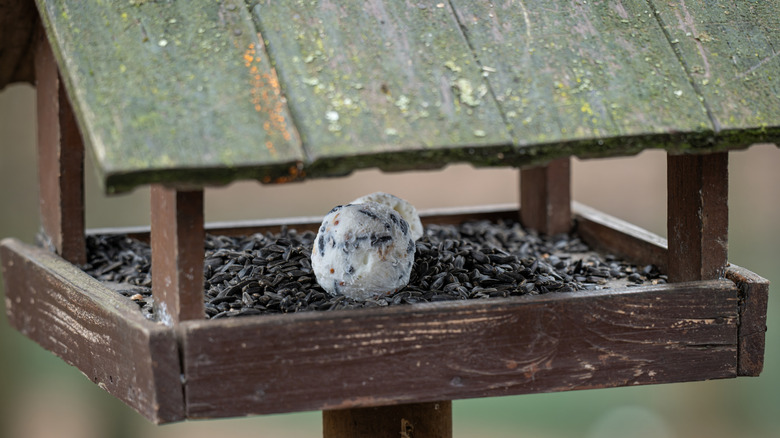
Sometimes, the problem is not other things but the feeder itself. Take, for instance, bird feeders made of wood. A porous material like wood absorbs moisture. Over time, this retained moisture can lead to fungal growth by providing ideal growing conditions for the fungus to grow. That is because wooden bird feeders can often have cracks and crevices, and once the mold takes hold inside these, it can be very difficult to eradicate. Therefore, experts often recommend using bird feeder materials that are strongest against mold. These include plastic, metal, and glass. However, if you insist on using wooden bird feeders, make sure to treat them for longer with cleaning solutions or disinfectant. Just keep in mind, though, that these longer wash or decontamination cycles might cause the paint to peel, ruining your wooden bird feeder's entire look.
However, once you are over this material problem, the next thing is to make sure you don't introduce the mold yourself. And this often happens through compromised seed supplies. Mostly, it starts when you store the seed improperly, as their hulls can trap moisture, causing them to decompose and become a breeding ground for mold. On top of that, these old, decomposing, and moldy seeds can even ruin healthy seeds in the bird feeder as well. Therefore, try to store bird seeds properly. Ideally, keep them in airtight, waterproof, metal or heavy-duty plastic containers and store them in a cool and dry place. Plus, if you ever find bad-smelling and decaying seeds in your bird feeder, toss them out and replace them with fresh seeds.
Bird droppings and infrequent cleaning cause mold, too
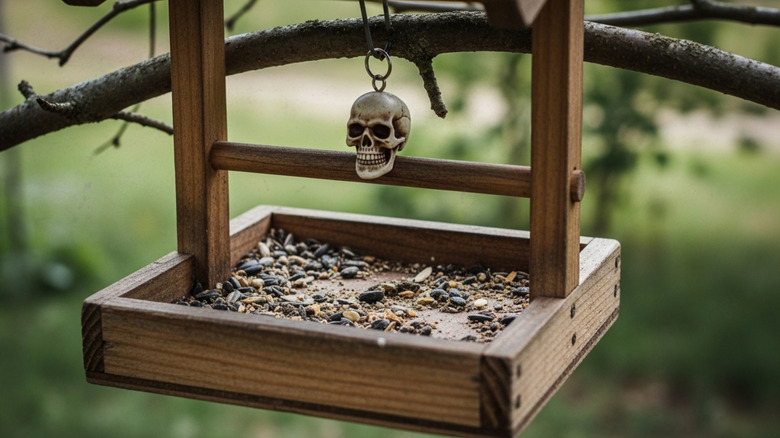
A fresh supply of clean, healthy seeds sounds great, but it can also be a wolf in sheep's clothing when it comes to bird feeder care. After all, it is going to attract plenty of birds. And, with more birds comes more droppings, which can build up readily available organic material for mold growth in the bird feeder. Plus, the droppings themselves could also be contaminated with mold spores. The fix? Choose feeders with perches designed to discourage birds from sitting directly over the seed. Plus, install more bird feeders if you can. If you don't want to purchase new bird feeders, you can also turn many kitchen items into DIY bird feeders. It will reduce overcrowding and massive bird-dropping piles in one place, which can exacerbate the mold problem in and around a bird feeder.
Just keep in mind that, no matter what you do, if you are not cleaning your bird feeders enough, mold will find a way in. In fact, not cleaning regularly is one of those bird feeder cleaning mistakes you need to avoid at all costs. This is especially important during rainy days of summer, as mold thrives in warm and humid conditions. Delaying the cleaning also allows the moldy and decomposing seed, droppings, and other contaminants to accumulate in the bird feeder. And it can quickly turn the feeder into a disease risk rather than a food source for the birds. As for how often you should clean your bird feeder, do it every one or two weeks. Just don't use bleach to clean wood feeders, as the smell can disturb and repel the birds.