

11 Tips That Help The Tulips In Your Garden Grow Strong & Tall
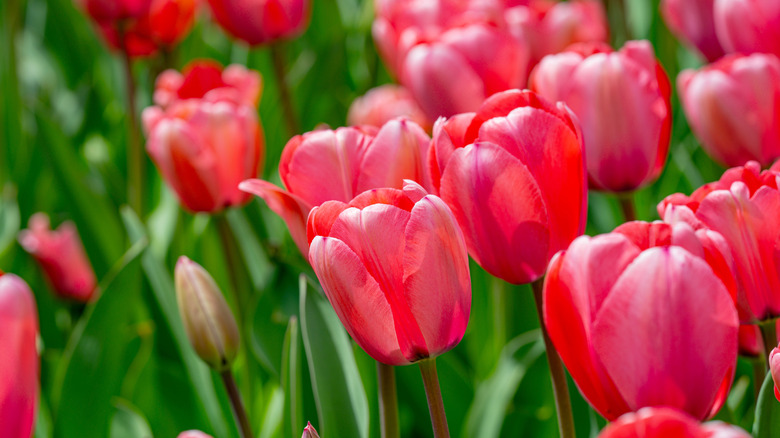
Tulips (Tulipa spp.) in bloom are one of the highlights of a springtime garden. Since the "tulip mania" of seventeenth-century Holland, when a few prized bulbs could cost you a whole year's wages, tulips have been bred in hundreds of shades, shapes, sizes, and patterns. While some of these flowers grow no more than 4 inches tall, some grow to nearly 10 times that height. But height needs to be balanced with sturdiness. It's no good if a three-foot-tall tulip flops over the minute it opens. Growing tulips, both strong and tall, takes some planning, attention, and effort, but the payoff is a spring garden like no other.
The key to growing strong, tall tulips is knowing how they work. A tulip bulb is an energy storage device — the plant's rechargeable battery. Plant the bulb in the fall and, come spring, the plant draws energy from its stored reserves to grow its stems, leaves, and flowers. The plant then recharges its battery over the course of the growing season by drawing energy from soil nutrients and photosynthesizing energy from the sun. If you care for your tulips with that knowledge in mind, you're more likely to get the most out of your tulip bulbs.
Plant tall tulips
Some tulip species will never grow tall, no matter how hard you try. "Species tulips" are non-hybrid tulips that grow as they did in the wild before tulip breeders produced tall plants with large flowers. They only grow about four inches from the ground. Among the tallest tulip hybrids are single early tulips, which grow 10- to 18-inch stems and bloom early in the season, Darwin hybrids, which grow up to 30 inches tall and bloom in mid-season, and single late tulips, which also can grow up to 30 inches tall, but bloom in the late season.
Know your zone
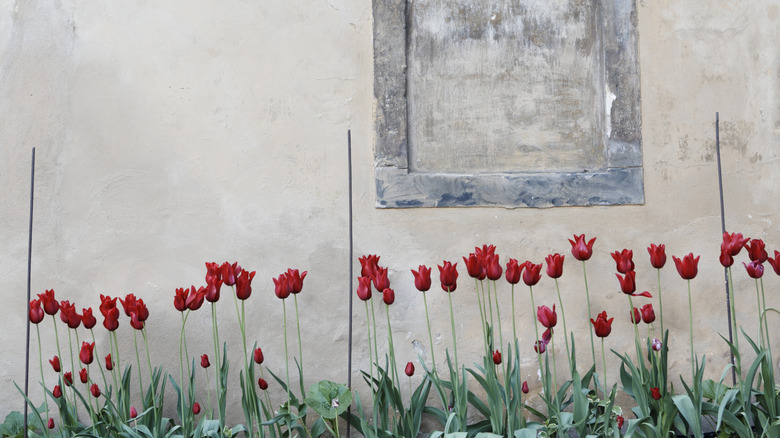
Plant tulips that do best in your climate. Know which USDA Hardiness Zone you live in before buying tulips, and select tulips appropriate for that zone. Most tulips do best in zones 3 to 8. If you live in the South, you might find tulips that will survive your warmer, more humid summers, but you may just have to resign yourself to treating tulips like annual flowers. If you live in a zone colder than that, you can plant your bulbs along a south-facing wall, where the soil tends to be warmer, and mulch them to prevent freezing.
Inspect your bulbs
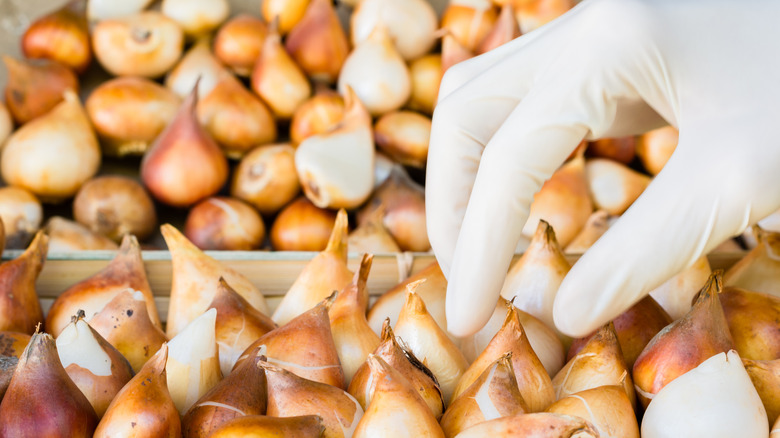
Choosing your bulbs carefully is one of the essentials you need to know before planting tulips. Inspect the bulbs before you approach the check-out. Give the bulbs a light squeeze to make sure they are firm and solid. They should feel dense and heavy, not light. Reject any packages with bulbs that have mold or blotchy spots. The bulbs should also have their protective papery tunic. If you're ordering tulips online, purchase them from a reputable source with a good track record of quality.
Let them chill
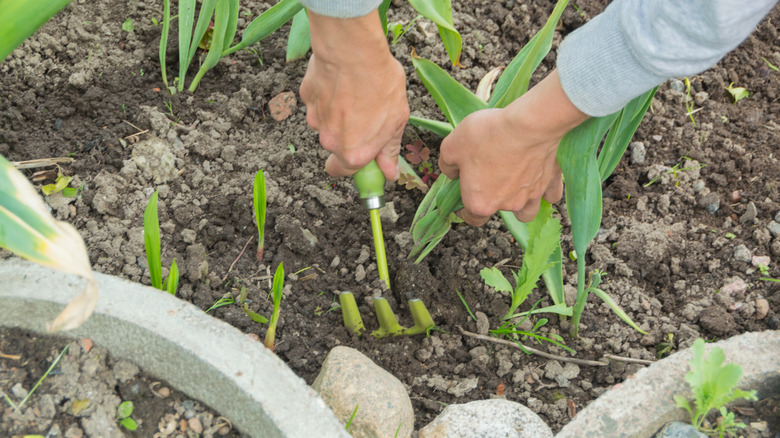
Tulips are native to central Eurasia, where winters are cold. They need a hibernation period of 10 to 12 weeks, with temperatures consistently below 55 degrees Fahrenheit, for their normal growth cycle. If you only experience mild winters, you can lift and store your tulip bulbs after the growing season, place them in a paper bag, and refrigerate them for six to eight weeks before replanting. Keep them away from fruits, such as apples, that produce ethylene, which can disrupt tulip development.
Give them ample sunlight
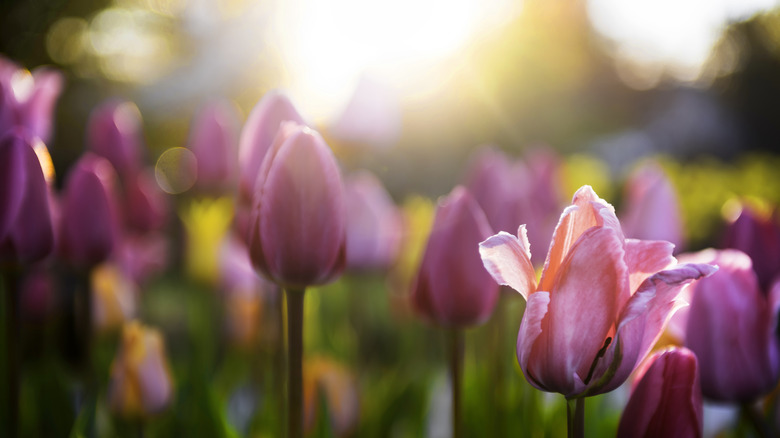
Tulips generally need six hours of sunlight per day to grow and thrive. While it may be tempting to plant a close cluster of tulips to produce the look of a bouquet, space your tulips 6 or so inches apart so that they don't shade each other out. If you live in the South, plant your tulips in an area of your garden where they can receive six hours of morning sun but can cool down in the shade in the afternoon.
Plant in rich soil
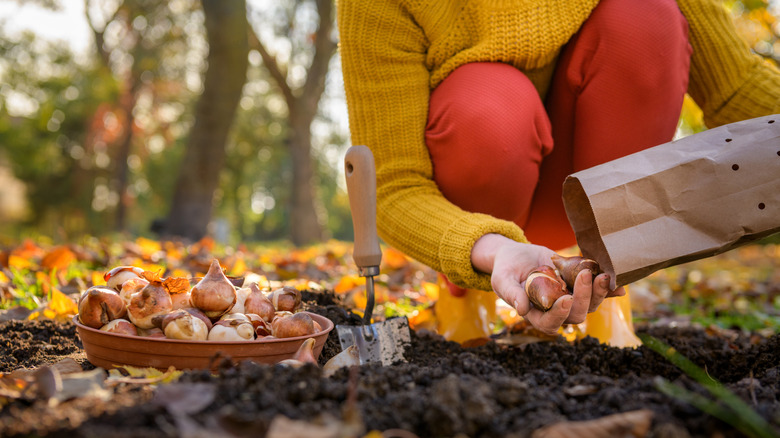
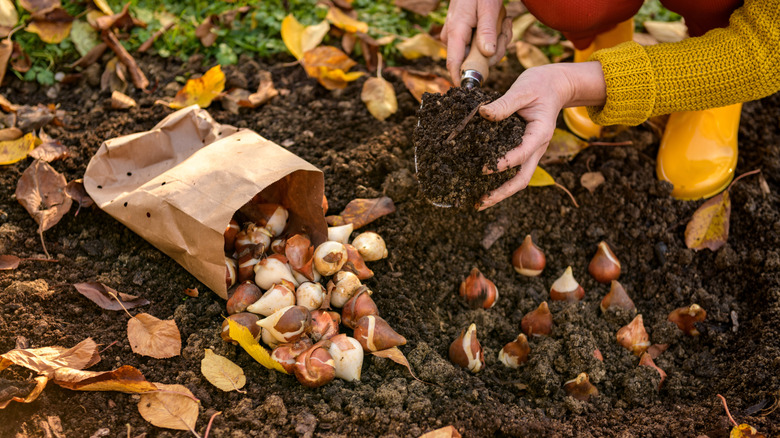
After sunlight, the other key need for tulips is rich soil. When planting your bulbs, add a healthy dose of compost into the hole. In top-dress the soil around your tulips and water it in to allow nutrients to reach the plant's roots. Since tulips die back to the ground and leave an empty spot in your garden throughout most of the summer, you can plant a later-blooming flower to take their place, but keep in mind that these flowers take nutrients from the soil. Regularly applying top-dressed compost will keep your tulips well-fed.
Deadhead the flowers
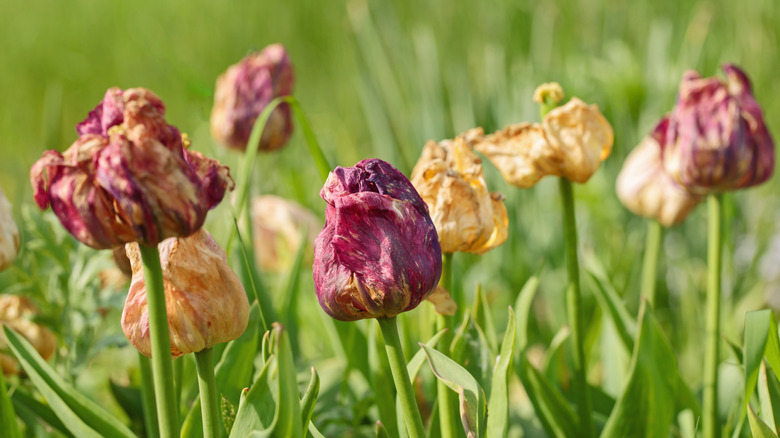
Once your tulips have withered and dropped their petals, cut back the stems to prevent the plants from continuing to send energy into the production of seeds. Most tulips are sterile, so letting the seeds fall in the hopes that new plants will grow is likely an exercise in futility. And even if the seeds are fertile, it takes less time for a bulb to produce "daughter bulbs" underground than to grow new plants from seeds. It's better to let the tulip's energy be stored in the bulbs themselves, resulting in stronger, taller plants the following year.
Leave the leaves on
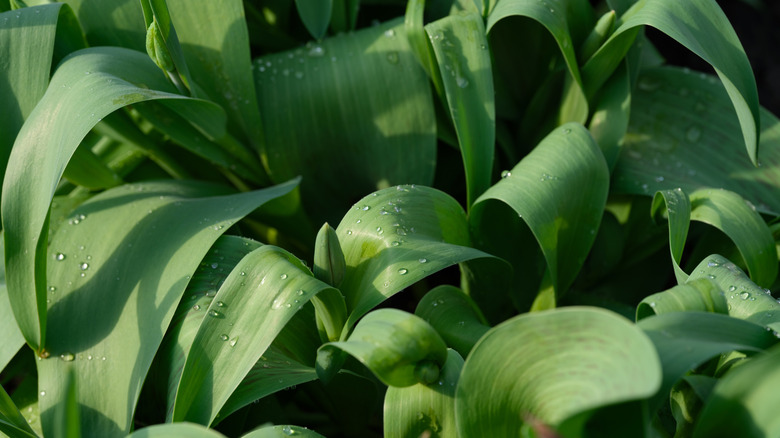
While it might be tempting to tidy up your tulip garden by cutting your tulips down to the ground once they've stopped blooming, let the leaves continue to photosynthesize until they have turned yellow and lost all signs of green chlorophyll. The sun's energy that tulips capture through photosynthesis is stored in their bulbs to support next year's growth.
Keep your bulbs dry

Just as you wouldn't store your onions in a bowl of water in your kitchen, don't let your tulip bulbs sit in soggy soil, where they will rot. Tulips need water like any other plant, but plant them in loose, well-draining soil and don't over-water them. If you have clay soil, which can trap water and prevent drainage, you can improve it by mixing in organic compost to increase drainage.
Plant them at the right depth
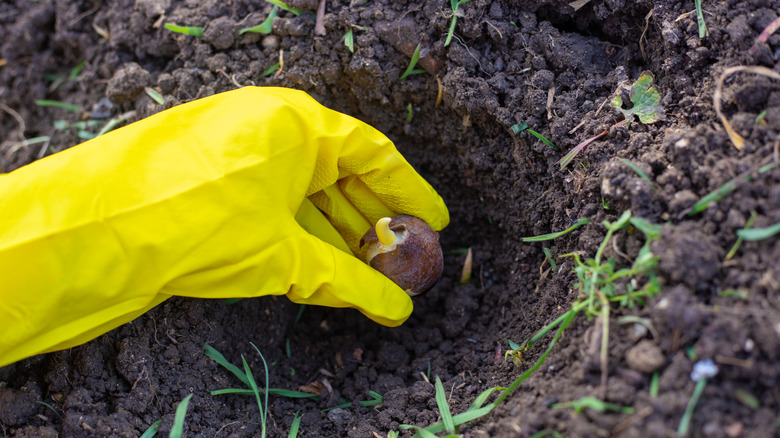
It's very important to follow the planting guidelines for each different tulip variety. Plant your tulips too deeply, and they will have to spend more energy reaching the surface, leaving less energy for growing tall and strong. Too shallow, and they can either freeze in winter or be exposed to too much heat in summer, each of which can weaken or kill the bulb. As a rule of thumb, tulips should be planted three to four times the diameter of the bulb, or 6 to 8 inches, depending on the variety.
Replace your bulbs
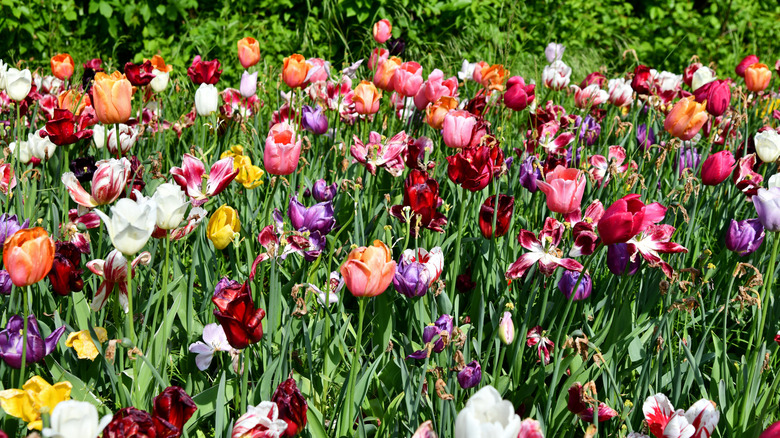
Generally speaking, tulips don't have long lifespans, especially hybrids, which are bred to produce a few years of loveliness before they exhaust their energy resources. Species tulips are often the longest-lived tulips, but they also have among the shortest stems, so if you want tall tulips, plan on replacing them every two to five years. Darwin Hybrids and Fosteriana are among the longest-lasting of tall tulips, but "perennial" does not mean forever.