

The Underrated Spring Perennial That'll Make Your Garden A Pollinator Paradise
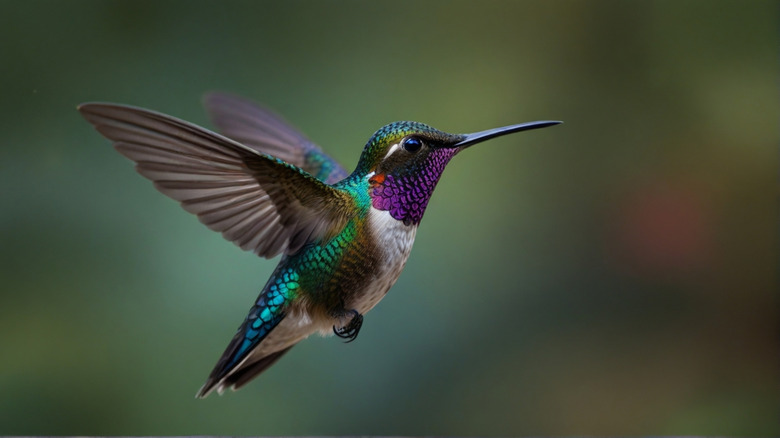
Do you know why so many backyard insects and birds feast on dandelions? It's because these bright flowers bloom early in the spring, offering a natural source of nectar to pollinators before most other flowers begin to show off their blooms. However, if you aren't thrilled with the idea of dandelions taking over your yard, one lesser-known perennial can provide a hospitable early spring environment for your favorite pollinators year after year.
If you've recently strolled your local nursery while waiting for warmer weather, you may have come across lungwort (Pulmonaria). These eye-catching perennials bloom with tubular flowers that range in color from pink to blue, and they attract pollinators like butterflies, bees, and even hummingbirds. Growing lungwort is easy, which makes it the perfect pollinator-friendly plant for beginner gardeners. Since lungwort blooms in early spring, getting these plants in the ground as early as possible gives you a jumpstart on creating a pollinator-friendly garden. Thankfully, lungworts typically hit the shelves early in the year, so you have ample time to start your garden as temperatures begin to warm.
How to grow lungwort in a pollinator garden
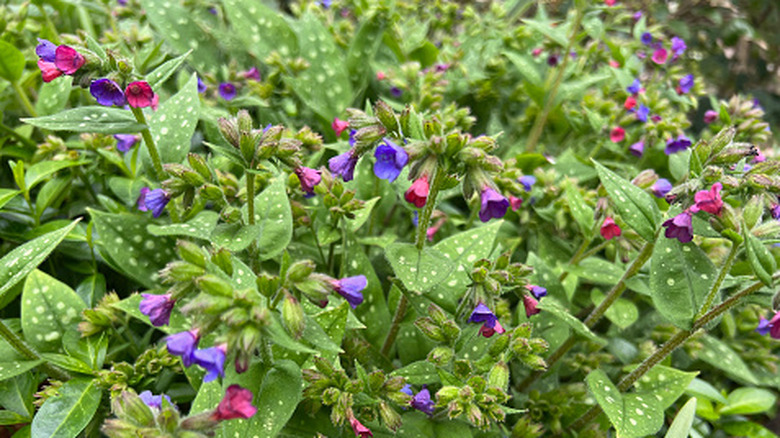
If you're growing lungworts with the intention of attracting pollinators, focus on encouraging as many blooms as possible. The more flowers your lungworts produce, the more nectar it has to offer to any visiting butterflies or hummingbirds. To maximize blooms, aim to plant your lungwort in a suitable location and provide adequate growing care.
Lungwort is hardy in USDA zones 3 through 9. It does well in shade or partial sun, but a careful lighting balance is needed to ensure it produces as many pollinator-friendly flowers as possible. With an excess of bright, direct light paired with hot temperatures, your lungworts could experience damage. Meanwhile, in deep shade, they may fail to produce prolific blooms. Although you won't want to leave them in waterlogged, soggy soil, they do prefer moisture in their growing medium.
For optimal blooms, consider adding all-purpose fertilizer or compost to your lungwort beds at the start of spring. Just be careful not to overdo it, as too much fertilizer can cause the plant to focus on leaves and greenery rather than those eye-catching colorful flowers. As the blooming season progresses, you can deadhead any lackluster or spent lungwort flowers and remove yellowing foliage. While this step may take extra work on your part, it encourages continued growth, ensuring visiting pollinators always have a fresh flower to feed on.