

The One Thing You Should Do Before Adding Lime To Your Lawn This Spring

After a harsh winter, spring lawn care is a must for bringing grass back to its former glory. We all know the lawn essentials needed for healthy grass — fertilizer to restore nutrients, seeds to fill in bare patches, and mowers, of course — but there's a fourth yard essential some people may be less familiar with: lime. Lime has become an easy and natural way to keep lawns green because it adjusts soil conditions that can prevent grass from growing well. When soil becomes too acidic, the roots of the grass can have a hard time accessing nutrients from the ground. However, before adjusting soil conditions, it's key to determine whether your soil is too acidic in the first place with one essential method: soil testing.
By raising the pH level of acidic soil, lime restores conditions that allow the grass to access nutrients and grow thicker and healthier. But there's a lot to keep in mind. The chemistry of soil changes drastically depending on climate, rainfall, and even the earth's composition beneath the soil. A lawn that sits on top of sandy soil can behave very differently from one on top of soil that's more clay-dense. Some types of grass can also tolerate a wider pH range than others, so any homeowner with a lawn should be sure to determine what type of turfgrass they have. Lime is only appropriate when soil acidity is the confirmed cause of limited grass growth. With all of these nuances, it's important to have a good understanding of soil health and how best to test it.
What soil pH reveals about the health of your lawn
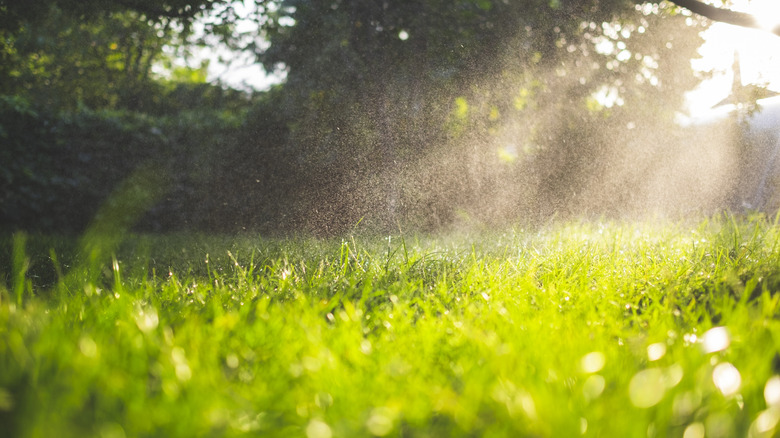
Most turfgrass species grow best in soil with a pH between about 6.0 and 6.8. Within that range, essential nutrients remain available and easy for grass roots to absorb, supporting healthy growth. When soil becomes more acidic than that range, the chemical behavior of nutrients changes, and nitrogen, phosphorus, potassium, and other essential elements become a lot harder for the grass roots to absorb.
Lime helps fix this issue by introducing calcium carbonate, which reacts with the acidic components of soil and raises the pH over time. That shift doesn't happen instantly, and small changes can make a big difference in how your lawn responds. Calibration is key when it comes to using this method, as applying lime without knowing the starting pH can push soil conditions too far in the opposite direction and create nutrient imbalances. Furthermore, if soil acidity is confirmed through testing, different types of lime can be suitable depending on the other mineral levels in the soil. For instance, if the yard just needs a simple pH adjustment, calcitic lime is often the best option. If the yard is also low on other minerals, like magnesium or calcium, dolomitic lime may be the best option, as it can boost both minerals.
How soil testing helps determine the right lime treatment
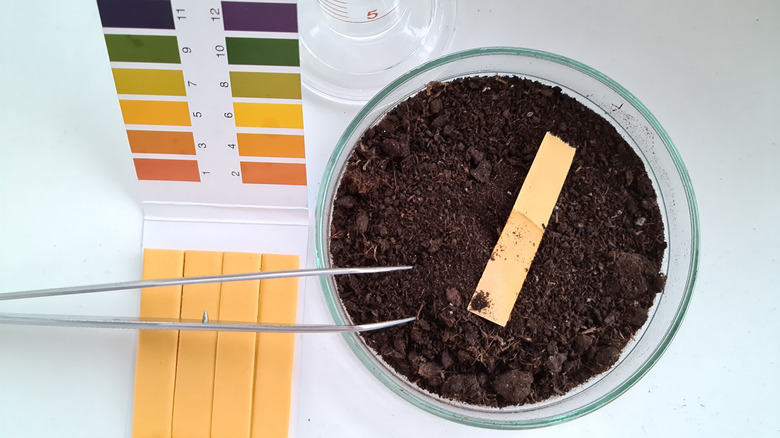
Testing soil before using lime provides the information needed to make effective adjustments rather than guessing, which could be detrimental. Excess soil acidity stunts grass growth and root development by reducing nutrient availability and increasing the solubility of harmful elements like aluminum. Luckily, this fate can be easily avoided, as home soil testing kits are available at gardening and hardware stores, and can reveal the state of your soil in minutes using pH strips. For an extra detailed analysis, soil samples can be sent to local agricultural laboratories or Cooperative Extension offices. These send-out tests usually go beyond measuring pH levels and provide insight into key nutrients and tailored advice for individual soil conditions.
When it comes to collecting a sample for soil testing, it's important to get one that's truly representative of the lawn as a whole. Instead of testing a single spot, collect soil plugs from multiple areas of the yard and combine them – this helps account for the natural variations in soil composition that exist in most yards. Once the analysis is done, the results can determine how much lime the yard needs, if any. If you feel your grass is struggling this spring, soil testing can reveal whether lime may be the answer.