

13 Companion Plants That Grow Well With Chives In The Garden
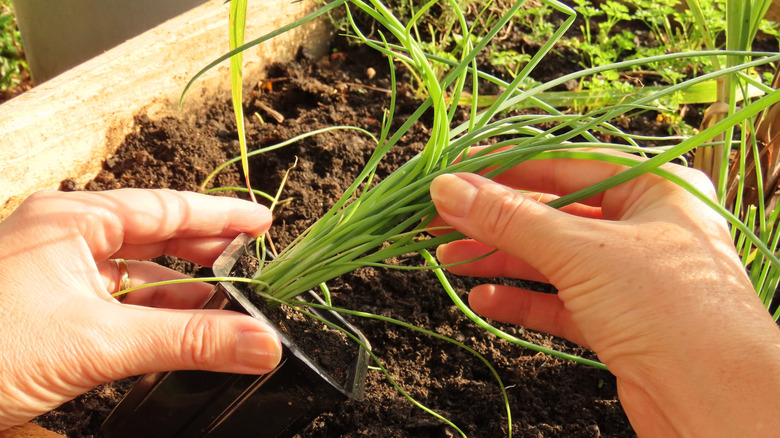
If you've been considering adding chives to your garden because you've heard that they make an excellent companion for different plants, then good choice. But before you do, it's important to discern exactly which plants are most likely to grow with it. And that begins with understanding what makes chives such good companion plants.
First, let's touch briefly on what companion planting is and how it can help you nurture a bountiful garden. It's essentially the practice of growing complementary plants together — plants that support one another in one or more different ways. Now, it should be noted that companion planting is not an exact science, and while there isn't much scientific evidence to support its efficacy, there are plenty of gardeners who've had lots of success. This is especially true with chives.
One of the most common reasons for companion planting with chives is pest control. This is largely thanks to allicin — the sulfuric compound responsible for chives' signature pungent smell. Indeed, while the oniony-garlic aroma may be enough to make humans hungry, it can put certain pests, like aphids and spider mites, off of their dinner entirely. By strategically planting chives as "bodyguards" around your most precious flowers, fruits, and vegetables, you can seriously improve their chances of pest-free survival. And as you'll see, it's usually fairly straightforward to do. Whether you're growing tomatoes, cultivating carrots, or sick of seeing your roses ravaged by insects, this guide to chive companionship might just be what you need to kick them to the curb.
Chives can help to deter aphids and spider mites that might otherwise plague your tomatoes
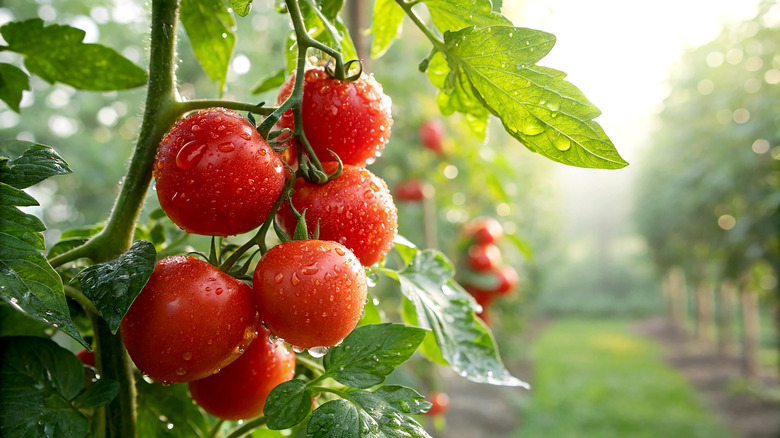
Given chives' reputation for warding off pests like spider mites and aphids, there are plenty around North America who swear by chives as an effective way of keeping tomatoes happy and healthy. There are even some who say that growing chives with tomatoes actually improves the flavor of the fruit. The evidence for this is largely anecdotal, and to be fair, it's unlikely to be the primary reason for planting the two together. But it's nice to know, nonetheless!
The reason the pairing of chives and tomatoes works so well is that, despite having similar soil and sunlight requirements, they root at very different depths. Tomatoes can root up to three feet down, whereas chives tend to have very shallow roots, often just a few inches beneath the soil. This means they're unlikely to ever compete with each other for the same soil space, which in turn means they should both be able to thrive.
Chives discombobulate carrot flies without competing for deep soil space
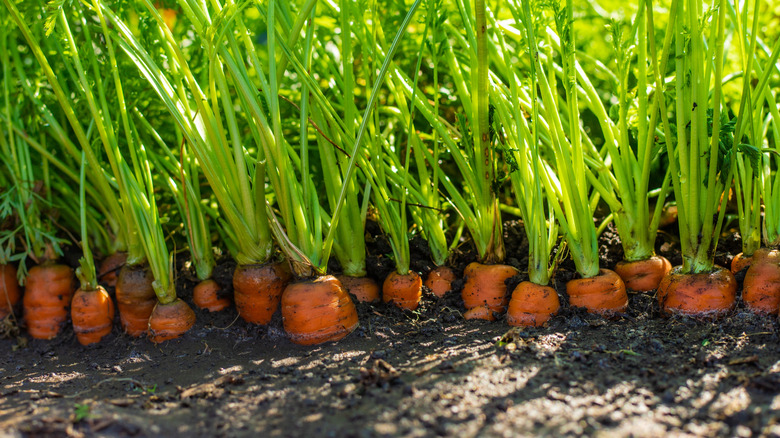
Chives are one of the best companion plants for carrots for two reasons. One is that, if you want to grow chives anyway for their culinary uses, then they promise to play nice with your carrots. Both have different rooting tendencies (chives have shallow roots, whereas carrots go deep), which means they won't compete aggressively for the nutrients that carrots need to grow. And the other reason? As we've already discovered, chives are utterly repugnant to an array of nuisance insects, including aphids, spider mites, and in this case, carrot flies.
Like aphids and spider mites, carrot flies are not especially fond of the allicin that gives chives their deliciously sulfuric smell. As one of carrots' all-time nemeses, carrot flies usually damage the roots, which is a sure-fire way to damage your vegetable crop. The smell of the chives is thought to confuse carrot flies by effectively disguising the scent of the carrots. This makes it harder for them to find the roots, thus safeguarding the health of your crops and ensuring they make it to your dinner table. Some even suggest that nearby chives can help the carrots grow bigger.
Roses benefit from chives' natural pest control abilities, and may even smell better next to them
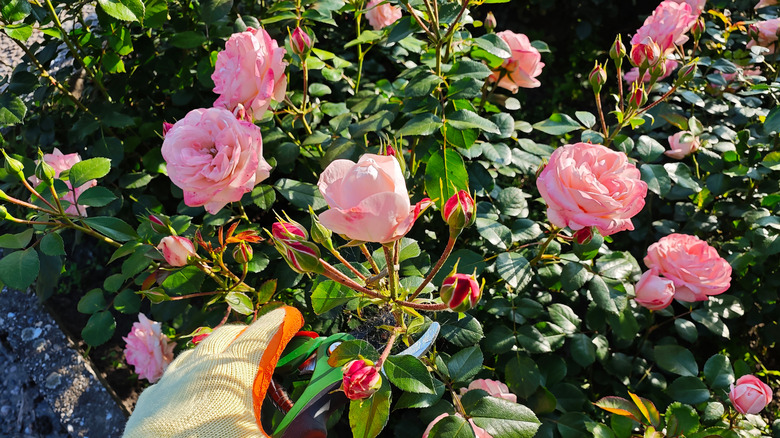
Like other plants, there are certain companion plants that work best with roses. Some, like Calibrachoa, are excellent for "filling out" your rose bush, delivering extra texture and color. Others, like chives, help to alleviate some of the common ailments that leave rose growers perennially pulling their hair out. These include aphids, as we've already discovered, but they also include black spot, a fungal disease that's commonly found in roses. Now, chives won't cure this ailment entirely, so don't add them after the fact in the hopes that it'll solve your problem. But anecdotal evidence suggests that it can help to reduce infection rates.
Chives and roses work well together for similar reasons as other plants featured so far. Firstly, the best places to plant roses are usually also ideal for chives — namely full sun and free-draining soil. What's more, whereas roses tend to root deeply, with thick, tree-like roots, chives' root systems won't compete aggressively for soil space. Some also say that the presence of chives effectively boosts the natural fragrance of roses. What's for certain is that the allicin found in chives has antifungal properties, and it's those that make chives so useful in protecting against ailments like black spot.
Apples and other fruit trees can benefit from a guard ring of chives (for several reasons)
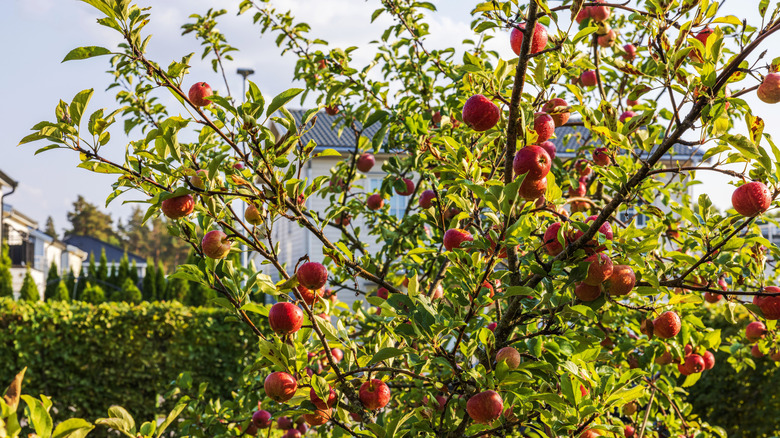
Once again, one of the primary reasons for growing chives around your fruit trees is to try and keep aphids away. Unfortunately, the juicy fruits of various trees are a boon to such insects. And if they're allowed to take hold, they can quickly spoil the crop of gourmet goodies that you worked so hard to grow. With this in mind, it's often recommended to plant chives in a ring around the dripline of your tree. Since chives root shallowly, they won't interfere with your tree's roots (or steal nutrients from the deep soil). Crucially, their scent — the result of that glorious compound we've come to know and love, allicin — will help to create a no-fly zone for any intrepid aphids.
Amazingly, chives can help to defend fruit trees against more than just aphids. They can also help to alleviate certain conditions, like apple scab, which is a common affliction among apple trees. This fungal disease can infect both the leaves and the fruit, and can leave the latter unfit to eat if not treated quickly. Like with roses, chives won't cure an existing apple scab problem. Nor will it necessarily prevent it from occurring altogether. But the antifungal properties of allicin could help contribute to a healthier growing site. This is especially true if you follow other anti-apple-scab practices, like regular pruning and ensuring proper airflow.
Strawberry patches can benefit from interspersed clumps of chives
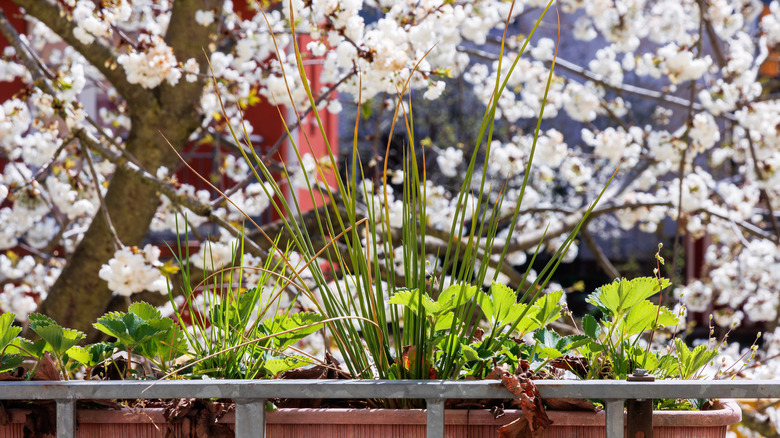
As with other fruits and vegetables, strawberries are prone to countless garden pests. Among the worst culprits are rodents, like squirrels, as well as slugs, snails, and, you guessed it, aphids. Now, you'll need to focus on rodent-proofing your garden as a whole if you hope to keep the squirrels out. But if it's slugs, snails, and aphids that are giving your fruit grief, then chives are one of the best plants with which to safeguard your strawberries.
By now, you know that the allicin contained in alliums such as chives, onions, and garlic can help ward aphids away from your plants. But the same is also true of any marauding mollusks who've started to get a taste for berries. By planting a "wall" of chives around the edge of your patch, you can discourage any slugs or snails from entering. Don't be afraid to intersperse your strawberry plants with chives, either. Not only will this help to bolster your defenses against mollusks, but the presence of chives could help protect them from certain diseases, too. In fact, there's scientific evidence to suggest the antifungal properties of alliums can suppress certain fungal diseases that are common in strawberries, like fusarium wilt.
Broccoli gets a welcome reprieve from pests when planted alongside chives
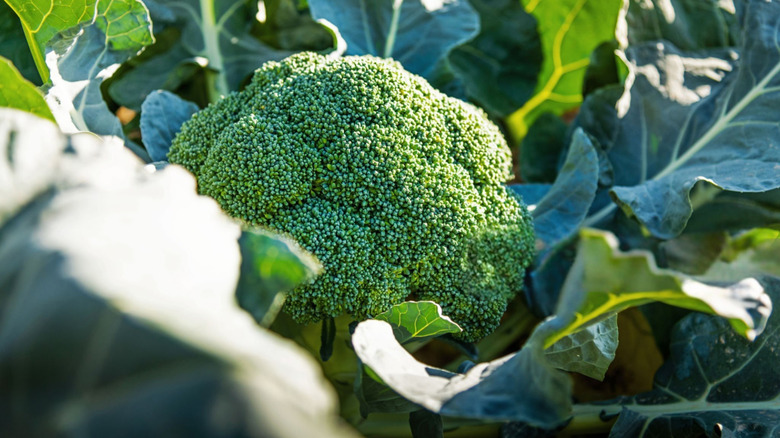
As you work your way through this guide, you'll probably notice, as we did, that chives have made for themselves a number of annoying enemies. Well, true to form, if it's broccoli that you're hoping to grow in your kitchen garden, then chives may well be worth planting alongside it. They'll help to ward off any aphids who come sniffing around your brassicas, but more than that. They'll also help to deter flea beetles, which, if allowed to gorge unchecked, can cause serious damage, especially to younger plants.
As with other pests, it's allicin that makes the magic happen. Like aphids, spider mites, and carrot flies, flea beetles simply hate the smell of it. Now, if you have an active infestation to contend with, then you should first try to clear as many beetles out of your patch as possible. Remove the ones you can, prune away the affected leaves, re-compost over the base of those plants that are ravaged the worst, and spray them down with an organic insecticide. Once that's done, intersperse your planting with chives and other alliums to help prevent future incursions. Broccoli and chives work especially well together since they both thrive in cooler temperatures, like those of the spring and autumn. And since chives have shallow roots, they won't outcompete your broccoli for valuable nutrients.
Late-blooming tulips may gain protection from insects and squirrels if chives are planted nearby
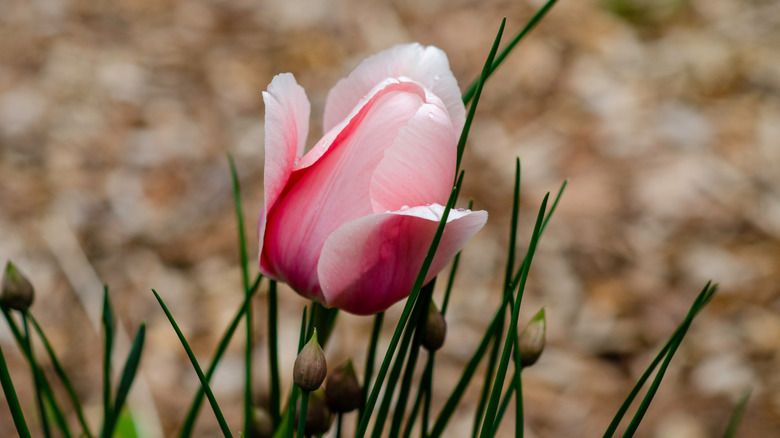
In most cases, what makes chives so effective as companion plants is the pungent aroma that they release around your other flowers. It's this scent that puts insects off throughout its growing season; however, it's more potent at certain times of the year than others. It tends to be strongest when it's growing new shoots, which is usually during the spring and fall. This, in turn, makes it one of the finest companion plants for spring-blooming tulips.
The pests that chives will protect your tulips against will vary. Aphids, as we know, may look less favorably on your flowers if the patch they're planted in is studded with clumps of chives. Tulips are also highly-prized by squirrels, who'll happily forage in your flower beds for the nutrient-rich bulbs beneath the soil. Now, we should say that no scent-based deterrent is likely to be wholly effective against squirrels. But there is evidence to suggest that the smell of chives may at least make them reconsider sniffing around your tulips for sustenance.
Grown along the base of a grape vine, chives can help to deter voracious pests
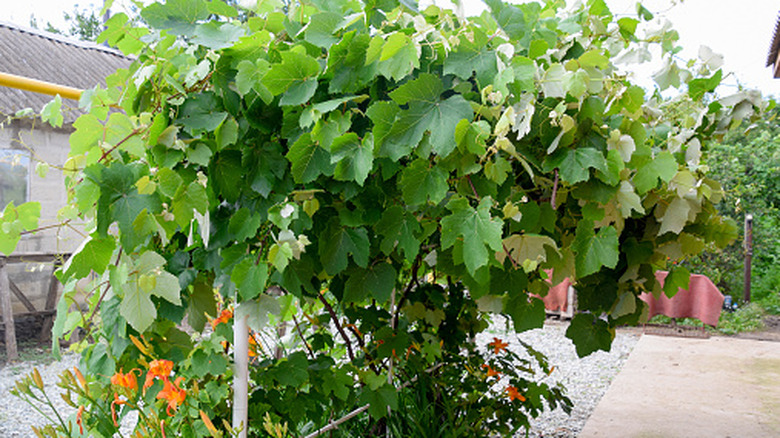
By now, you know that chives can be used to create a no-fly zone to protect your favorite flowers. They're also useful alongside certain edible plants, and among those are grapevines. Grapes, unsurprisingly, are often plagued by hosts of aphids, who flock to the fruits (and vines) for the sugary goodies contained within. And while there are several plants that can help stave off the worst of these insects' insatiable appetites, it's important to choose one that complements your grapes' growing tendencies.
Like other companion plants that work with chives, grapes tend to root quite deeply. This means they need companions that won't fight them for the nutrients deep within the soil. Chives tick this box perfectly. However, in order for them to be most effective, it's important to use chives with other plants that work as natural pest control in your garden and complementary management strategies. Grapes are popular among a host of other pests, not just aphids. In other words, while chives will certainly help, they may not provide the coverage you need to protect your vines by themselves.
Chives attract pepper pest predators and may also enhance their flavor
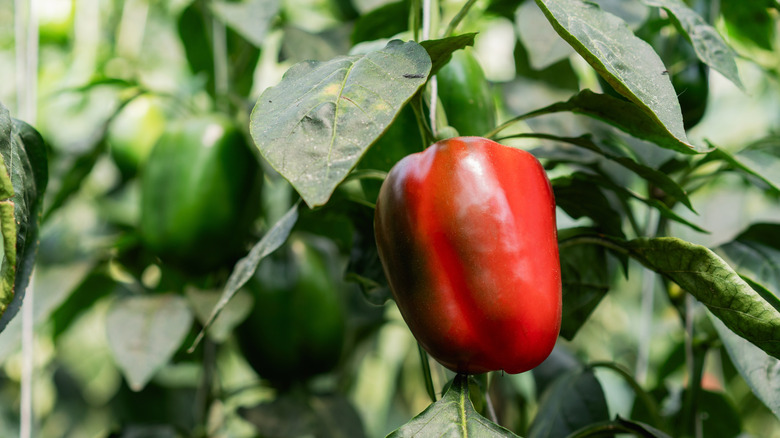
Allowing pests to roam around your plants unchecked is one of the most common mistakes people make when growing peppers. Unfortunately, it's all too easy to do. Like other fruiting plants, peppers are immensely attractive to a variety of pests, including flies, caterpillars, spider mites, and aphids. This makes planting chives a sensible choice. By interspersing your pepper plants with chive clumps, you can effectively create a "cloud" of fragrant deterrence.
You should also know that chives, especially their flowers, are highly attractive to other, more friendly insects. Things like wasps and other pollinators absolutely love these flowers, and in the case of certain beneficial wasps, they'll gladly attack many of the pests that cause problems with peppers. Sure, you may not want a wasp buzzing around your face when you're trying to chill with a rack of ribs. But if you have issues with aphids or caterpillars munching their way through the leaves of your peppers, you'll sure be glad they turned up.
Lettuce is less likely to be plagued by pests with chives fighting their corner
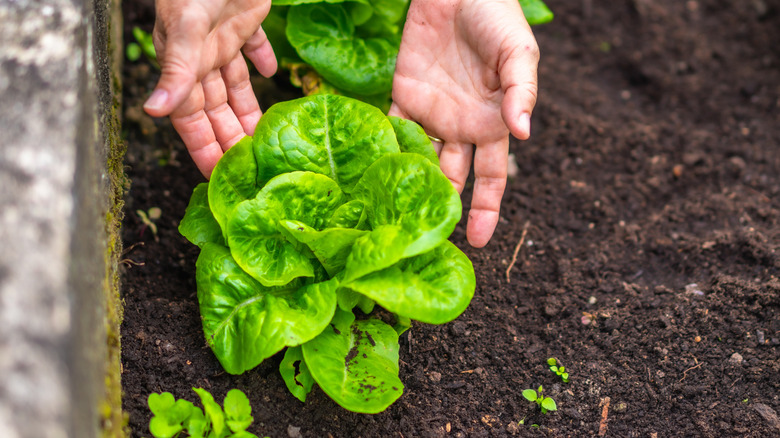
Lettuce is a favorite food of various pests, including mites, aphids, and flea beetles. Which is annoying, because the last thing you want to see when you're enjoying a summer salad is the bottom of your bowl crawling with tiny insects. Chives can help you avoid this in several ways. Firstly, allicin is utterly repugnant to these insects. Secondly, when they bloom, chives attract certain pollinators, like ladybugs, which will happily eat insects like aphids. They'll also help keep on top of smaller caterpillars, which as any child with a respectable bookshelf will tell you, tend to get very, very hungry.
If you're trying to grow lettuce and you're concerned about pests, then plant some chives around the edges of your patch. You could also add some clumps in between rows for good measure. Don't forget, chives are also edible, and they are sure to go wonderfully with the lettuce in your bug-free summer salad.
Protect your cucumbers from various pests by planting them alongside chives
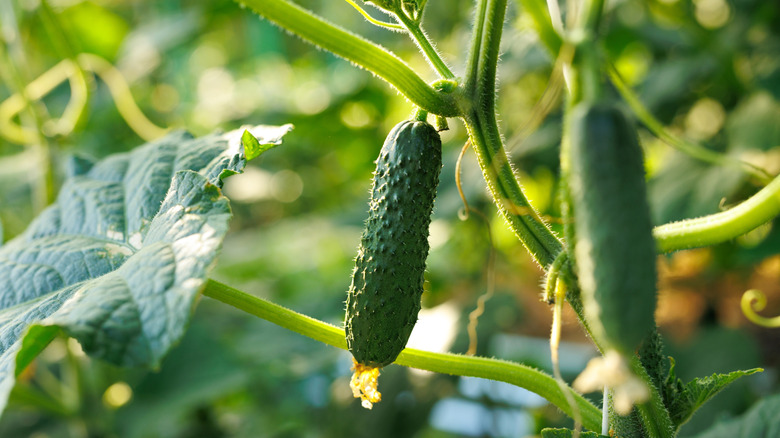
We already know that planting chives is a great way to keep pesky aphids and spider mites away from your precious plants. But they're also excellent for more species-specific pests. Carrot flies, for example, which bore at the roots of carrots, tend to steer clear when there's a fragrant cloud of allicin hovering in the air above your flower beds. So, too, do cucumber beetles, and this makes chives a fast friend for any member of the squash family. And as with aphids, chive flowers also attract beneficial insects, which in turn hunt certain insects, including aphids and cucumber beetles.
Fortunately, cucumbers and chives share fairly similar growing requirements. Both enjoy lots of sunshine, which helps. They also enjoy freely-draining soil. Crucially, while chives keep their root systems quite shallow, cucumbers tend to send their roots down as far as 48 inches. In other words, there's little chance of either plant outcompeting the other for soil moisture and nutrients.
Sage, lavender, garlic, and chives help tie together a Mediterranean kitchen garden
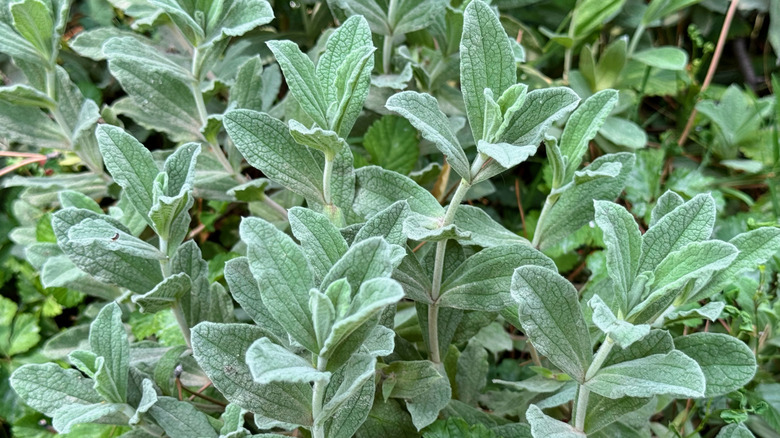
Sage is one of several herbs that grow well with chives. By planting them together, alongside other fragrant types like lavender and garlic, you can easily create a pollinator-friendly herb garden that encourages pests to steer clear. This is well worth bearing in mind if you're looking for a planting scheme to keep pests away from your patio.
Aside from pest control, there are various other benefits to growing chives with herbs like sage and lavender. One is the scent, and if you've ever spent time in the Mediterranean, you'll know how sweet such combinations can smell on a warm summer's day. More than that, chives and sage are both excellent ingredients to have on hand for cooking, helping you to bring a dose of Grecian sunshine not only to your patio, but also to your plate. As for how to plant them, use sage to fill the bulk of the flower bed. Lavender can be planted to add spikes of colorful interest and provide beacons for pollinators like wasps, butterflies, and bees. Chives, meanwhile, add height and movement, especially when planted around the edges.
Chives and parsley make excellent potting partners
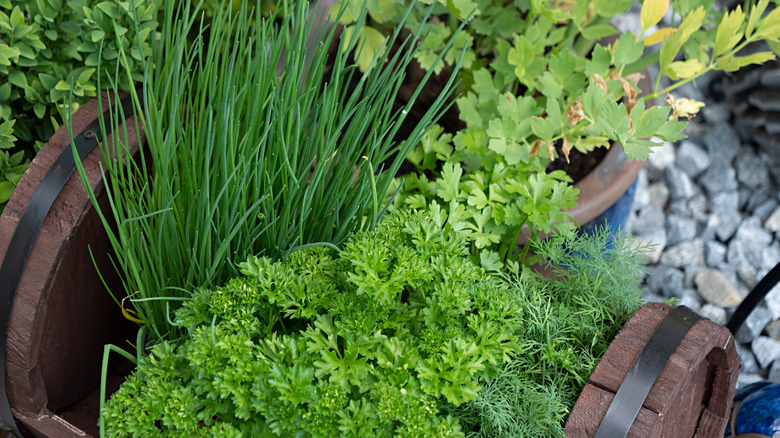
This companion planting suggestion boils down to the fact that chives and parsley both suit container gardens. Chives like to spread, and will gladly do so, eventually taking over your patch if not properly controlled. This makes them an excellent candidate for pots and containers, where they're naturally restricted in how far they can spread. As for parsley, like chives, it enjoys lots of sunshine, and it, too, will grow just fine in reasonably fertile soil. It can also be affected by pests including aphids and carrot flies, so while it's technically fine in your flower beds without risk of spreading, it could also benefit from chives' natural pest-control abilities.
Of course, you could always install edging around your herb garden or flower bed to prevent your chives from spreading. But if you don't need chives for pest-control purposes, then honestly, why bother? Instead, pop some protectively in a pot with your parsley. Place it on your patio (perhaps next to your barbecue), and enjoy having a supply of fresh herbs to go with whatever it is that you're grilling.