

The Retro Detail That Gives Your Backyard & Garden Features A Polished Look
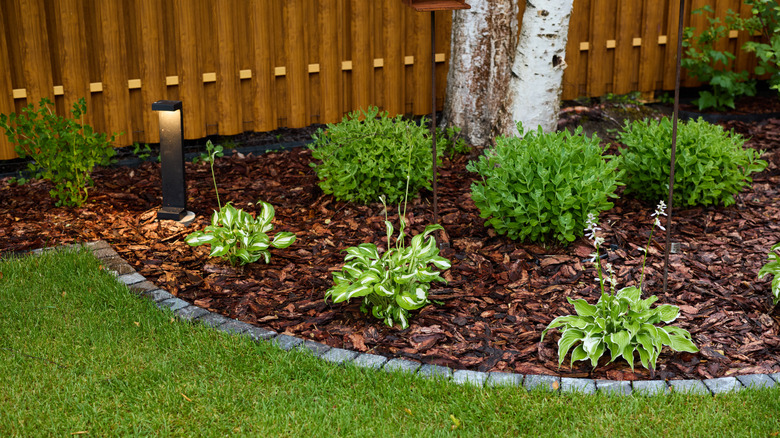
Outdoor structures like stone walls or pool borders often end up with flat, blocky edges that can feel unfinished. If you want to swap that look for something with a more intentional feel, bullnose coping is the retro design secret that can elevate the entire area. This masonry feature refers to stones or pavers that have one or more rounded edge, which creates a smooth, semi-circular profile, rather than a standard squared-off finish. Understanding the role of bullnose tile and when to use it for a seamless look is important for homeowners who want their masonry to look higher end. Originally popularized in mid-century architecture for its safety and clean appearance, this detail has made a major comeback for homeowners. It provides a finished transition between different levels of a yard, softening the look of heavy stone and giving the entire area a more polished feel.
Aside from the visual appeal, the rounded edge of bullnose coping serves a very practical purpose in a high-traffic area. These smooth edges are much kinder to shins and hands than traditional square corners, which is why they're a top choice for seating walls and stairs. Run your hand along a wall finished with this technique and you'll experience a smooth surface that feels safe. This subtle change transforms a pile of blocks into a functional spot to sit and enjoy some fresh air. Whether you're using travertine, limestone, or precast concrete, the curves of bullnose coping creates a cohesive look.
Bullnose coping provides a smooth finish for pool edges and garden walls
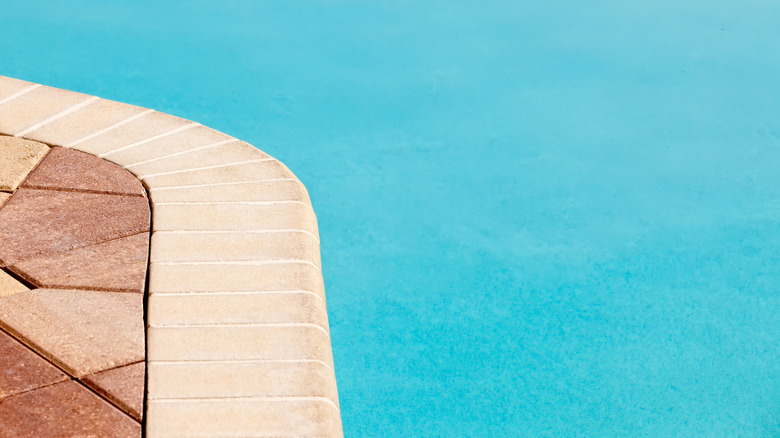
Installing bullnose stones around the perimeter of a swimming pool is one of the best ways to get a professional look. Understanding the importance of pool coping and why your pool needs it is the first step in creating a safe, durable edge. The rounded stones allow water to flow back into the pool more easily while providing a comfortable ledge for swimmers grabbing the side. This feature also can help prevent non-pool water and moisture from entering the pool, since there is an overhang. In garden settings, using these rounded pavers on top of a raised planter bed veers away from the industrial look that often comes with using standard concrete blocks.
When selecting materials for bullnose coping, many people opt for natural stone to match the earthy tones of their garden bed or outdoor space. A raised bed finished with a limestone or sandstone bullnose cap offers a clean finish and a solid weight that flat-edged stone doesn't have. Choosing a material that stays cool under the sun is a smart move if you plan to use these walls as extra seating in the summertime.
Rounded edges create a high-end architectural shadow line on garden walls
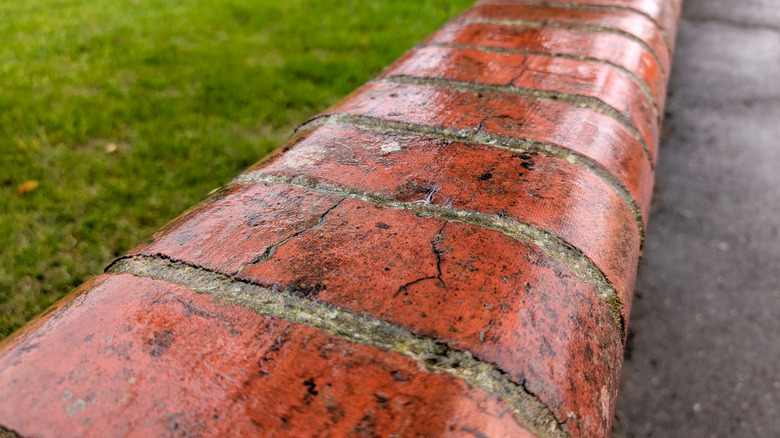
The polished look of this retro detail comes from the way the curved edge interacts with light and shadow across the backyard. When a bullnose cap is on a garden wall, it creates a shadow line that adds depth to the area. This visual break separates the vertical face of the wall from the horizontal top, making the masonry look like a custom piece of architecture, rather than a basic DIY project. Standard pavers often sit flush and can come across flat, but the slight overhang of a rounded edge adds a sense of dimension that catches the eye and highlights the stonework.
Maintaining this look is easier than with traditional sharp-edged stone, because the curves are naturally more resistant to wear. Many homeowners aim for stone landscaping ideas that require little upkeep, and choosing a bullnose profile is an excellent way to do that. Sharp corners on concrete or stone are prone to chipping and crumbling when bumped by garden tools or foot traffic, which can make a yard look neglected. A bullnose profile handles the occasional bumps and knocks much better, keeping that retro, polished silhouette looking good for years to come.