

Essential Garden Prep Tasks That Start In March For A Thriving Harvest
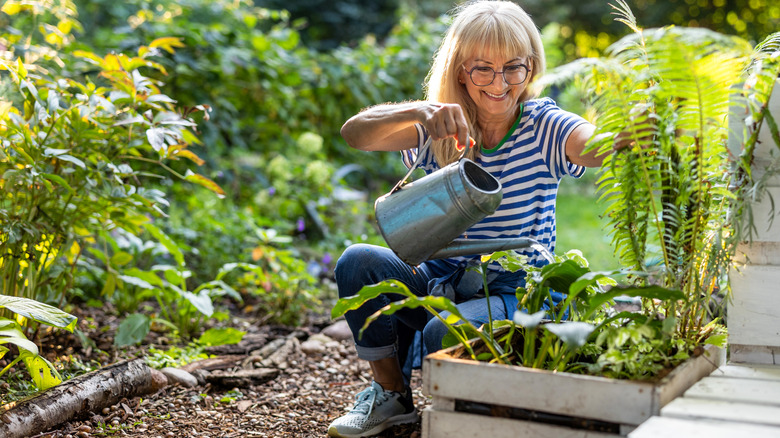
With the beginning of spring comes a lot of work to get your garden ready, starting with planning your schedule and layout. But then it's time to take the theoretical prep work and put it into action. For many people across the United States, March might be a little too early to really get out and start on your garden, but if you want a thriving harvest throughout the growing season, there is still plenty of work you can get done while waiting for warmer weather.
Take a look at the garden plans you've been making over the past few months. Make sure there are no last-minute changes you need to implement. Also, check the seeds you want to grow, and see if you need to order any so you can get them started soon. Summer may still be a few months out, but this is the perfect time to order seeds.
On nicer days, you may also want to work outside on your beds. If the soil is soft enough, start pulling out weeds, especially those stubborn perennial ones. If your beds need fertilizer, turning over, or any other additions, this is also great to do before any plants actually need to go outside. For example, if you want a little more alkalinity in your soil, it is a good time to add the unlikely material that could make your vegetable garden thrive — mushroom compost.
Getting your seeds ready is an essential part of March prep
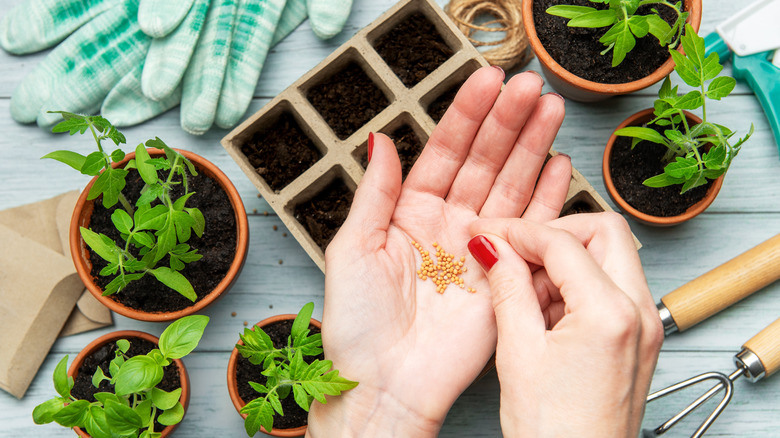
When your beds are ready, take a look at what you want to grow. March is a bit of a messy time for seeds. If you have some cold-hardy plants you've been germinating, you can now start transferring your prepped ones outside. These are vegetables like broccoli, cabbage, cauliflower, and Swiss chard. Keep an eye on your frost dates, though, and plan accordingly. While waiting, you can also work on hardening your transplants so they can better adjust to outside temperatures and have a higher chance of surviving.
However, some other plants should be germinated indoors about this time so they will be ready to plant when summer comes around. (See why you need to order seeds soon?) Peppers, tomatoes, eggplants, radishes, and basil are just a few examples of vegetables you should start growing in containers this March.
Finally, there are seeds that can be directly sown in your beds outside, since they can handle early spring's fluctuating temperatures. After you get your soil prepared, start seeding some of the more durable plant options. Beans, corn, cucumber, melons, and pumpkins are a few examples. However, for all three categories, you want to refer to your garden plans, as well as your USDA Hardiness Zones, to make sure March is actually the best time to do these steps for where you live.
Pruning plants and taking care of equipment helps your garden thrive
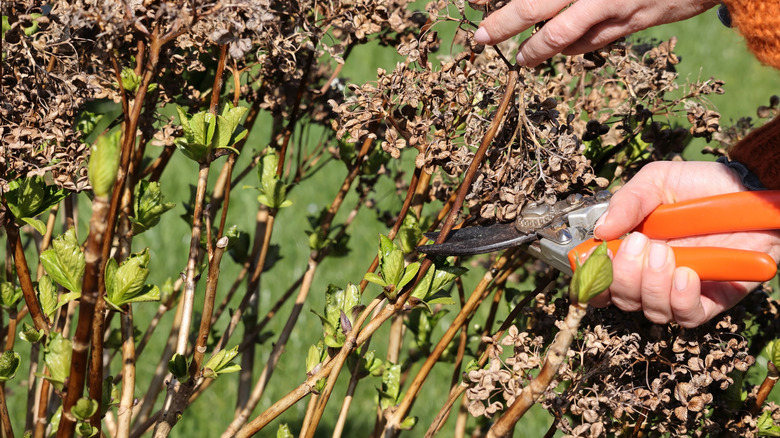
There are a few more things you might want to consider based on your garden plans and setup. For example, any shrubbery or trees that are growing could use a good pruning in March to get them into shape and encourage more growth. Don't only focus on your fruits, either. There are plenty of flowering plants you should be pruning in spring to keep them happy and healthy, like the rest of your garden. Although fall is the best time to transplant trees and shrubs, early spring, before new growth starts, is a good second.
Another thing to consider is checking all of your gardening equipment. If you haven't used any of it in months, you may not remember exactly what is and isn't working right. Plus, some of the items might have been left out in the elements, becoming more worn down than expected. See what tools would benefit from sharpening or oiling. Some might even need to be fully replaced, so they're ready to work when you are. If you are going to grow vining plants, March is the time to set up cages, trellises, and other support systems. They may not be necessary at the moment, but you'll be thankful to have them done as the season gets busier.