

Channel Jackie Kennedy's White House Rose Garden With These 10 Flowering Plants

Before the White House Rose Garden became a household name and tourist destination, it had fewer roses and a wider lawn, thanks to the administration that preceded the Kennedy era. All that changed in 1962 when Jacqueline Kennedy took her place as First Lady. Drawing inspiration from their travels in Europe but wanting to bring an American look to the space, the Kennedys relied on horticulturist Rachel "Bunny" Mellon to bring her vision to life. It wasn't going to be a static garden, but one designed to ebb and flow with the seasons in Washington, D.C.
Of course, the Rose Garden was filled with a plethora of rose varieties, but they weren't the only native flowers to call the White House grounds home. The architectural elements were highlighted by the intentional placement of trees, including four saucer magnolias (Magnolia x soulangeana), annuals, and amazing-smelling perennials that added layers of movement. The garden was filled with spring flowers, like tulips (Tulipa), and summer flowers, including pink geraniums (Pelargonium). By fall, chrysanthemums (Chrysanthemum) were one of the preferred plants around the Rose Garden. The always-present flower throughout the seasons was the rose, like Tom Thumb and standard roses. This rotating display kept the garden dynamic.
Kennedy understood that a successful garden doesn't need to be complicated or fussy. It needs to be intentional. If you're hoping to bring that same simplicity to your own space, these Rose Garden floral staples will help you on your way.
Grape hyacinth
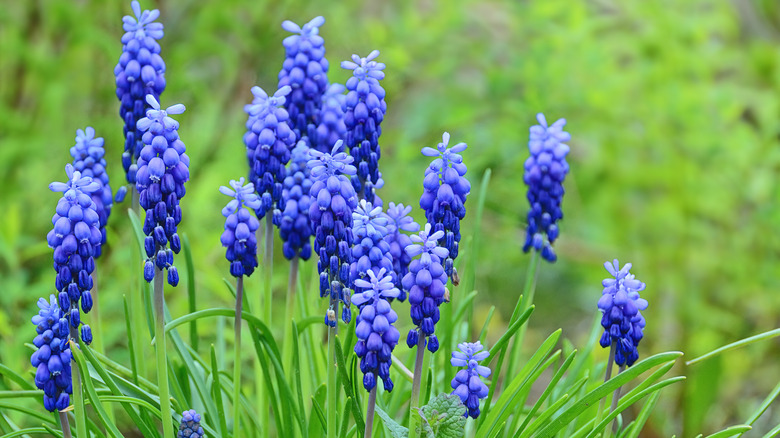
With a cluster of bead-like blooms, grape hyacinth (Muscari armeniacum) perennials add a burst of color to gardens. These low growers look like tiny bunches of grapes, making them perfect for borders, pathways, and as underplanting for larger shrubs.
Grape hyacinths are super low-maintenance, drought-tolerant, and thrive best in USDA Zones 4 to 8. The springtime bloomers need at least six hours of direct sunlight and soil with adequate drainage. Give you grape hyacinth plants these things, and they'll reward you every year.
Saucer magnolia
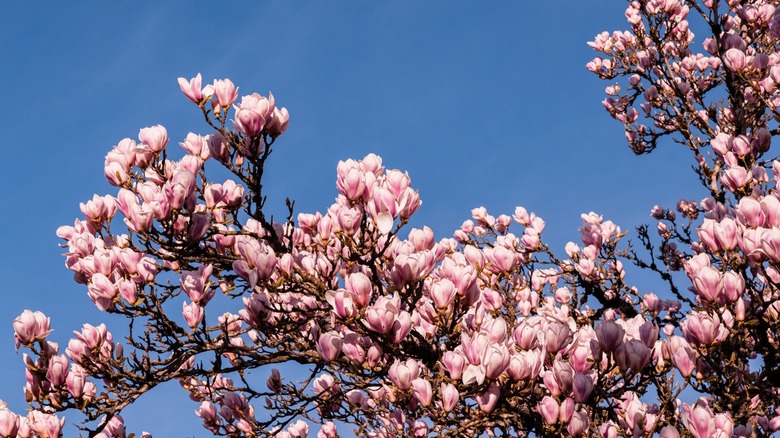
Saucer magnolias are among the showiest of trees in early spring, so maybe that's why four of them were planted inside the Rose Garden. They were strategically placed at four corners of the garden, with one sitting outside the Oval Office windows, sprinkling the space with seasonal drama.
Hardiest in Zones 4 to 9, this ornamental tree produces large, cup-shaped blooms in a variety of pretty colors, like pinks, purples, and whites.
Tulips
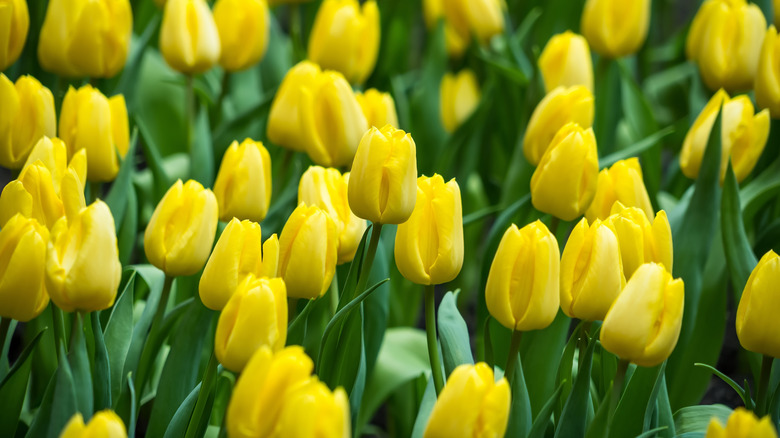
Tulips add the perfect dash of color to gardens, coming just in time for spring. In Jacqueline Kennedy's White House Rose Garden, tulips were part of the seasonal rotation.
Tulips are best grown in Zones 3 to 8 and can spread somewhat fast, with at least six hours of full sun and plenty of elbow room. Their upright blooms complement the roses and hedges rather than competing with them. If you need a helping hand, try a simple soil boost that will help your tulips thrive.
Michaelmas daisies
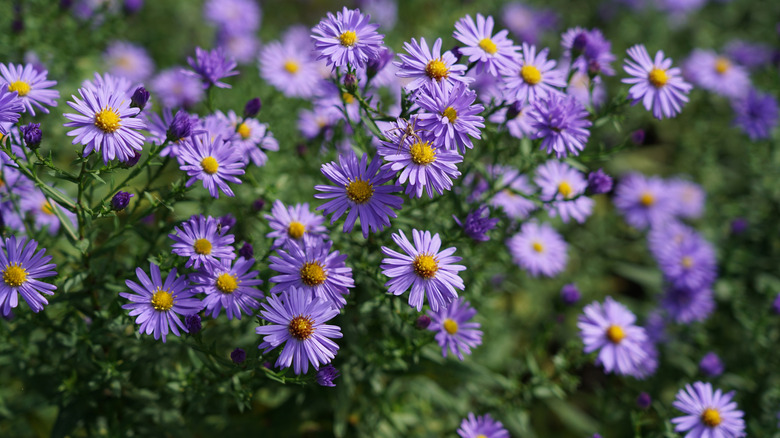
Michaelmas daisies (Symphyotrichum) keep the Rose Garden and your own garden full of color, from summer to late in the fall. Picking up where other blooms leave off, Michaelmas daisies come in shades of lavender, pink, blue, and white.
Hardy in Zones 4 to 8, these perennials prefer full sun and well-drained soil. Plant them along walkways or in containers to bring pollinators into your yard late in the season.
Carnations
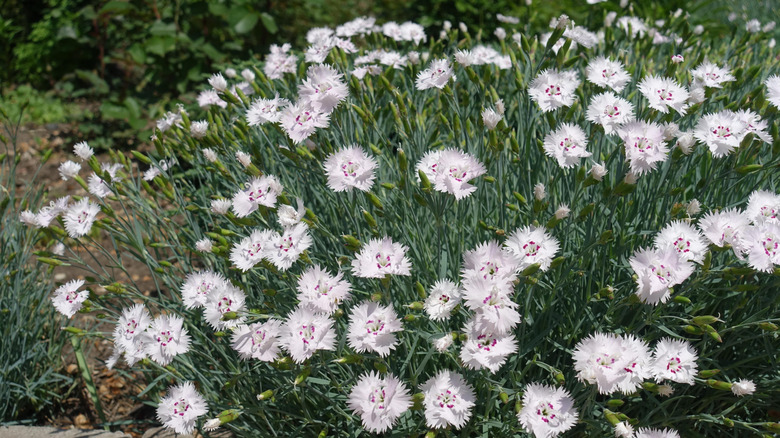
Rachel Mellon incorporated white dianthus, commonly known as carnations (Dianthus), to fill larger sections of the White House Rose Garden during the summer.
While they might sound ordinary, their ruffled petals and spicy fragrance make them a great fit for gardens in Zones 4 through 11. They thrive in full sun and well-drained soil, and benefit from regular deadheading to encourage continuous blooms throughout the season.
Japanese anemone
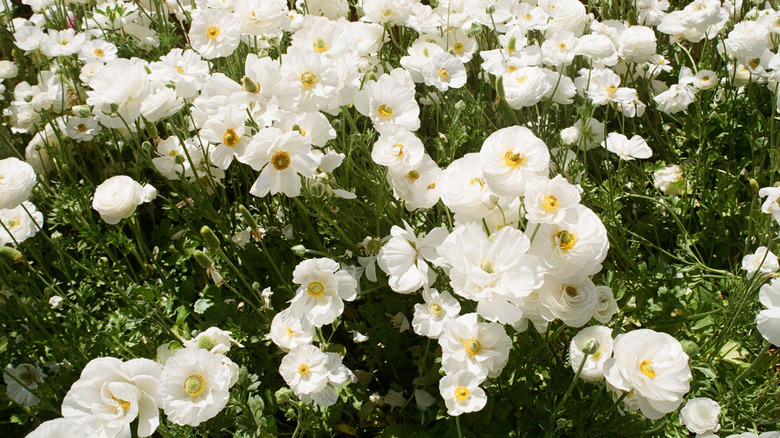
The poppy-like blooms of Japanese anemone (Anemone x hybrida) flowers are a quieter kind of beauty. Opening just as the flashier summer flowers begin to fade, Japanese anemones have tall, wiry stems that are hardiest in Zones 4 through 8.
Despite their delicate look, they're actually tougher than you'd think. With flowers growing up to 3 inches, Japanese anemones only ask for good drainage and six hours of sunshine.
Pink geraniums
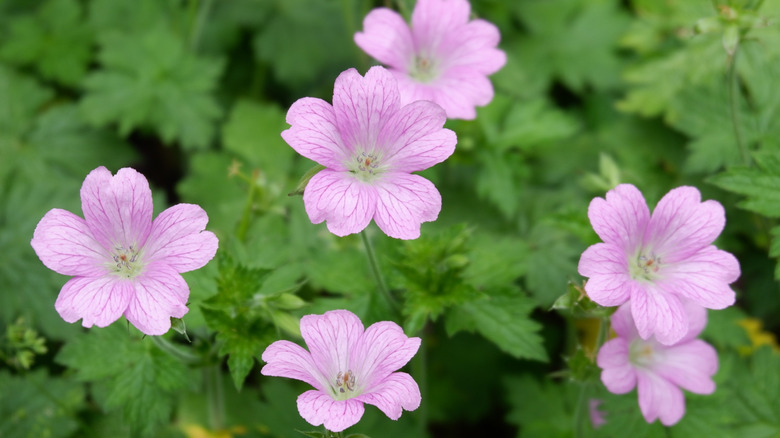
For a cheerful, no-nonsense kind of garden color, light pink geraniums (Pelargonium) were a summer feature in the Rose Garden during the Kennedy era. They were great for filling in beds with subtle color, with rounded clusters of blooms and citrus-scented foliage.
Geraniums are among the lowest-maintenance plants in Zones 9 through 11. These showy flowers prefer full sun with well-drained soil, while handling drought-like conditions like the champs they are.
Crabapple trees
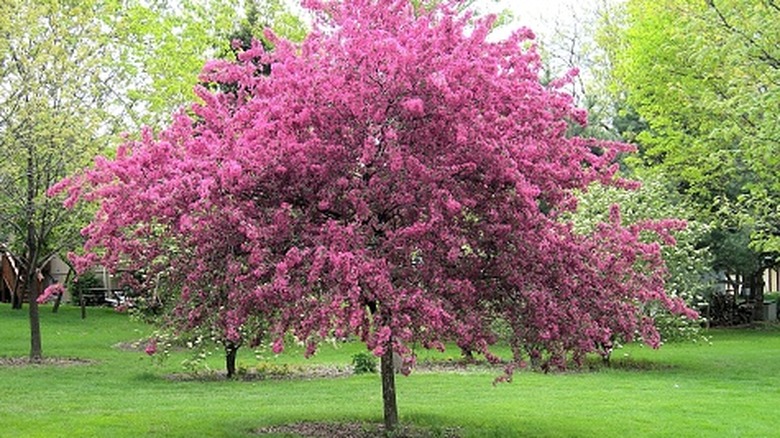
As one of the few blooming tree varieties in the Rose Garden, crabapple trees (Malus) bring structure and ornamental spring beauty to spaces. They can thrive in a variety of climates within USDA Zones 4 to 8.
Crabapple trees burst into bloom with soft pink flowers, followed by small ornamental fruit in the fall. Despite their showiness, they're fairly low-maintenance once they're established.
Chrysanthemums
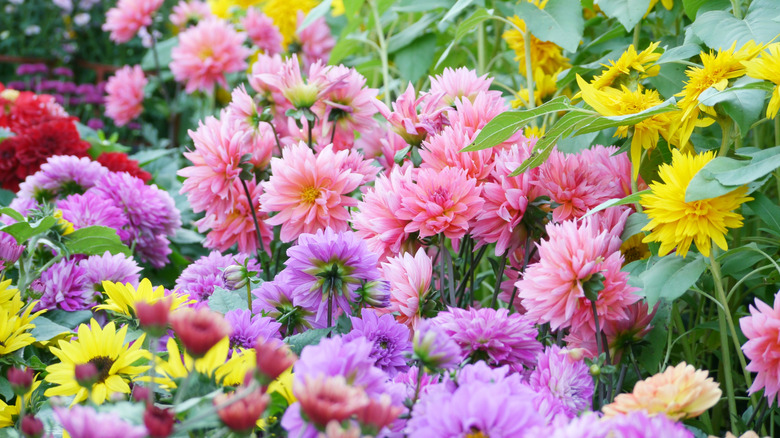
Part of the daisy flower family, chrysanthemums were a fall favorite in the Kennedys' Rose Garden that gave it color during the cooler months. Hardy in Zones 3 through 9, chrysanthemums have dense blooms in an array of pretty shades, bringing richness to gardens.
Mums work well as border plants or in pots lining your patio. To encourage a fuller shape and more blooms, pinch back the stems in early summer.
Lilies
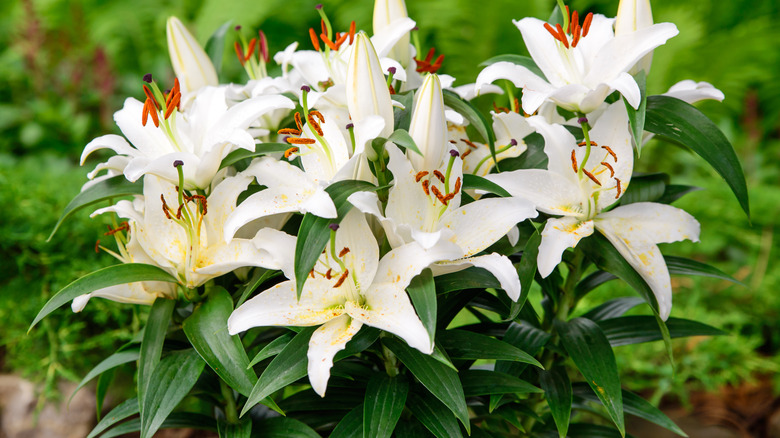
Lilies (Lilium) can't be accused of being subtle. They steal the spotlight and make everything around them look a little more elevated. Thriving in Zones 3 through 8, lilies add that extra strike of summer color. They're perfect for bringing height and drama right when a garden needs it most.
When you're planning out your Rose Garden-inspired space, be sure to know the beautiful companion plants to grow with lilies and the ones to skip.