

How Often To Reseed Or Overseed Your Lawn For Healthy, Lush Grass
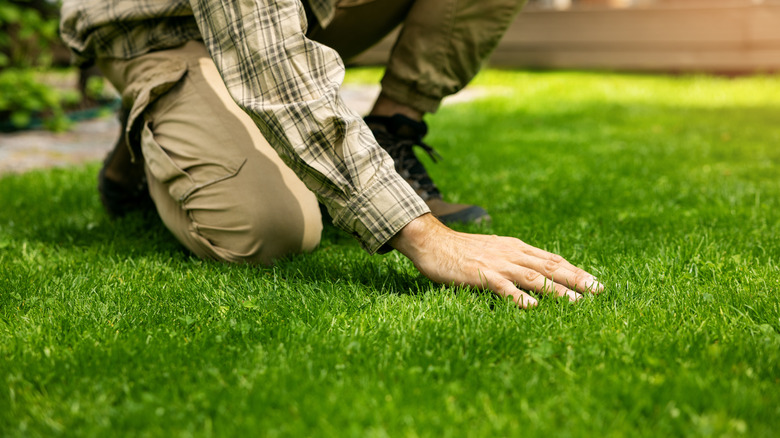
Common maintenance tasks like reseeding and overseeding are natural ways to keep your lawn green. Reseeding occurs when large areas of the lawn, typically damaged over time, are redone with new grass seed. This process involves removing old vegetation until you're only left with soil to add new seed to. Overseeding means adding a new grass species on top of the turf to improve the overall looks. However, overseeding also can be done with the same grass type to improve density, although a different species is often thicker and healthier. When it comes to both, there is a lot of overlap in these lawn care methods. Both tasks are something a homeowner should keep in mind if their grass is looking a little shabbier than usual.
To decide whether or not you should reseed or overseed your lawn, it's best to look at your lawn closely and note changes from one year to the next. When it comes down to it, you are more likely to overseed your lawn rather than reseed. Reseeding is a task to complete after significant, noticeable damage. But if your grass appears a little thin or not very green, it's a sign that overseeding is right.
When reseeding a lawn, you can use the same grass seed you used before, but a new grass species can lead to a new, improved yard. When overseeding a lawn, you can also use a different grass seed to encourage the yard to grow more densely. If more than half of your grass is dead, then reseeding may be your best bet. Reseeding can be completed as needed. Overseeding can be scheduled every one to three years, depending on the soil health, foot traffic, and grass type.
Selecting the right method to keep your grass healthy
Reseeding is typically reserved for cases requiring a full lawn renovation, when more than 50% of the yard is no longer viable. It involves the removal of the dead organic material and weeds, stripping your lawn down to the soil so you can start from scratch for the entire yard. There are several telltale signs it's time to reseed your lawn, beginning with the presence of large areas where the grass has completely died, leaving behind bare soil, or where weeds have overtaken grass. Driveway salt, snow mold, and other things can lead to this problem.
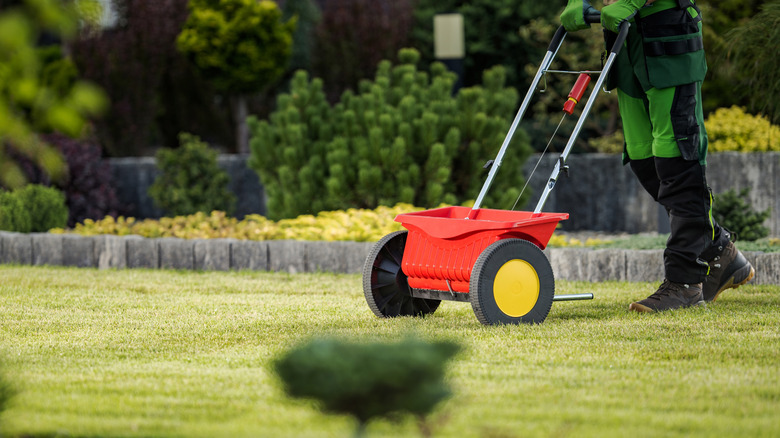
Overseeding is more of a maintenance technique used to keep your lawn looking dense and healthy by adding more seed to an already viable lawn. When you should overseed depends a lot on the type of grass species you are using. Cool season grasses should be overseeded in the fall and warm season grasses should be overseeded in the spring. However, autumn is generally the best season to worry about improving your lawn, thanks to moderate temperatures and consistent water. One of the very best ways to overseed your lawn is to aerate first. The result is a thicker lawn with more dense grass growth.