

What To Do If You Find A Rabid Animal In Your Yard
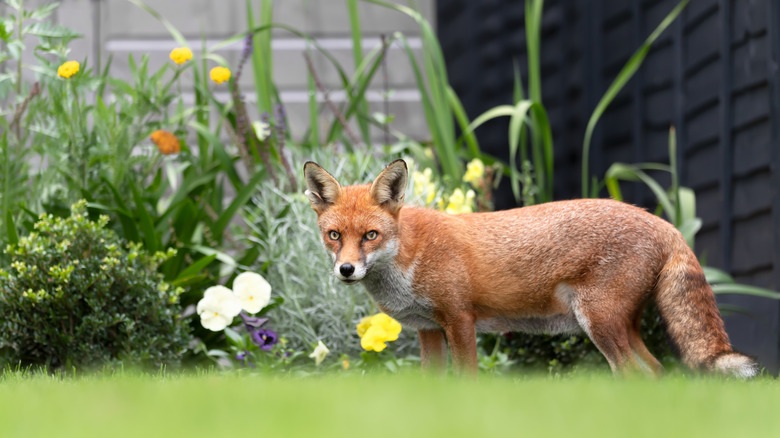
If you spot a wild animal in your yard, your first instinct may be to go and take a look. However, if it's acting strangely, you need to use caution — it could be sick with a dangerous illness. Rabies is a serious disease that attacks the central nervous system. It is almost always fatal once symptoms appear, making fast and informed action essential. The safest approach for seeing a potentially rabid animal is to keep yourself at a safe distance, secure your surroundings, and call the professionals as soon as possible.
Rabid animals don't always look aggressive when you first see them, but they do show abnormal signs. Warning signs to look for include disorientation, excessive drooling, vomiting, difficulty moving, or unusual aggression. You may also notice the animal active at a strange time, such as a nocturnal bat flying around during the day. Other symptoms include a staggering gait without an apparent injury, foam around the mouth, or loud vocalizations. If anything seems off, it's best to take precautions.
Acting quickly and carefully protects your household as well as your local community. Whether it is a baby raccoon, a fox, or a stray pet, knowing how to respond ensures that you keep your family and pets safe. It is helpful to use humane ways to keep critters out of your yard as a preventive measure to reduce the risk of rabid animals from accessing your home.
Steps to take when you spot a possibly rabid animal
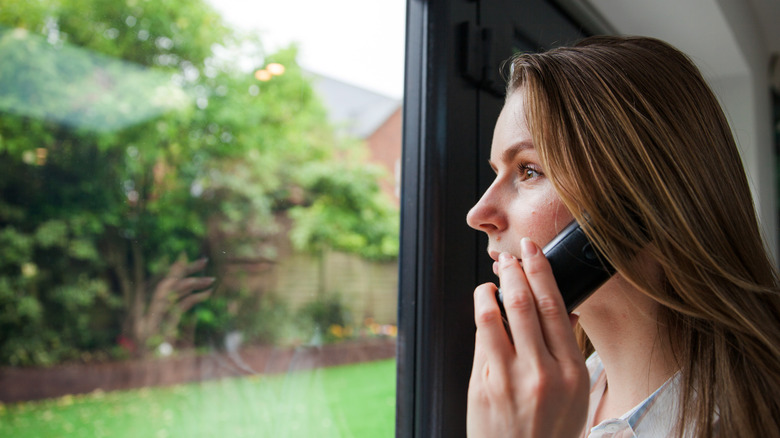
The most important thing to remember is not to approach the animal for any reason. If you're unsure whether the animal has rabies, it can be tempting to look more closely. However, rabies spreads through saliva, and the closer you get to the animal, the more you're putting yourself at risk of a bite or scratch.
Secure your home and any animals you may have. Bring your pets and your children inside, alert your neighbors, and keep away from doors and windows. If you can, close off any points to the home or areas that the animal could access, such as a garage or shed. If the animal comes toward you, put something large (a trash can, an outdoor chair) between you and it, then slowly get inside. If you run, you may incite the animal to chase you.
Let the professionals take it from this point. Contact your local animal control, town or county health department, or a wildlife removal service. The health and wildlife professionals are trained to safely capture and examine animals. In most cases, the animal will get tested for rabies. For prevention, ensure you keep all pets up to date on their rabies vaccines. Check your yard; You may discover that you have a food source in that's attracting animals rather than deterring them. If you, another family member, or a pet may have contacted the animal through a bite or scratch, wash the wound and seek medical care right away. You'll need treatment, and you'll have to report the incident to your local health department.