

Say Goodbye To Concrete And Try This Durable Eco-Friendly Driveway Material
If you find your concrete driveway uninteresting or are starting to notice unsightly cracks and stains, it may be time to try something new. Rather than repaving it, consider a more modern and eco-friendly alternative material that can provide flexibility, safety, and durability when used for your driveway. Rubber driveway tiles are made primarily from recycled rubber, often repurposed tires. Incorporating these tiles gives new life to material that would otherwise be waste and creates a functional, durable solution that allows you to say goodbye to concrete.
These rubber tiles, similar to rubber stone used in hardscaping, are made from recycled materials, which helps keep waste out of landfills and decreases demand for new raw materials. Their sustainability is a major reason they are popular among more eco-conscious homeowners. They are also very low-maintenance. No sealing is necessary, and an occasional light pressure wash will keep them looking as good as new.
Installing these tiles is a fairly simple process. Many designs feature interlocking edges, making them DIY-friendly. Before laying, prepare your driveway. Over the dirt, layer 4 inches of compacted stone and landscaping fabric to ensure it's smooth and level. Plan your layout by placing the tiles down and making cuts with a utility knife. Once they are installed, the tiles should be pressed firmly into place. Then, seal any gaps with rubber sealant. It can also be helpful (but not always necessary) to add adhesive to the underside and along the edges for greater stability. Just be sure to check the installation recommendations for the particular tiles you choose.
Benefits and potential pitfalls of rubber driveway tiles
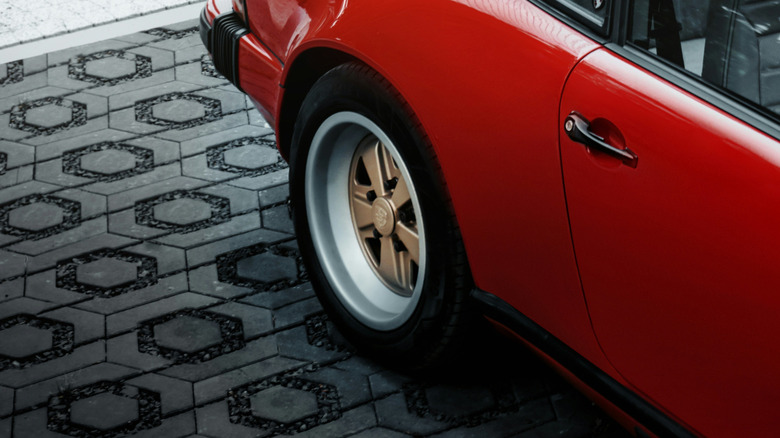
One of the biggest appeals of rubber driveway tiles is their flexibility. The rubber expands and contracts as temperatures change from hot to cold, helping prevent the cracking and swelling that can occur with concrete. They also provide excellent traction with a naturally slip-resistant surface. It reduces the risk of sliding or falling in the rain, ice, or snow, making your driveway safer for your vehicles and for you when you walk on it. The material promotes good water drainage, so it doesn't pool, and it is less likely to erode than gravel or asphalt. You can even customize your tiles in various colors and patterns to imitate brick or cobblestone. This can make your driveway a statement piece and allow you to incorporate its design with other fun landscaping elements, such as driveway borders that just might boost your home's curb appeal.
One potential drawback of rubber driveway tiles is their upfront cost. They can be as much as $20 per tile. Even though they are easy to install, ensuring your driveway is level and flat can add to the expense. Rubber tiles can also become stained from your car's oil or other chemicals over time, requiring a deeper cleaning. However, replacing sections of your rubber tiles is easier and more cost-effective than repairing concrete. Finally, mold and harsher winter climates can wear down your tiles sooner, so staying on top of drastic weather changes and keeping your tiles clear and dry ensures that they last.