

The Sustainable Material That May Replace Concrete Driveways In The Future
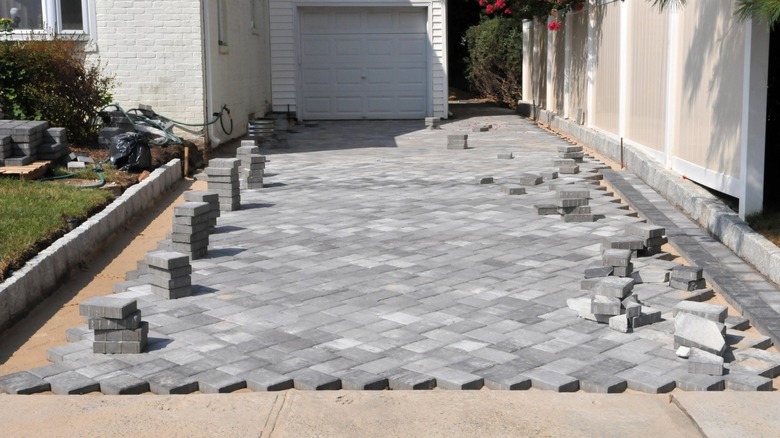
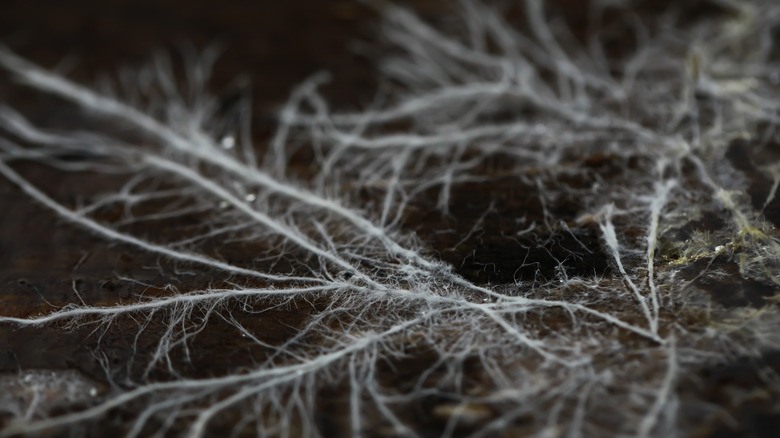
Cracks snaking across a gray concrete slab are a common sight for many homeowners, but the next generation of driveways might actually be grown in a lab rather than poured from a mixer. Concrete cracks because it's brittle and struggles to stay in one piece when the ground shifts or the temperature changes. This lack of durability leads to a cycle of constant patching and eventually a full, expensive replacement. While concrete is the traditional go-to for durability, its massive carbon footprint has researchers looking toward the fungal kingdom for a greener alternative. It's time to say goodbye to concrete and meet the eco-friendly alternative: mycelium. The dense root-like structure of fungi is emerging as a surprisingly powerful contender for heavy-duty construction.
Unlike paving materials that need extreme heat and chemical processing, mycelium grows naturally by consuming agricultural waste like corn husks or wood chips. As the fungi digest these materials, they create a tightly woven network that becomes incredibly strong when dried and compressed. It offers a way to move away from the high emissions associated with cement production, which is responsible for a significant portion of global greenhouse gases. This biological process creates a solid block that can withstand significant weight, making it a potential candidate for residential areas. By using the natural growth patterns of fungi, the construction industry can make materials that are sturdy and entirely biodegradable at the end of their lifespan. This shift represents a move toward "living" infrastructure that works with nature rather than against it.
Mycelium bricks offer a durable and eco-friendly alternative to traditional paving
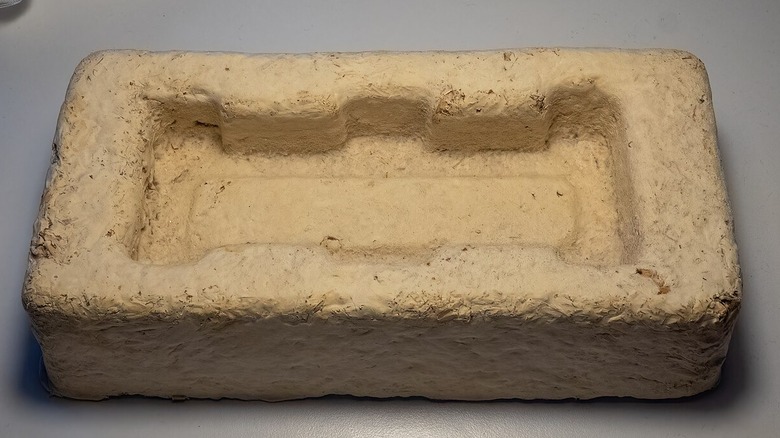
Traditional concrete relies on a chemical reaction that is permanent and rigid, but mycelium-based composites provide a unique blend of strength and flexibility. When fungi are grown into specific molds, they take on the shape of the container, allowing for the creation of uniform pavers that can be installed just like brick or stone. The biological bricks are surprisingly fire resistant and provide excellent thermal insulation, which helps manage the temperature of the ground beneath the driveway. Because the material's porosity can be controlled during development, some bricks can be made to help with water management, allowing the moisture to filter through rather than creating the heavy runoff often seen with solid asphalt or concrete.
To make sure the material is tough enough to support a vehicle, the mycelium is heat-treated to stop the growth process and then compressed to increase its density. This resulting product is lightweight but still capable of supporting the pressure of a car, proving there are durable materials to use on your driveway that go beyond concrete. For homeowners concerned about longevity, these fungal pavers are treated to be water-resistant, which prevents them from breaking down during rainy seasons. This innovation turns a biological organism into a functional building component that matches the usability of concrete while significantly reducing the environmental toll of home improvement projects.
Homeowners can benefit from the low carbon footprint of fungal construction materials
Choosing mycelium over traditional materials means significantly reducing the amount of waste that ends up in landfills. Since the production of these pavers relies on upcycling agricultural leftovers, it turns trash into something actually useful for the home. When a mycelium driveway eventually reaches the end of its life, it doesn't need to be hauled away to a specialized facility. Instead, the material can be broken down and composted, returning nutrients to the soil without leaving behind toxic residues.
This circular lifestyle is in contrast to concrete, which often lingers in the environment for decades after it's discarded because many homeowners struggle to find the right way to dispose of cement without contributing to industrial waste. The energy to "grow" a driveway is a fraction of what's needed to manufacture and transport cement. This makes it an attractive option for those looking to minimize their personal environmental impact through smarter material choices. As the technology behind biofabrication advances and demand increases, the cost of these materials is expected to drop, which might make them a competitive choice for the average home. Transitioning to fungal-based surfaces allows for a functional, attractive entryway to a home that supports a healthier planet and a more sustainable approach to residential design.