

The Weed That Will Wreck Your Lawn If You Confuse It For Grass
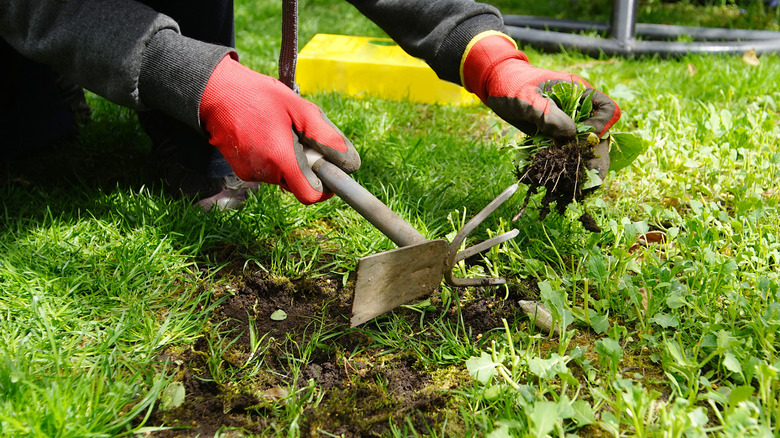
Though your grasses timeline will differ depending on where in the U.S. you live, you might start seeing sprouts popping up in March, at the earliest. As exciting as this period is, it is also a time to be hypervigilant about the potential weeds that can quickly take over your yard without warning. One common culprit is false brome (Brachypodium sylvaticum). This fast-growing perennial grass may resemble your typical native bed of grass, but it's actually a noxious weed and considered invasive. In some states, like Washington and New York, it is prohibited from being purchased, sold, or spread within the state borders.
Like other noxious weeds, false brome is dangerous to wildlife and property. This plant is hardy, self-fertilizing, difficult to kill, and a danger to native plants, often outgrowing them. Besides its fast-growing properties, false brome is also toxic to mammals thanks to the fungal endophyte Epichloe sylvatica.
If you think you've spotted false borne in your yard, it is important to note exactly where you found it and contact your state's land management. Once you've determined you do have a case of false borne on your hands, there are ways to safely remove it from your property and dispose of it properly before it takes over your yard.
How to spot and kill false borne in your yard
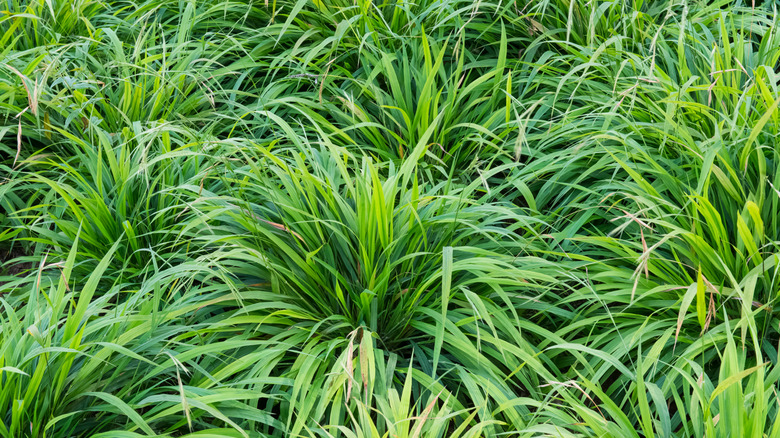
Native to Europe, false brome can be found in the U.S., specifically on the West Coast in Oregon, Washington, and California. It's hardy enough that it can survive in a wide range of environments, like low to high elevations or low to high temperatures. This weed tends to blossom in the summertime and is known for its vibrant green color. Keep an eye out for its notorious vertical stems that stand together in tufts and its leaves edged with thin, fine hairs. The leaves of a false brome can reach up to about 14 inches long, while stems can reach 2 feet. If you're ever unsure if the grass in your lawn is actually a problematic plant, you can always check an online database like the USDA's Invasive Species Profiles List.
Once you've determined you're dealing with false brome, it's time to act quickly. One easy and non-chemical tactic is to dig up the plant along with its roots. Make sure to wear gloves, and don't forget to store the weed in bags before tossing it into the trash to reduce the risk of falling seeds. There's also a way to mow your lawn to prevent weeds from taking over. You can go the herbicide route, though his option can take years to fully remove the plant and will require consistent applications. Note that the use of herbicide can be risky for your other plants as well as for wildlife. Lastly, if you want to plant new grass afterwards, always ensure you pull weeds before planting new grass seed for the healthiest lawn.