

Why Fertilizer May Cost More Than Ever In 2026 (And How To Plan Accordingly)
We may receive a commission on purchases made from links.
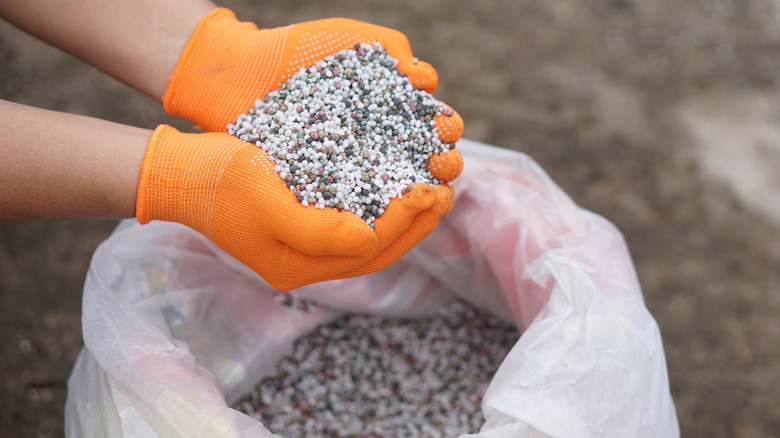
Chances are that when you are gardening, the last thing to cross your mind is an international conflict. While the war in Iran may seem far from your backyard plot of flowers and produce, it actually hits incredibly close to all hoping for a good harvest in 2026. One of the unintended outcomes of the recent global tension is a chokepoint on fertilizer and the necessary components making their way into the United States. This is expected to directly translate into exorbitant price increases for farmers waiting for available fertilizer; but it could also impact amateur and hobby gardeners in the form of increased costs or a sharp decrease in availability of this gardening resource.
Whether you have thought about what goes into fertilizer production before or not, it's all that many who are awaiting the spring planting season are able to think about now. Recently, there has been much discourse about the shutdown of the mostly Iranian-controlled Strait of Hormuz, a globally significant waterway. While much talk of the strait has been in relation to oil exports, there are other fossil fuels that are integral to day-to-day life. Natural gas is necessary for the process of creating ammonia, which is required for the production of nitrogen-based fertilizer. The strait also was responsible for direct export of urea and phosphate, as well as manufactured fertilizer — a third of all sea-traded fertilizer, according to the Carnegie Endowment for International Peace. In the simplest of terms, this means that synthetic fertilizer — if it is available at all — will come at a premium. Fortunately, you can plan accordingly by embracing other means of boosting your soil's nutrients.
Natural fertilizer options
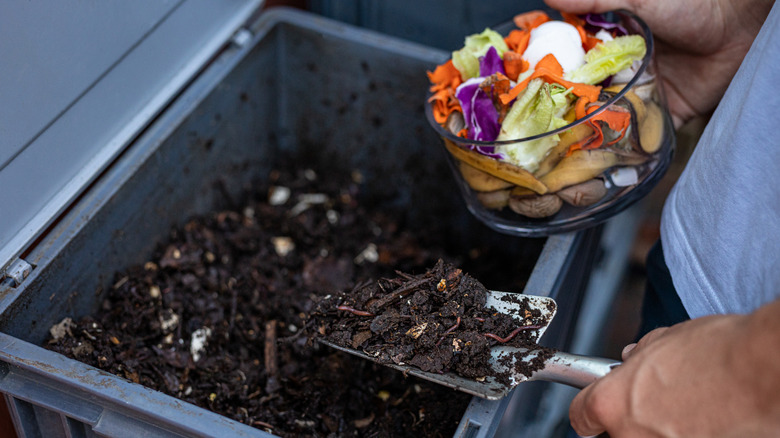
You may be worried about the decrease in access for synthetic fertilizer this year, but the reality is that there are plenty of natural alternatives to explore. In fact, individuals who favor organic practices have been using natural fertilizers for years. While synthetic fertilizers are fast-acting and easy to apply, natural fertilizers can still offer impressive results without risking nutrient overload. Natural fertilizers are an especially good option if you don't need to worry about massive crop yields, since they work slowly to improve the health of the soil. The good news is that natural fertilizer options are literally all around you.
One choice is to purchase cow manure, which is an excellent way to increase vital nutrients that the global crisis threatens — namely nitrogen and phosphorus — in your soil. Failing to test your soil in advance, however, is an important mistake to avoid when using manure in your yard or garden. You can grab a highly rated MySoil Soil Test Kit to discern what nutrients your situation calls for. Planning around the looming fertilizer shortage may also mean turning to common household items that can be used as a natural fertilizer. These include leftover kitchen scraps such as vegetable and fruit peels, as well as coffee grounds and eggshells. By researching the best organic fertilizers to use in spring for your lawn and garden, you can sidestep what could otherwise be a major gardening disruption.