

Ensure You're Using The Right Weatherstripping Material In Your Home With These Tips
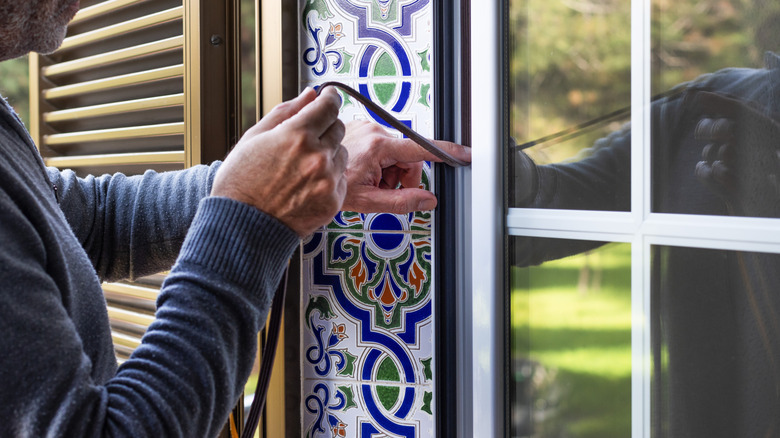
Sealing the gaps around your doors and windows is one of the best tips to keep your home warmer and HVAC running more efficiently in winter. Weatherstripping these features will also prove beneficial during the hot, summer days. Otherwise, your air conditioner will have to work overtime to maintain a cool room. Monsoon season can be problematic as well, with water seeping in through the cracks and inviting in mold. Emphasizing the need for weatherstripping in a home, Leo Alabovitz, the founder and CEO of JMI Windows & Doors, explained in his House Digest exclusive, "Weatherstripping compresses and fills gaps where doors or window sashes meet the frame. Benefits of weatherstripping include protection from dirt, dust and bugs as well as a thermal barrier where moving parts and frames meet." Plus, weatherstripping windows is effective for lowering energy costs.
There are various kinds of weatherstripping materials available to homeowners. "Weatherstripping can be made of felt or foam," Alabovitz explained. "Other materials include vinyl, rubber, silicone and even metal or fiberglass." The best choice depends on where it's being used. And, then, it must be installed well, preferably by a professional. "Small or improper placed weather stripping can lead to vulnerability points in even the most expensive products," he said. Understanding the pros and cons of each material will help you choose the best option for you.
What is the best overall weatherstripping material for homes?
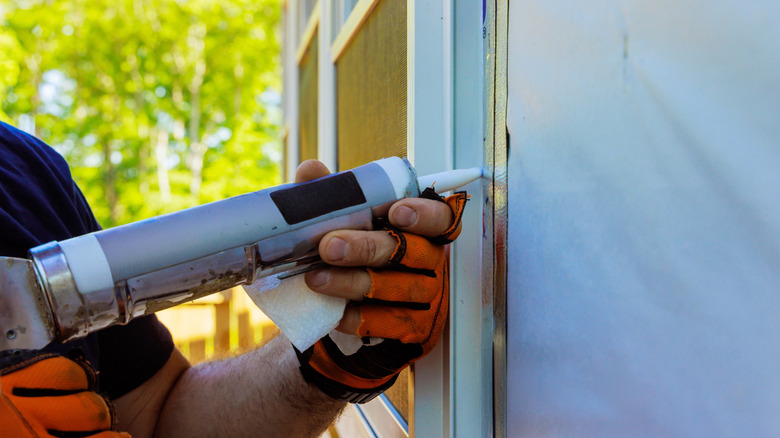
When prompted to share his top pick regarding weatherstripping material, Leo Alabovitz informed us in an exclusive House Digest interview, "The best material depends on the application. For windows and doors, most common is felt and foam or foam with a vinyl skin. These materials are tested to last as long as the products are installed." But though they're quite popular, they aren't necessarily the best options. Talking about their alternatives, Alabovitz added, "Upgrades to these areas include rubber or silicone which could cost more; however, the extra expense may be worth it in the long run."
So, even though the initial pocket pinch will be higher, you'll save yourself from expensive headaches, such as an incredibly fast-wearing seal down the line. "The more you open a door or window, the more friction these items endure," Alabovitz explained. "Weatherstripping is considered a wear item and the more it is used the quicker it can breakdown. Rubber and silicone would last longer and be able to keep a seal longer." But don't just go for the expensive option blindly. Consider the protection you need and what each material offers to pick the right weatherstripping for your home.
Consider weatherstripping with water resistance and durability
The best way to weather strip your windows is to select the right material. Giving examples to help you choose wisely, Leo Alabovitz exclusively told House Digest, "Foam is perfect for sealing from air and dust but foam can hold water. Upgrading from foam to rubber would handle the air and dust sufficiently and will also have an increased [ability] to repel water." He added that vinyl is another option that can resist water, too.
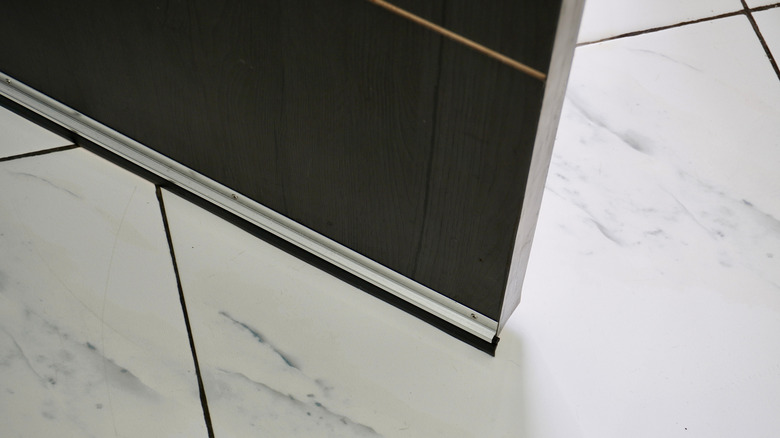
Coming to the kind of sealant option available for doors, he shared, "Door bottoms will have rubber sweeps on the bottom. These sweeps are more acclimated to water. Rain and dew will settle at the bottom of doors and the sweep will divert the moisture from entering the home." This will decrease the chances of mold and mildew setting up shop. Bacteria will have a hard time multiplying, too.
"Depending on the type of door, foam with vinyl is a basic and most [commonly] used material," Alabovitz explained. That being said, if a particular door handles a lot of traffic or requires compression, our expert advised opting for more durable options instead like rubber or silicone. An important thing you should remember is it's okay to ask for help when shopping for the perfect weatherstripping. Further, Alabovitz said, if your initial pick goes awry, you should return the product and find another material best suited to your needs.