

Gardening Safely With Children Includes Testing The Soil. Here's Why
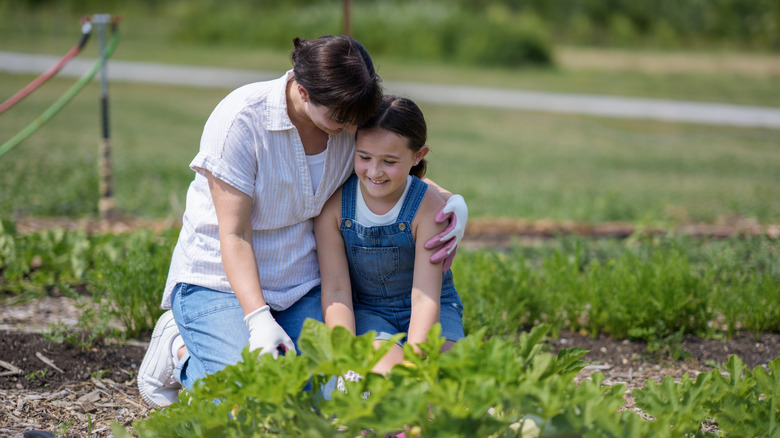
If you have young children, starting a garden can be an excellent opportunity to stimulate their sensory experiences, teach them about the cycles of nature, show them where their food comes from, or just get them outdoors and away from their screens. At a time when childhood mental health issues are increasing, a garden invites physical activity, unstructured play, stress reduction, and better eating habits. Before you invite your child to dig in the dirt, have your garden soil tested to ensure it's free from harmful chemicals that could affect their health. Creating a child-friendly garden, one garden trend worth following, starts with the soil.
No matter where you live — urban, suburban, or rural — someone has most likely lived there before. Dig through your garden and you might find shards of pottery, bits of glass, or other remnants of human habitation. You certainly wouldn't want your child to be playing with bits of glass, but it's the far smaller particles that you also need to worry about. Children can be exposed to contaminants by inhaling dust, putting soiled fingers in their mouths, or eating food grown in that soil. Due to their smaller and growing bodies, children are especially susceptible to exposure to lead, mercury, cadmium, PFAS, and other toxic substances, all of which can have harmful health consequences. According to the U.S. Environmental Protection Agency, common sources of contaminants include old paint, roadway runoff, treated lumber, sewage sludge, pesticides, and many others.
How to test your soil and what to do if it's contaminated
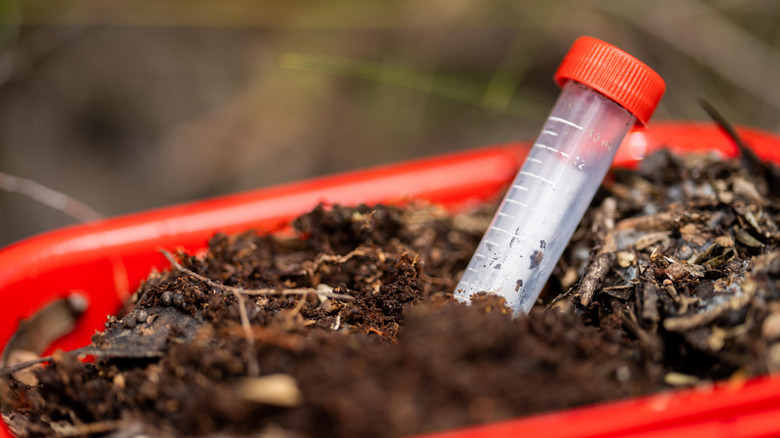
It's a common practice for many gardeners to get their soil tested before they start planting. Some tests are easy to do yourself, such as checking soil type by hand or using a pH testing kit from a garden center. But those tests won't tell you what contaminants are in the soil. A laboratory analysis is needed to assess soil properties at the chemical level. Most states have state university extension services where you can send your soil for testing. Some labs specifically test for certain chemicals, such as PFAS or herbicides. You simply collect a sample of your soil from various areas in your garden and send it in, often in a lab-provided special container to prevent contamination. It's usually not free, but it's a worthwhile investment in your child's health.
When the results come back, you either breathe a sigh of relief or take proactive measures to reduce your and your child's risk. An added benefit is that tests also provide information about nutrient needs and how to amend your soil. If the results prove negative, you'll need to adopt strategies for reducing risk of exposure, such as planting only in an uncontaminated area of your yard, creating a sealed raised bed with clean soil imported from a reputable source, amending the soil to fix imbalances in acidity levels, adopting personal hygiene measures such as wearing gloves and washing hands, or joining a community garden to grow edibles while planting only non-edible plants in your own garden.