

The 2 Herbs That Are Sure To Attract Beautiful Swallowtail Butterflies To Your Yard
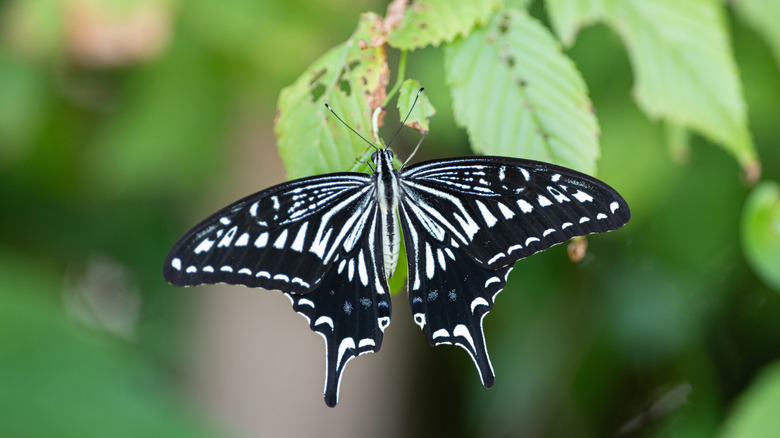
Gardens and yards feel dull without butterflies. These tiny fliers bring movement, splashes of color, and a soft kind of magic that instantly lifts the space. The best part? Attracting them is pretty easy. All you have to do is plant some pollinator-friendly flowers, and these winged creatures will come flying in. However, if you are aiming for something specific, like the beautiful swallowtail butterflies, you will need specific plants. Luckily, though, the plants that attract them also include some familiar herbs like dill (Anethum graveolens) and parsley (Petroselinum crispum). And honestly, attracting swallowtail butterflies is totally worth it. These butterflies are among the largest and most striking butterflies that visit backyards in the U.S., with soaring flying patterns and intricate wings. And did you know swallowtails are also one of those butterfly species that don't migrate?
So, by planting dill and parsley, you can really help them out. Just keep in mind that swallowtail butterflies are of many types. A few notable examples include Anise swallowtail, Eastern black swallowtail, and Old-World swallowtail. Fortunately, though, dill and parsley act as a host for many of them as well. Also, when you plant these herbs in your yard, you are not only attracting and helping the adult butterflies. You are helping their larvae, too. Their caterpillars feed on dill and parsley leaves, and these butterflies even lay their eggs on these host plants. The eggs are tiny and pale yellow and can be seen hanging from the leaves of these host plants. So, next time you are wondering what pest is laying eggs on your garden plants, it may not be a pest at all! Maybe it's those swallowtail butterflies.
Growing parsley and dill to attract swallowtail butterflies
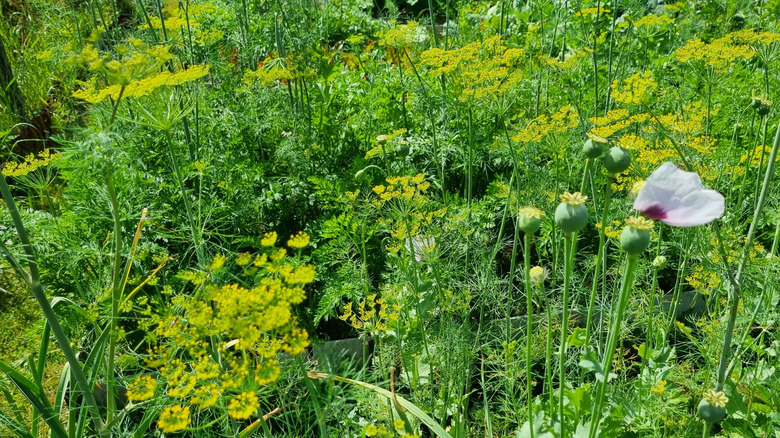
Dill is one of those fast-growing herbs that turn your garden into a butterfly paradise. However, if you want it to grow quickly, you will need to plant it in full sun and soil that drains well. Plus, when planting dill in your yard, don't try to transplant it from other spots or pots. Dill does not like getting its roots disturbed. So, sow its seeds directly in the ground. Also, when you are trying to attract butterflies using dill, group the plants. Don't spread or thin them out if you want to attract butterflies. That is because a dense patch is easier for butterflies to notice.
In addition, keep in mind that dill bolts very quickly when the weather is hot and the soil is dry. And when it bolts, its leaves become bitter and rough, and it flowers. The problem with this is that caterpillars prefer soft, tender leaves. They won't feed as much on hard, rough leaves. So, make sure to add new dill plants to your yard to keep the fresh growth around.
As for parsley, it grows slowly when compared to dill. However, since it is a biennial, it also stays around for longer. For best results, you should plant parsley in well-drained and moist soil with a loose, crumbly texture. Also, give it a small amount of fertilizer early in the season. It will help parsley fill out beds in your yard better and faster. Also, plant parsley near paths or along edges where butterflies can land easily. Don't hide it in between other plants or grow it in small, isolated patches where butterflies might not be able to find it.