

The Shrub You Need To Plant To Keep Your Backyard Smelling Good
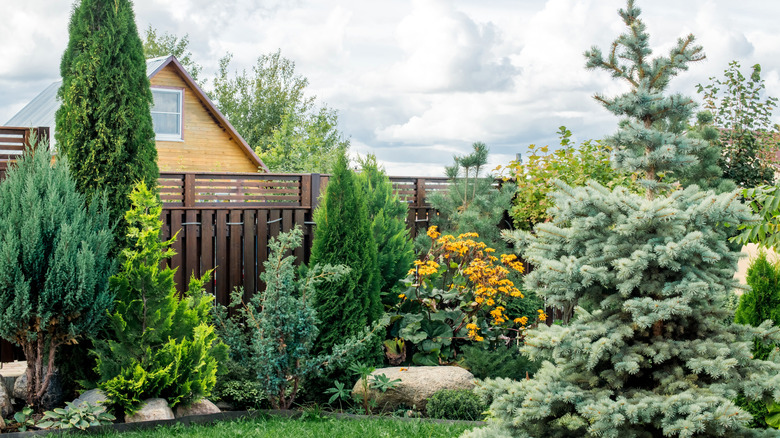
Finding a plant that fills the air with a clean, honey-like scent during the coldest months of the year is a game changer for any gardener. Most people think that gardens have to stay dormant and fragrance-free until spring, but witch hazels actually wait until the temperatures drop before they start blooming. Depending on the species you choose, these shrubs bloom anywhere from between October and April. Common witch hazel (Hamamelis virginiana) is a North American native that produces clusters of thin, yellow petals just as the winter air begins to settle in. The fragrance is surprisingly strong for a cold-weather bloom, often described as a fresh mix of citrus and spice.
Both common witch hazel and the Ozark witch hazel (Hamamelis vernalis) are extremely hardy and grow well in USDA Hardiness Zones 3 and 4 through 8. These shrubs usually reach between 6 and 20 feet tall, which makes them a great pick for a privacy screen or to plant in a large corner in a yard. Before the flowers show up, the leaves turn a bright yellow in the fall, giving the yard one last burst of color before winter hits. Since they bloom when almost everything else is dormant, this is a popular shrub you can grow that pollinators love because it provides a rare food source for insects that may still be active in late autumn or early spring.
Witch hazel grows best in moist, well-drained soil
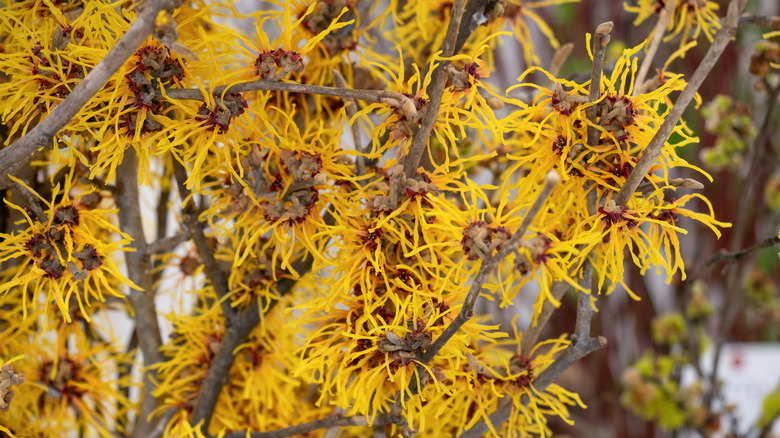
Where you should plant witch hazel in your garden starts with finding a spot that feels like their natural home in a forest. Common witch hazel will bloom first in the late fall (October to December), while Ozark witch hazel, also a North American native, waits until mid-winter (January to April) to open its flowers, which range from yellow to purple. Both prefer soil that stays damp but never gets soggy enough to drown the roots. Loamy soil with plenty of organic matter is the best option for keeping the plants healthy and hydrated. While they can grow in the shade of larger trees, putting them somewhere that gets at least 6 hours of sun will usually lead to many more flowers.
Once they're in the ground, these plants are generally low-maintenance. During the first few years, they need a good soaking once or twice a week to help the root system get established. After that, they are fairly resilient, though they will still appreciate some extra water if the summer gets very hot and dry. Pruning isn't a strict requirement for either species, but if the shrubs start to look a little messy, any trimming should be done in the spring right after the flowers finish. This timing is important because the plant sets its buds for the following year during the summer months.
Proper mulching and spacing help keep witch hazel healthy
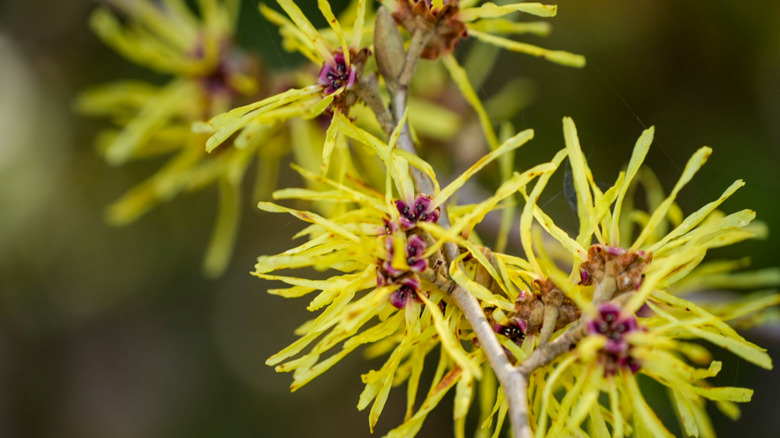
Keeping witch hazel healthy over the years mostly comes down to giving them enough space and keeping the roots cool. These shrubs like to spread out quite a bit, so leaving about 10 to 15 feet between plants is a good rule of thumb. This extra room allows air to move through the branches, which helps prevent issues like powdery mildew that can pop up when plants are too crowded. When the shrub has plenty of breathing room, it can focus its energy on growing its unique ribbon-like flowers instead of struggling with leaf diseases. Just be sure to keep an eye out for the common garden pest that's after your witch hazel plant, the aphid.
Adding a thick layer of mulch around the base of the shrub is another simple way to keep it happy. Shredded bark or wood chips work well to keep the soil temperature steady and hold onto moisture when the sun is beating down in the middle of summer. This prevents the leaves from drying out or turning brown at the edges during a dry spell. As that mulch breaks down, it adds nutrients back into the dirt naturally, so there's usually no need to use store-bought fertilizers. This simple, hands-off approach results in a strong shrub that fills the backyard with a fresh, spicy scent every time the temperature drops.