

23 Roses That Produce A Full Season Of Blooms
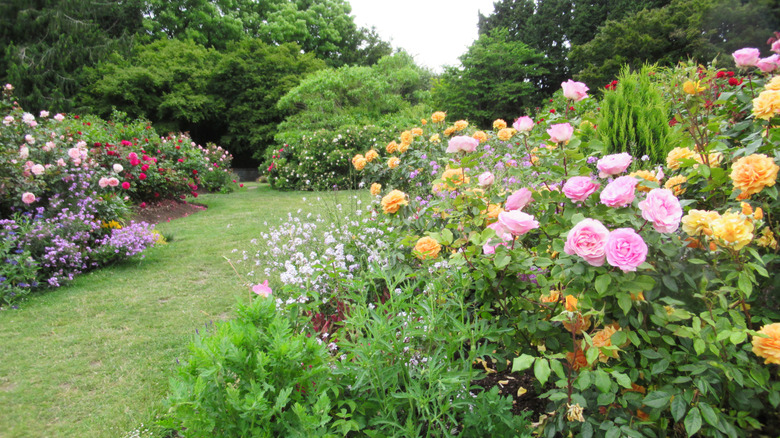
Nobody likes a fleeting romance, not in our lives, and definitely not in the garden. When you go through immense pains to dig a hole, amend soil, and place new roses, you want them to produce a steady color for months on end, rather than going poof after two weeks of glorious display. Fortunately, breeders have propagated many rose varieties, such as Cinco De Mayo, Scepter'd Isle, Pink Double Knock Out, Peach Drift, and Portlandia, that create a perpetual stream or repeat flush of blooms. Having them ensures your landscape remains draped in a mix of fresh buds, velvety flowers, and fading petals all at the same time.
The key to enjoying a continual display, however, lies in offering the best cultural conditions. To encourage more blooms, water and fertilize roses frequently during the growing season and mulch the beds for greater moisture retention. Unless they're the self-cleaning variety, like the Blushing Knock Out, which drops its own petals, you should diligently deadhead — remove the spent flowers — so resources aren't wasted on seed production. But you can stop deadheading after the last flush (before frost), so you have a few rose hips to spruce up the winter landscape. With that said, here are some beautiful roses that earn their keep by offering a season full of blooms.
Blushing Knock Out
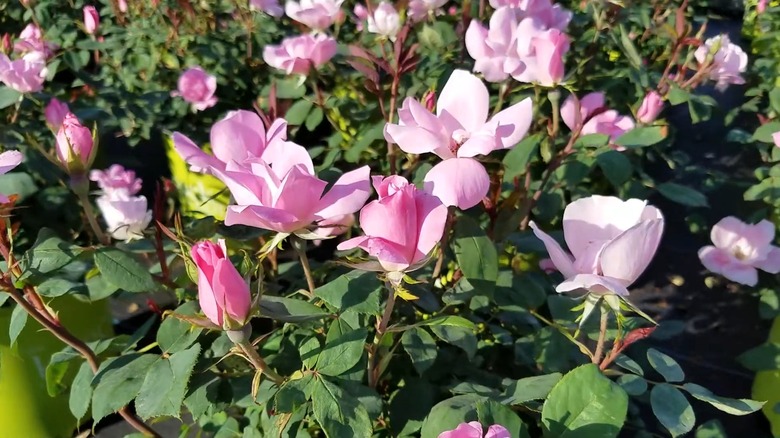
Blushing Knock Out rose is one pink rose variety you need to make a blushing garden. In spring, against the mossy-green foliage emerge delicate pink flowers that pale with time. The best part, though? You can enjoy this profuse display continuously through frost without much effort, as these roses are self-cleaning. Blushing Knock Out grows about 4 feet tall and wide and can be mass-planted in foundation beds and mixed borders. It thrives even in humid conditions and resists rose diseases like powdery mildew and black spot, making it excellent in southern gardens. It is cold-hardy to USDA Hardiness Zones 5 through 11.
Peach Drift
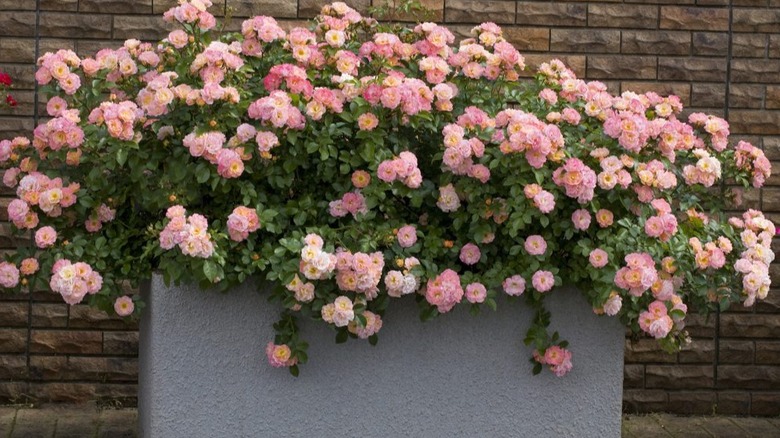
Consider carpeting your garden in Peach Drift roses to make it pop. From mid-spring all the way through a hard frost, their foliage is continually decked in sprays of double peachy blooms that infuse the surrounding air with a floral honey aroma. Peach Drift maxes out at 1 ½ feet and is also suitable for patio containers. It's also known to perform well in elevated and hilly gardens, provided given full sun exposure and humus-rich, well-draining soils. You may grow it as a perennial shrub in zones 4 through 11.
Kew Gardens
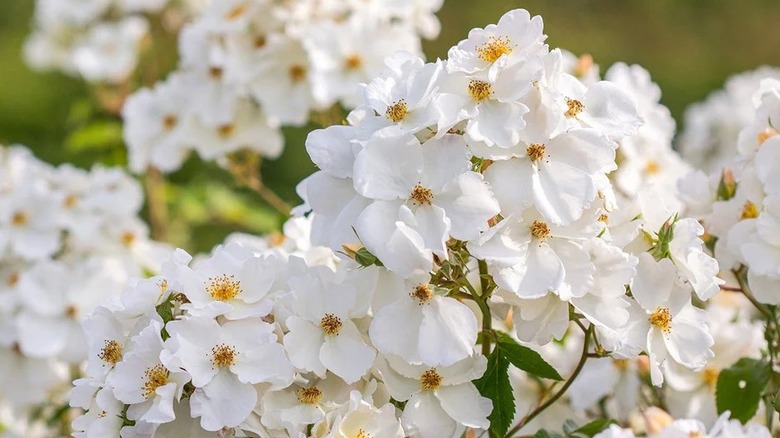
David Austin's Kew Gardens rose is a unique species because the flowers resemble hydrangeas, rather than roses. Apricot buds unfurl white petals in the summer and often extend their display into fall if you regularly deadhead the spent flowers. Leave these repeat-blooming shrubs in ornate containers on your patio or deck to breathe in their musky fragrance, or grow them into a lovely, dense hedge. Fortunately, they don't have many thorns, but they do draw in lots of bees. They tolerate partial shade as well as full sun in zones 5 to 10.
Louise Clements
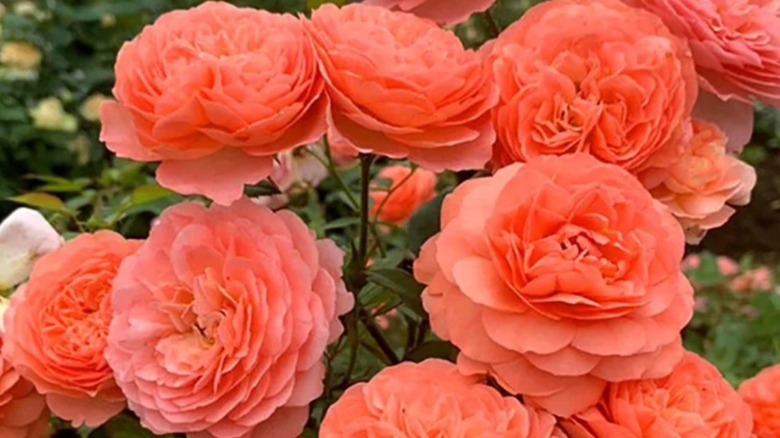
An exclusive introduction from Heirloom Roses, Louise Clements rose adds a rare flair, despite the somewhat old-fashioned look. The bronze-green leaves are overlaid with highly fragrant, ruffled flowers that can hold over 70 copper-hued petals, which later fade into light pink. As it produces a steady stream of flower clusters throughout the season, your garden is unlikely to look drab or boring. It forms a uniform mound of 4 feet and looks just as good in ornate pots as in garden beds. It is suitable in zones 5 through 10 and usually remains trouble-free as the foliage has decent disease resistance.
Pink Double Knock Out
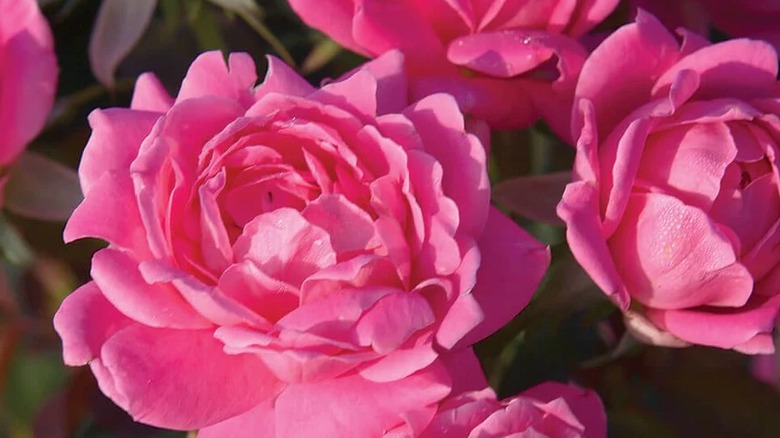
If all your previous rose plantings failed to grant you that gorgeous pop of color that powers through peak summer heat, try Pink Double Knock Out roses. They have excellent heat tolerance and can bloom non-stop in clusters throughout the growing season, until the first seasonal frost. Although they aren't fragrant, they're popular with bees and beneficial insects. Bubblegum pink flowers are packed with over 30 petals, which gives them a fuller, double appearance, and this color deepens into rich magenta over time. You can shape these shrub roses into a flowering hedge in zones 5 through 11.
Cinco de Mayo
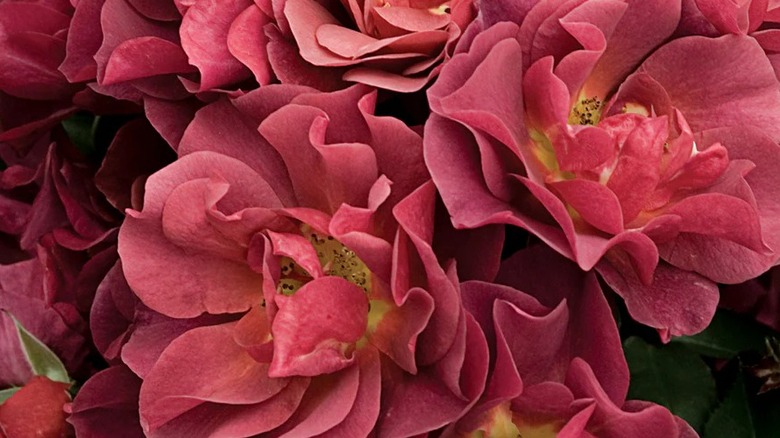
An All-America Rose Selections (AARS) winner, the Cinco de Mayo rose is sure to become the highlight of any garden or container it's in. Long stems support heavy clusters of copperish pink and lavender blooms throughout the summer, weaving a stunning contrast with the green foliage. In some areas, the display can last into early fall months, imparting the air with a sweet fragrance. For this display, plant these continually-blooming floribunda varieties in an area receiving at least six hours of direct sunlight. Although cold-hardy through zone 6 to 10, be sure to mulch the beds in winter.
Iceberg
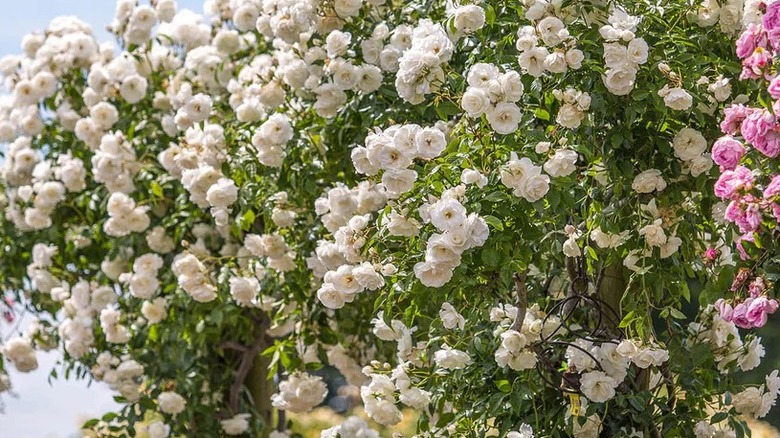
A climber that offers quick coverage, smells divine, and produces huge flower clusters? That's Iceberg rose for you. This repeat-flowering floribunda rose produces pink-touched white blooms all summer long and then some more until the seasonal frost. Train it over an archway or nestle it next to a wall. While it adapts to most soils, this rose should drain well and be sited in a full sun area. Iceberg is cold-hardy to zones 5 through 11. Sometimes, it's also available in a shrub form that grows about 4 feet high. Avoid planting it in humid areas, as it's susceptible to black spot disease.
Carefree Beauty
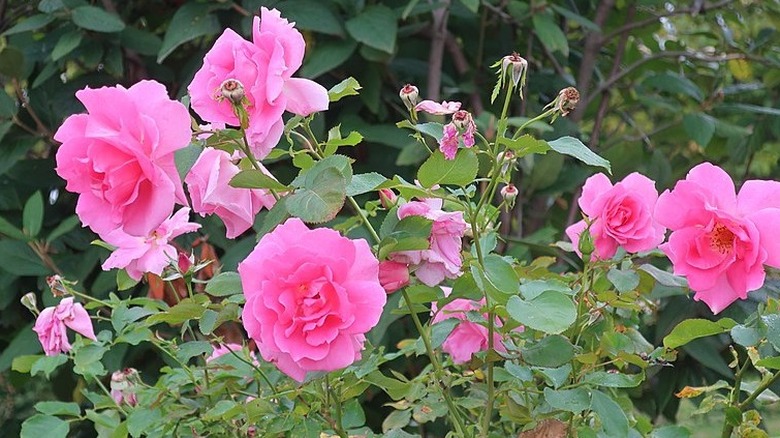
A part of the Buck Roses collection, Carefree Beauty rose is a highly cold-tolerant variety that can grow in zones 4 through 10, often without winter protection. It forms a well-rounded mound, which is continually covered in clusters of bold pink flowers. Their shades lighten over time without detracting from the overall aesthetic, even in the dry southern heat. If not deadheaded, orange hips replace the dead flowers, offering lovely winter interest. Carefree Beauty can withstand powdery mildew and black spot. Use it as a specimen or drifts of five in mixed beds and borders.
Lady of Shalott
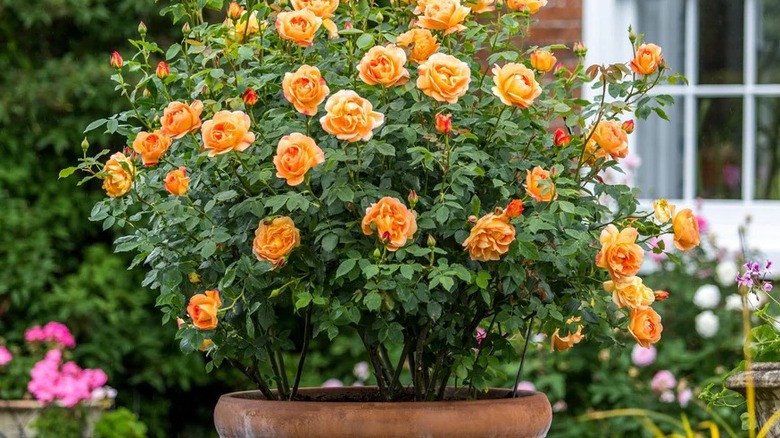
Lady of Shalott is a stunning shrub rose from David Austin that many gardeners seek for its continual blooms, spicy tea fragrance, and disease resistance. They kick in summer with reddish-orange buds that, over the season, reveal a mix of salmon pink and bronze orange petals. Even the mid-green leaves have golden undertones in their initial phase. Contrast these beauties with blue-flowering perennials like salvia or catmint in mixed beds, or use them in a cutting garden — the flowers last a long time in vases. They grow successfully in zones 4 through 11 in full-to-part sun exposure.
Scepter'd Isle
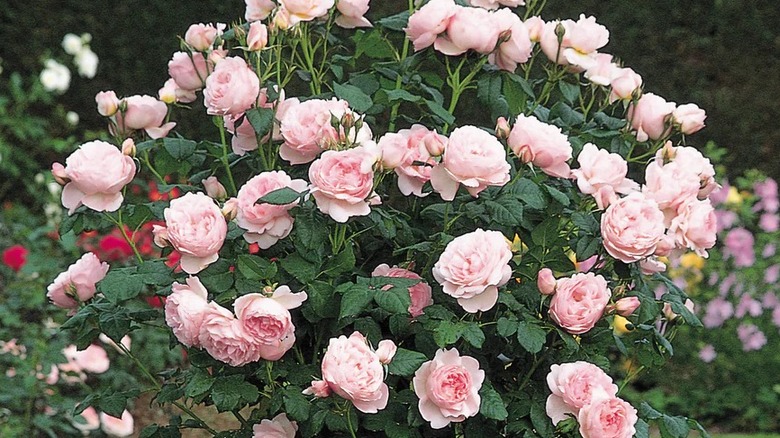
Are you looking for rose varieties that will make your garden smell heavenly and chock-full of gorgeous blooms? Try Scepter'd Isle rose. She perpetually blooms cup-shaped pink blooms that cradle yellow stamens from late spring through frost, which exude a strong, myrrh-like fragrance. Be sure to give her a nice trim during the summer to encourage faster budding. In addition to full sun, Scepter'd Isle tolerates partial shade, making her valuable around north-facing walls. Thanks to high disease resistance, it's usually a worry-free addition in zones 5 through 11.
Moonlight in Paris
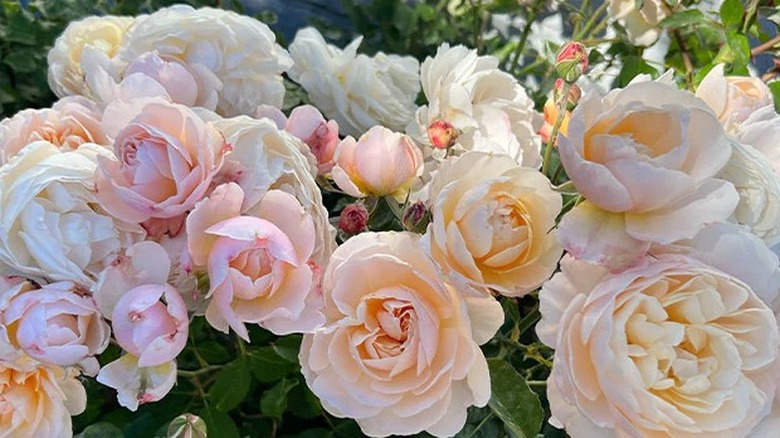
Inject a bit of romance in your garden with the ethereal beauty of the repeat-blooming Moonlight in Paris rose. Throughout the growing season, she produces waves of cupped gold-centered blooms that may be apricot or pink, depending on where they're at in their flowering cycle. These shrubs grow nearly 4 feet wide and slightly taller. You may plant them en masse in sunny beds or containers where you may enjoy their spicy, fruity fragrance. Adaptive range runs from zones 6 through 9.
Hot Cocoa
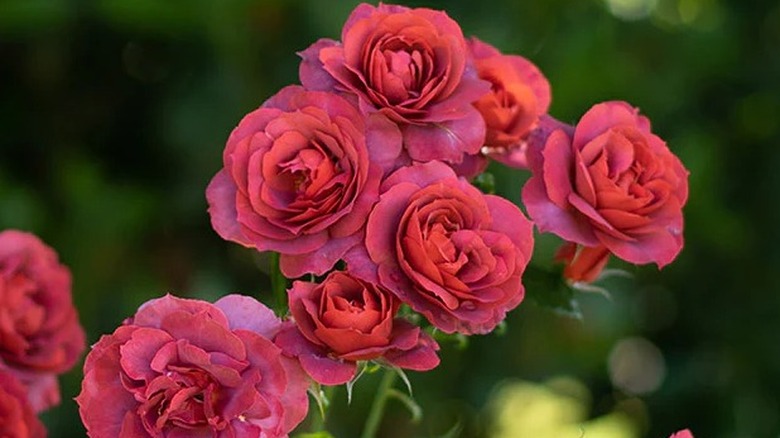
Also sold under the names Hot Chocolate, Nubia, and Kiwi, Hot Cocoa rose is a ravishing beauty you should consider adding to your gardens if you live in zones 5 through 10. From spring through late fall, its tight mound is continually clothed in chocolatey brownish-orange flowers that hold their place through rain and heat. Hot Cocoa has a fruity fragrance and can be cut for indoor arrangements. Mulch the beds in winter and prune out damaged tissue in early spring for the best performance.
Coral Knock Out
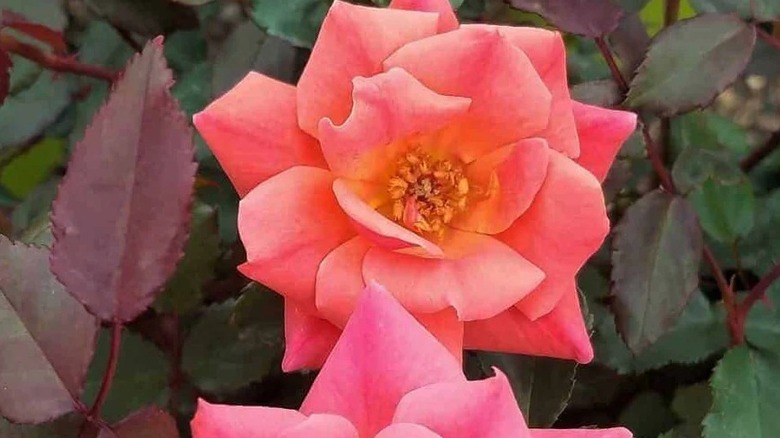
Planting Coral Knock Out roses is a fun way to refresh your garden's color scheme. They offer excellent, steady color through both their flowers and foliage. Initial leafy growth is bronze-red and turns a dark green in summer. By the end of spring, their bushy mound is covered in multiple clusters of orange flowers that last through summer and sometimes into early fall. Southern gardeners will especially enjoy them for their ability to hold onto their color through the summer heat. You can grow them successfully in zones 5 through 11 in garden beds as well as containers.
'Mutabilis'
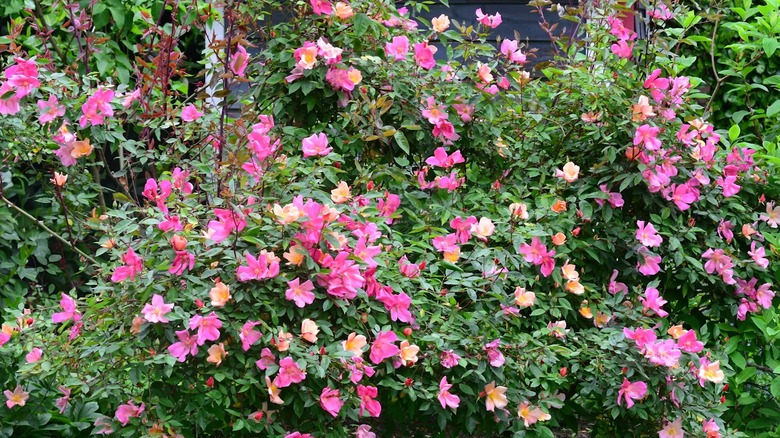
A China rose variety, 'Mutabilis', is an excellent addition if you're looking to make a color splash with a single shrub in zones 7 to 9. Save for a short mid-summer break anytime throughout the growing season, you will notice a mix of yellow, copper, red, and crimson petals that resemble butterflies in action. If you don't deadhead the spent blooms, you may also find heaps of orange hips. Red stems support purple leaves that age into green. This repeat-blooming heirloom variety is highly fragrant and has decent disease resistance.
Westerland
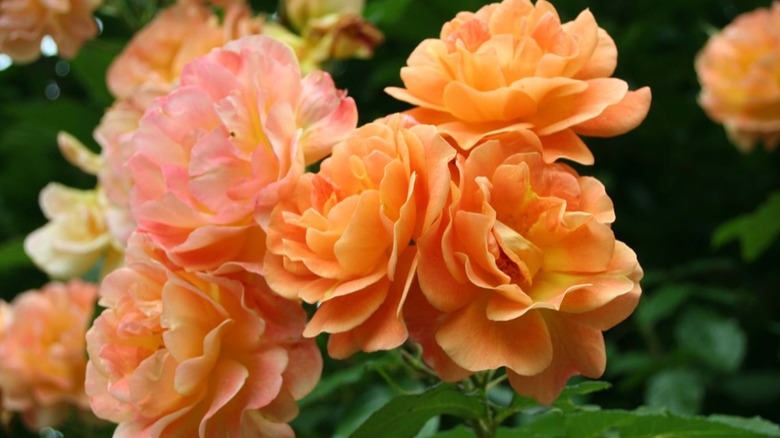
The Westerland rose looks absolutely glorious throughout the season, as it's continually laden with large, apricot blooms. These blooms produce a nice contrast with the bronze-green foliage while drawing in butterflies and bees. Plant them where you can enjoy their marvelous fragrance, though be warned: they're thorny. Westerland can tolerate poor soils and partial shade, but if you're focused on making them a focal point, offer them organically rich, moist soils sited in full sun. In zones 5 through 9, Westerland can be lined up along a fence or an obelisk as a flowering climber or grown as a shrub.
The Pilgrim
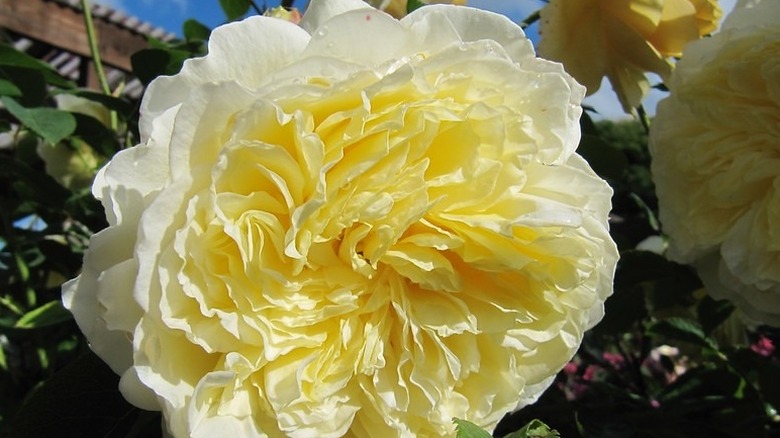
With The Pilgrim rose, expect to begin your own journey, as you follow the buds gradually opening into a billowy mass of yellow petals. Throughout summer and fall, you'll find a constant supply of multiple flower clusters covered in bees. Hardy in zones 5 through 10, The Pilgrim grows as a 4-foot-tall shrub in northern regions, but can be trained into a climber in mild climates. However, it may grow sparse at the bottom, so either pot it up or mask the base with perennials. You can cut the flowers for floral arrangements, where they'll regale everyone with their myrrh fragrance.
Lichfield Angel
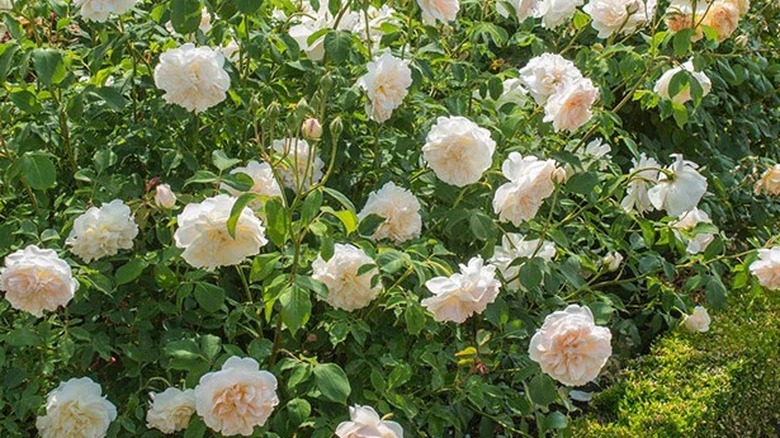
Another charmer from David Austin, Lichfield Angel rose looks almost ethereal when peachy buds unfold creamy apricot petals perpetually over the season. The luscious, green leaves develop the contrast further, while the slight, clove-like aroma enhances its appeal. Lichfield Angel has a uniform, dense habit and is great for mini hedges. Better yet, it rarely produces any thorns. It can winterize successfully in zones 4 through 11, though young plants may require protection during hard freezes. You can grow it in partial shade if a full sun site is unavailable. It adapts well to most soils, even lean ones.
Cherry Parfait
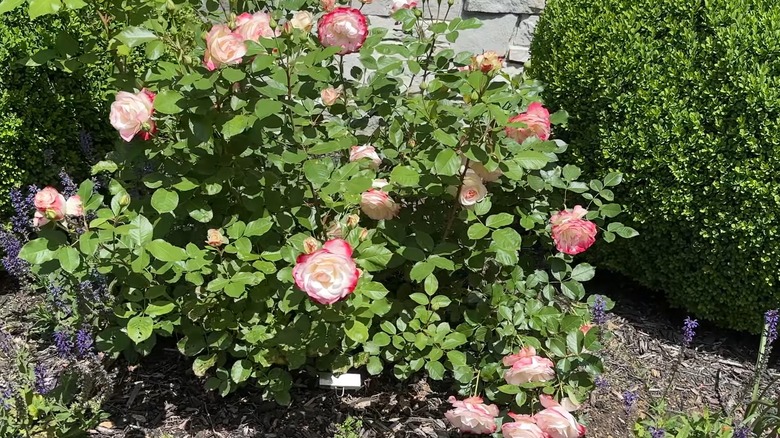
Throughout spring, summer, and fall, Cherry Parfait rose freely produces elegant bi-colored white blooms with vermilion red borders. They're considered reliable performers in zones 5 through 9, as they retain their color and form even in heat and are quite cold-hardy. Their foliage is resistant to black spot and mildew. Since they retain a compact form, most gardeners find them a spot in beds, hedges, or containers. You may find them for sale under other names like Fire & Ice, Diamond Rose, and Ice Cream. Keep in mind, they require annual spring pruning to remain vigorous and sprightly.
Midnight Blue
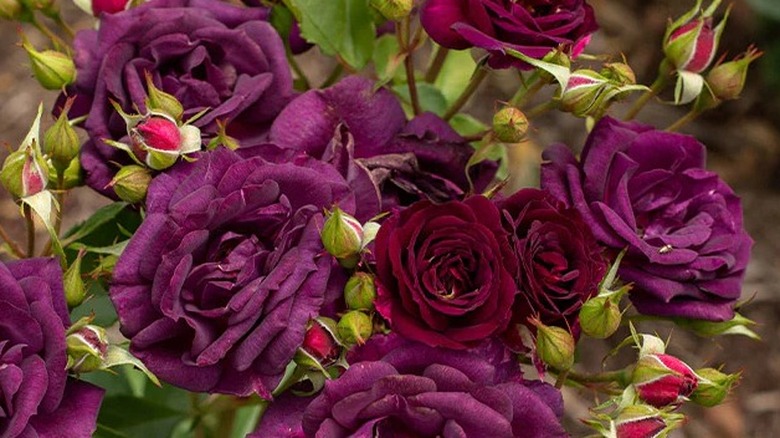
Want to make your space truly pop? Get Midnight Blue rose. Beetroot red buds reveal deep, purplish-black blooms with mauve undersides and remain on near-constant display during the growing season if deadheaded regularly. They have a strong, clove-like fragrance and are quite popular with the bees. Although hardy in zones 6 through 10, you may have to contend with black spot disease in humid areas. Spacing them at least 2 feet apart can help improve air circulation, thereby lowering disease risk.
'Sally Holmes'
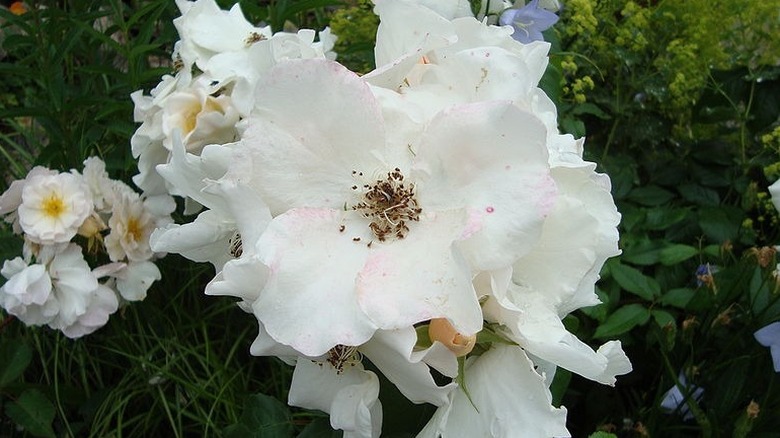
'Sally Holmes' is another rose species you can grow as a thick shrub or train to climb structures if you give her full-to-part sun exposure, moist soils, and keep her beds mulched. She has earned acclaim for producing massive clusters of ivory white flowers with long yellow-stamens that are on continuous display from spring through frost. Moreover, the canes are mostly free of any prickles, making them safer around high-traffic areas. Disease-resistant for the most part, 'Sally Holmes' can struggle with black spot in humid conditions. You can grow her perennially in zones 5 to 9.
'Louise Odier'
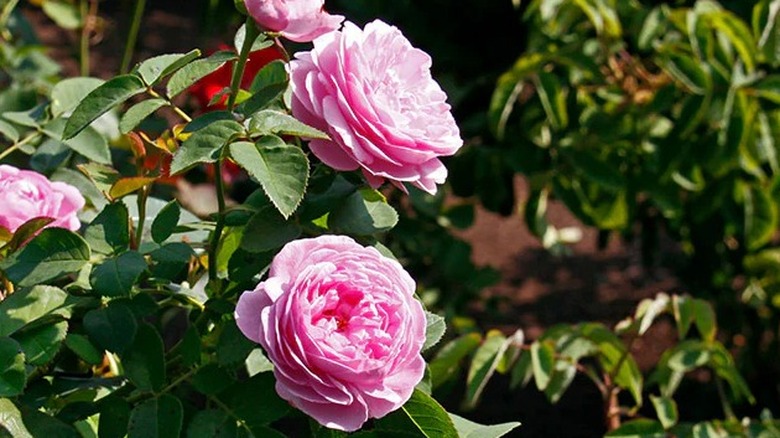
Imagine planting a rose that could pass off for a camellia? That's exactly what's in store for you when you plant Louise Odier roses. Truly spectacular, they're a continual bloomer, promising a rush of rich pink petals for as long as the weather is amenable. Moreover, Louise Odier smells marvelous and is sure to make your kitchen table or living room smell wonderful if brought inside as a cut flower. Since she has an old-fashioned look, she shines in cottage or vintage gardens, or popped into antique containers. This stunning species is cold-hardy in zones 5 to 10.
White Knock Out
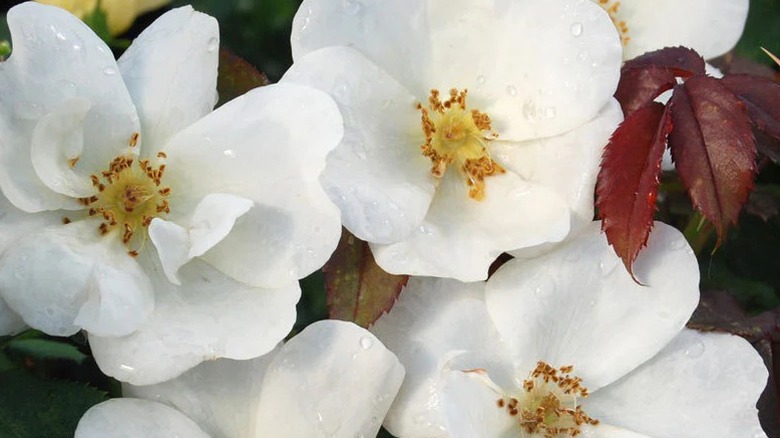
If the worsening climate crisis has you worried about your plantings' resilience, consider growing White Knock Out rose. At the 2017-2019 WUCOLS trials that test plants under various irrigation regimens, it emerged as a Blue Ribbon Winner. This proves it's an excellent addition in drought-prone areas because it remains productive even with little irrigation. On top of that, it attracts pollinators. As a gardener, you would love the gorgeous contrast they bring to the beds with their yellow-eyed, white flowers that appear non-stop from spring until early fall against near-black foliage. They're ideal in zones 4 through 11.
Portlandia
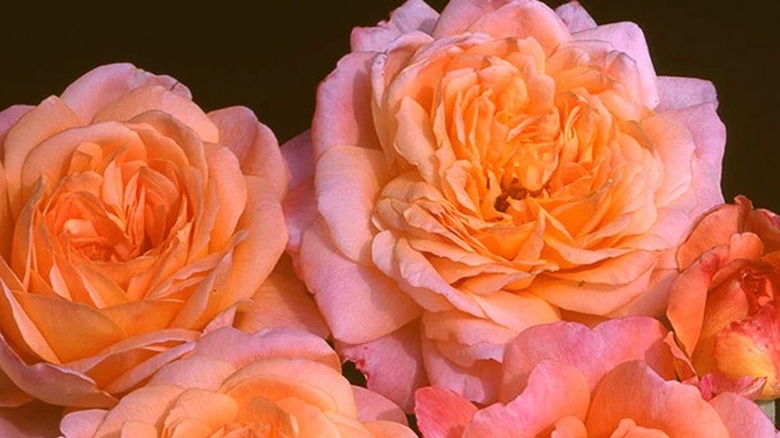
Portland's Portlandia statue may not be as big an icon as the Statue of Liberty, but the rose variety named after it will surely become the one true showstopper of your garden. This deciduous shrub or climber, if you've shaped it into one, is constantly decked in multi-hued flowers carrying undertones of apricot, orange, and pink throughout the season. Above all, a single truss produces enough flowers to fill out an indoor vase and fill the air with a pleasant fruity fragrance. Portlandia grows well in zones 5 through 10 when given full sun exposure and shows high resistance to diseases.