

The Fast-Growing Stunning Blue Flower That Birds & Butterflies Can't Resist
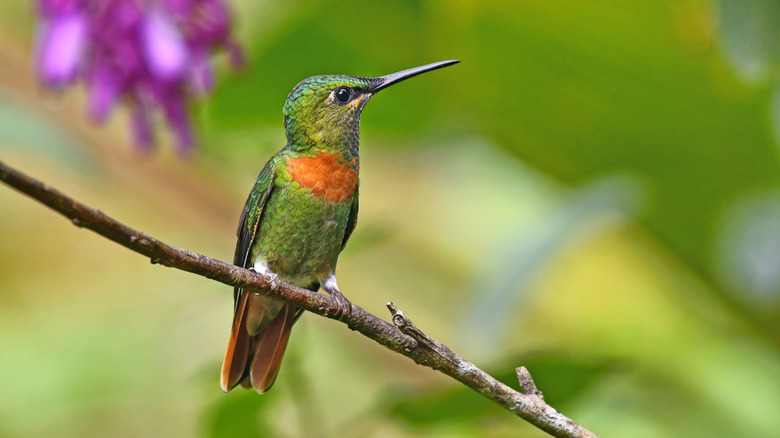
If your garden is feeling a bit lackluster this season, you may be wondering how to bring more life to your carefully cultivated flower beds. While you could try adding a greater variety of plants to further elevate its visual appeal, you can also try bringing your garden to life by attracting wildlife. After all, with their bright array of colors and aerial antics, it's animals like birds and butterflies that make the difference between a good garden and a great one. And, with this fast-growing flower, you achieve the best of both worlds by attracting wildlife and adding vivid blooms to your garden.
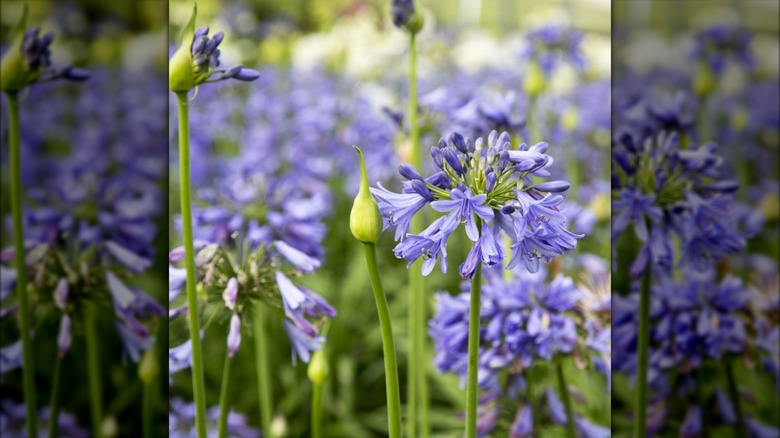
The trademarked Ever Sapphire agapanthus (Agapanthus hybrid 'ANDBIN' PP26336) is a fast-growing and hardy plant that thrives both directly in your garden and in a container. This agapanthus hybrid begins blooming in late spring and continues to do so throughout the summer, showcasing stunning tubular blue blooms that remain resistant to deer and rabbits while attracting birds and pollinators. Paired with their overall low maintenance and easy growing, they can be an ideal plant for beginner gardeners looking to bring a bit more wildlife appeal to their outdoor spaces.
In order to achieve those wildlife-friendly flowers, however, it's important to give your plant the optimal growing conditions possible. After all, a healthy, thriving plant produces more flowers, which in turn draws in more of those hummingbirds and butterflies.
How to grow agapanthus to attract wildlife
The first step to growing any plant, when it comes to starting a pollinator garden, is to decide whether you grow your chosen species as an annual or a perennial. The Ever Sapphire agapanthus is an herbaceous perennial, making it perfect for lower maintenance in the long term, but you'll need to be in the right area to take advantage of that characteristic. This hybrid is winter hardy in USDA growing zones 8 through 11; outside of this, you may need to grow it as an annual or instead overwinter indoors.
You'll also want to pay attention to its growing environment and day-to-day care. For example, this agapanthus hybrid grows well in both partial shade and full sun. Full sun is often the optimal choice for producing the most wildlife-friendly flowers. However, if you live in a warmer climate, full sun can do more harm than good, and it may be best to instead opt for partial shade, specifically sun during the morning and shade in the afternoon.
Overall, this plant is fairly low-maintenance. It doesn't require any pruning, and, as a moderate feeder, you'll need to fertilize it regularly but not frequently. It is important to pay attention to water, however. It prefers moist, well-draining soil, and it shouldn't be allowed to dry in between waterings during the growing season. You may need to pay closer attention to its moisture levels when planting in full sun or a container, both of which could lead to soil drying faster.