

The Modern Twist On This Ancient Technique Can Save Money On Heating And Cooling

Do you dread the warmer months and the soaring cooling bills they bring? Are you in a part of the world where cold weather is as costly as it is unbearable? Modern heating and cooling technologies have come a long way, but they can still fail. Even the best systems benefit from supplemental help carried over from ancient times, especially in a world where temperatures are rising and extreme weather happens more often. And it's no secret that home electric prices are out of control in the United States. If you want (or need) to reduce your reliance on heating and air conditioning, there's wisdom in adapting passive heating and cooling methods that were in use long before HVAC was a common acronym. For an answer to saving money on heating and cooling, try putting a modern spin on this ancient heating and cooling practices by using vents, awnings, and blinds to keep out the heat, trying night flushing, investing in evaporative cooling, or using modern radiant heat.
History shows that wherever there have been temperature extremes, humans have come up with solutions. In Egypt, "wind catchers," towers that directed wind toward the home, have been used since 4000 B.C. Another ancient technique still in use today involves storing water in a terracotta pot so it gradually evaporates, cooling the air. Chinese, Korean, and later Roman civilizations had systems for radiant heating under the floors of houses, and heat-absorbing materials like stone were widely used to keep homes warm and cozy at night. You don't have to construct a wind tunnel or rebuild your home in a different material to put centuries-old heating and cooling knowledge to work, however. Modern-day solutions involve materials appropriate to the climate, thoughtful ventilation strategies, and plenty of shade.
How age-old cooling wisdom is used in modern homes
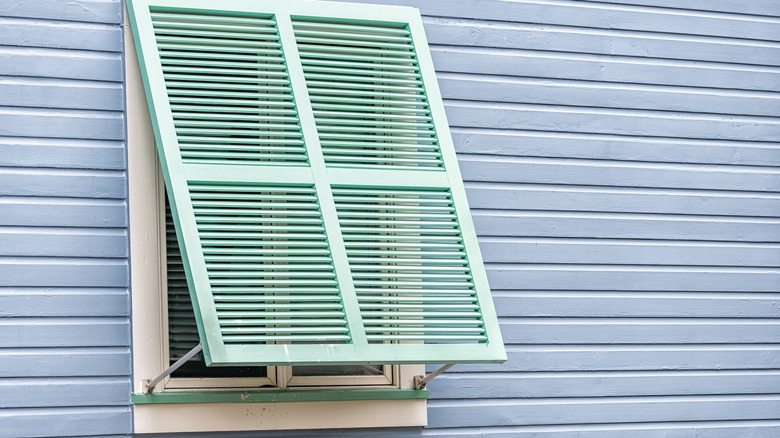
The way passive heating and cooling shows up today may not seem dramatic, but the savings from using it can be. Shading in the form of trees or shrubs, shutters on the outside of your windows, or blinds indoors are helpful passive heating and cooling strategies wherever you live. Adding these elements, and planning which windows to open based on the air flow, can provide cooling benefits like a wind catcher or terracotta shade used in ancient India would. Evaporative coolers harken back to the terracotta pots of old, taking in air from an open window so it flows over a moist surface and provide an energy savings when compared to central air conditioning. Conversely, there are modern-day electric systems that employ radiant heat (similar to the under-floor heaters of the distant past), which outshine hot-water based heating systems in terms of efficiency, cost, and ease of installation.
Night flushing is another ages-old passive cooling that has been adapted in recent years. Like ancient buildings that used materials that expelled warm air at night, it involves opening the windows when it gets dark or installing new window systems that do this automatically. The newer systems add in sensors that can close the windows when it's too rainy or windy to keep them open. Although the night flush method is not always effective in the dead of summer heat or in very hot climates, in relatively mild weather, it can reduce air conditioning use, and therefore, your cooling bill.
How to make ancient techniques work for you
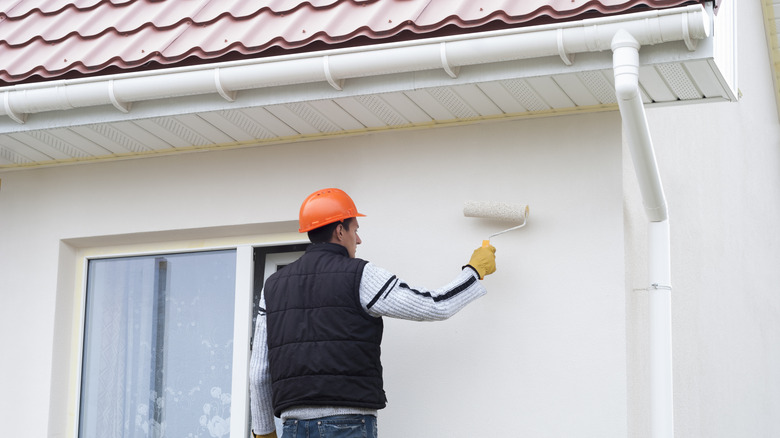
Individual ability to make use of ancient heating and cooling technologies will vary. If you're custom building your home, there's flexibility to build with the temperature in mind. Larger windows can draw in more heat, while creating cross-ventilation with the positioning of doors and windows improves ventilation for more efficient cooling. The direction of your home matters in design; if the house's longest wall is south-facing, you'll capture more heat in the winter, for example. But most people will be adjusting their existing spaces. Painting your home's exterior in a light or reflective color is a simple change that can reduce the amount of heat the structure absorbs. Putting solar panels on the roof will not only help you save energy — they've also been shown to reduce the amount of heat the building takes in, which can provide cooling relief. And if you already have a brick building or cement or stone is incorporated into the exterior, you may already be benefiting from some of its ability to keep the inside temperature steady.
What works best will also depend on the particulars of your climate. Modern evaporative coolers that move outdoor air over wet pads are air conditioner alternatives worth trying in a dry climate, but may not help much if there's high humidity. If your region has a mix of dry and cool weather, it might help to use a building material that can keep in the heat when needed and use a night-flushing system in the summer. Monitor how cold and hot it can get and pay attention to weather trends before you try one of these time-tested ways to stay comfortable throughout the year.