

This Furniture Style Was Everywhere In The 70s — Here's How To Give It A Modern Upgrade
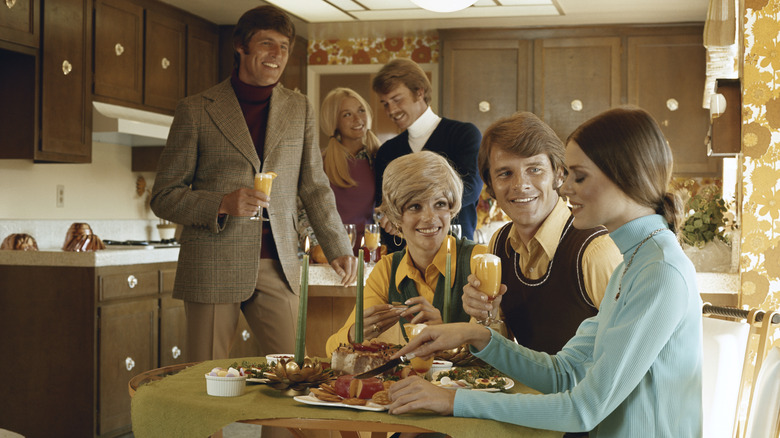
Stepping into a vintage store or strolling through a local estate sale usually means running into a lot of heavy Colonial Revival furniture from the 1970s. Chunky maple trestle tables and bulky pine hutches with those ornate, brass-plated batwing pulls once defined the look of the era, filling up homes with so much amber-toned wood. While these pieces have solid bones and real wood construction that puts modern flat-pack furniture to shame, their original finishes often feel very dated. The heavy honey-oak sheen and Early American stains that were so popular back then can make a room feel small and stuck in a different decade, and not in a good way. The current brown furniture revival suggests these pieces are ready for a modern upgrade, fitting perfectly into the vintage-inspired furniture trend that's making a comeback. Just changing the finish and hardware can turn a clunky find into a high-end statement piece.
Giving these '70s staples a fresh look starts with removing the glossy, orange-tinted varnishes. The most effective way to modernize a Colonial piece is to strip the old finish entirely to reveal the natural wood grain underneath. Many designers are leaning into raw wood looks or applying products that neutralize the orangy tint of the wood. This process takes some patience and a good sander, but the result is a piece that looks like it came from a high-end showroom rather than a garage sale. By removing the thick plastic-like topcoat, you let the natural texture of the wood take center stage.
Painting or restaining can transform solid wood Colonial finds
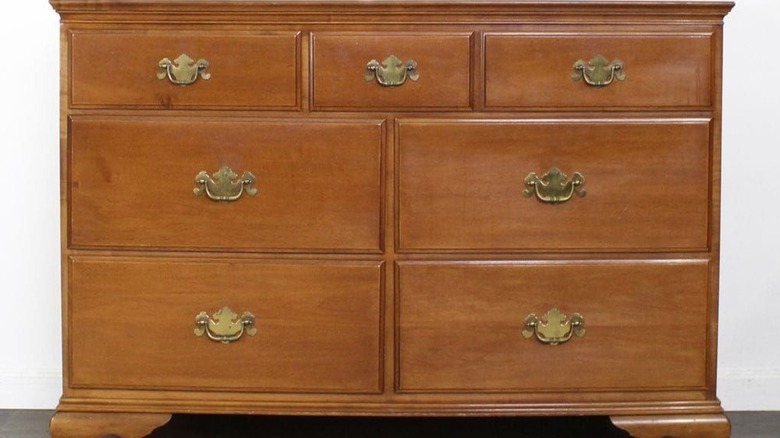
For those interested in a painted finish, a solid, opaque color is an excellent way to give a '70s-era Colonial piece a different personality. Many decorators suggest using deep charcoals, forest greens, or even a soft mushroom beige to give dated furniture a more modern look. Following this advice on incorporating 1970s-style decor into your home allows you to use vintage furniture while updating the style for today. Since these items were built with solid wood, they take paint beautifully and hold up well over time compared to modern particle board alternatives. Modern DIYers often use water-based acrylic enamel paints because they offer incredible durability and a leveled finish that looks good even if it's brushed or rolled on. These paints cure to a hard, scrubbable finish that resists chipping while having a low-luster look. This transformation can make a bulky '70s buffet or dresser look more streamlined, allowing it to be repurposed as a media console or dining room storage piece.
Restaining is another option that preserves the wood while completely changing the vibe. Because these Colonial revival pieces were often built from oak, pine, or maple, they can handle being stripped of their yellowed varnish. Using a pre-stain conditioner is an important step for softer woods like pine and maple to prevent the new stain from looking blotchy. For a professional-grade finish, many opt for oil-based penetrating stains, while beginners often do well with more forgiving gel stains.
Swapping out old hardware offers an instant facelift for Colonial furniture
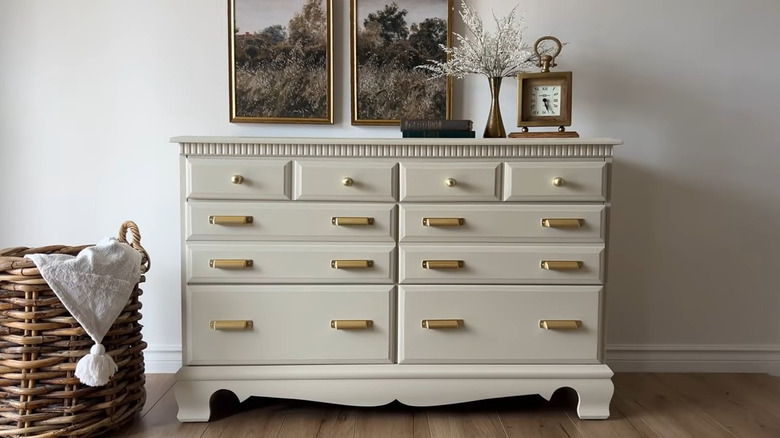
One of the most overlooked parts of 1970s Colonial furniture is the hardware, which often featured over-the-top flourishes or stamped metal designs that now look dated. Swapping out old handles is an easy, affordable way to give vintage furniture a modern update. Removing those ornate pulls and replacing them with streamlined, modern options can completely change the look of a dresser or hutch. Think about installing matte black knobs, brushed brass bars, or even leather pulls for some texture. If the original holes don't match up with modern sizing, fill in the holes (before painting or staining) with wood filler or a two-part epoxy, and measure the new hardware to drill new holes. This small change can make the piece feel lighter and more modern.
Picking out the right hardware style is about finding a balance between the original lines of the furniture and the rest of your home. To get a high-end look that respects the piece, try hardware that pulls the furniture into the present instead of forcing a look that doesn't work with the piece. A lot of designers suggest using a mix of knobs on the top drawers and longer pulls on the bottom drawers for a more custom look. Treating hardware as a finishing touch helps tie the piece into other metal accents in your home, like light fixtures or drawer pulls. This cohesive approach makes sure your upgraded '70s find looks like a deliberate choice rather than a garage sale leftover.