

How To Prevent Ground Wasps (Before They Become A Problem)
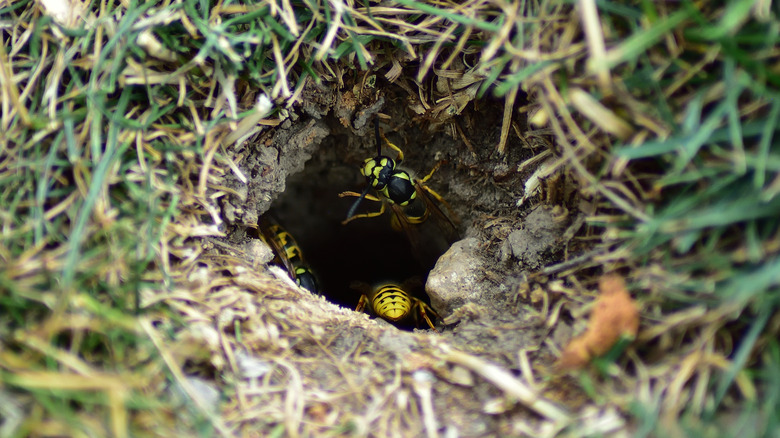
Let's face it: No one wants a hoard of wasps buzzing around their garden, and if there's a way we can prevent them from coming any closer to our flower beds, patios, and homes, we will take it. While, like any pollinators, wasps are essential to our ecosystem and can even act as a kind of pesticide, they can also be aggressive pests that can sting you, causing pain and, in rare cases, deadly allergic reactions. Ground-nesting wasps, which burrow in dry soil, can be unfortunate surprises when you stumble upon them in your yard. There are a few ways you can ward them from your property before they become a problem, including filling in holes in your lawn, keeping food sources, like trash cans and fallen produce from your garden, and spraying insecticides.
There are above-ground wasps like hornets, which build their nests in trees or eaves, and there are the ground-nesting wasps, like cicada killers and yellowjackets, which live in the soil, sometimes even in empty rodent holes. If you're suspicious you may already have an infestation on your property, you can typically spot ground-nesting wasps thanks to the entry point of their nest, which look like small piles of dirt, usually no more than 1 inch wide. If you're unsure of where the entry point may be, keep an eye out for any wasps flying low or crawling on the ground. Killing the wasps that live in your lawn is a whole separate process, for which you should contact a professional. However, you can prevent them from building additional nests by ridding them of potential burrows and food sources.
Tips for warding off ground wasps
There are few things you may not know are attracting wasps to your garden. A hole in your yard is one of them. One of the most sure-fire ways to prevent ground-nesting wasps from creating habitats in your yard is to get rid of any potential ground cavities they may find appealing. This means examining your property and filling in any large gaps that you spot in the soil, which will prevent the wasps from burrowing inside. You can do so with a combination of soil and either sand or compost. You can also spray insecticide directly into these holes to prevent nests.
If you tend to grill and cook outside, or have produce growing in your yard, you may risk attracting ground-nesting wasps by leaving out any spills or decomposing food. Wasps are especially interested in anything sweet, so left out fruit or beverages can bring them to your yard. This includes open or dirty trash bins, which wasps can easily find and may want to live near. You should also avoid making the mistake of storing your compost outside without a cover if you're trying to keep wasps away.
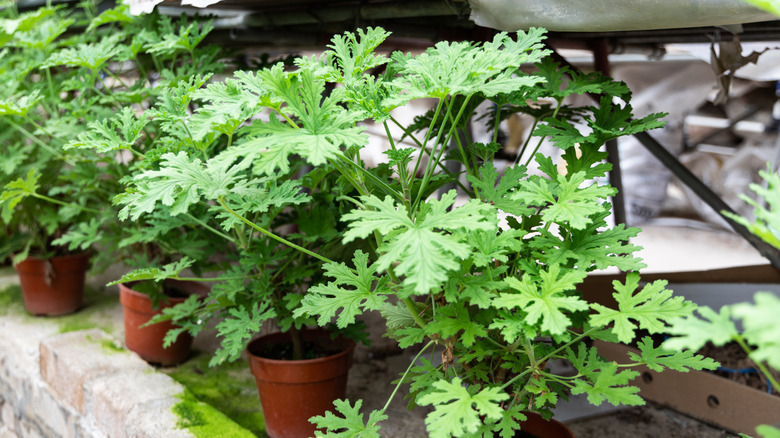
Wasps enjoy hiding in leafy areas of your yard, which can include messy shrubs and tree branches. The cleaner your yard, the less likely it is that you will find hoards of wasps hiding in foliage on your property. There are also some plants you can add to your garden that wasps tend to dislike, namely strong-scented herbs like basil, citronella, lavender, and peppermint, as a natural tactic for preventing them from burrowing in your yard.