

The Natural Fertilizer That Will Help Raised Garden Beds Thrive
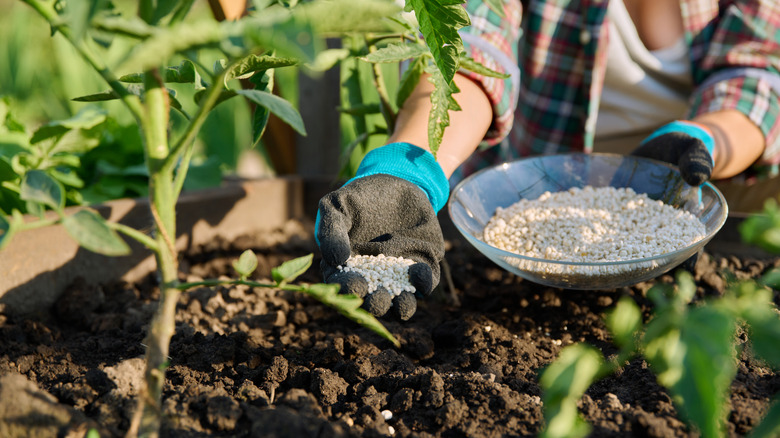
More than 90% of the world's plant species depend on it, it predates the dinosaurs, and it's quietly making a comeback in backyard gardens across the country as a bio-fertilizer. Mycorrhizae, fungi that form beneficial relationships with plant roots, are capable of wondrous effects on plants, enhancing their ability to take in nutrients and water for robust growth and long-term survival, as well as building resistance to stress, drought, pests, and disease. The fungi can even keep plants from consuming toxic minerals.
Mycorrhizae has experienced significant buzz in recent years, with many mycorrhizae products coming onto the market. Research has emerged, however, that questions their necessity and effectiveness in regular garden soil, which already naturally contains mycorrhizae. But one place mycorrhizae can work wonders toward helping your plants thrive is in raised beds.
Raised-bed gardeners have been taught to think twice about using their own soil for raised garden beds since native garden soil may drain poorly and become compacted. Thus, preferred raised-bed soil, often DIY mixes or purchased growing media, doesn't have the advantage of built-in mycorrhizae and can benefit from the addition of the fungi as a bio-fertilizer — under the right conditions, that is.
Try mycorrhizae in your raised beds to boost plant growth
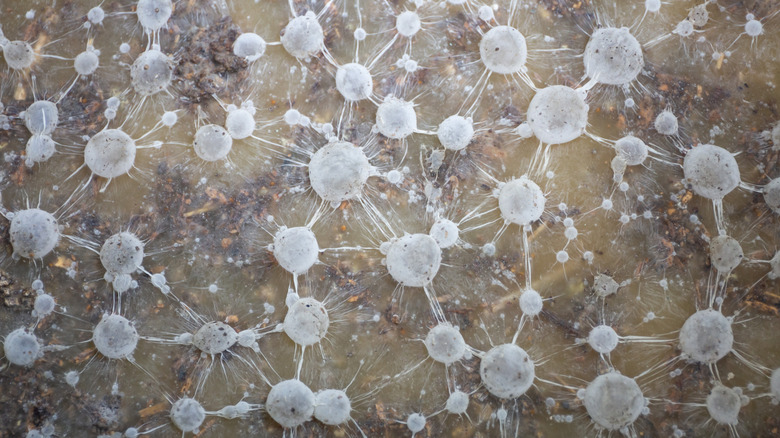
Even though you shouldn't use garden soil to fill your raised beds, tossing a handful of it into your raised bed soil will enable mycorrhizae to establish. If you prefer to try a commercial solution, you can likely find a soilless mix that contains mycorrhizae, and standalone mycorrhizae products are available in three forms — powder, liquid, and granular. Granules can be used only when you can access the roots, so they are the simplest option for new plantings and transplants. Just scatter them into the bottom of the planting hole before setting the rootball in place.
Powder also performs at transplant time. Dampen the roots and dust them thoroughly before placing the plant in the ground. Liquid formulas can be watered directly into the root zone of established plants at any point in the growing season, though they are most beneficial during seeding, transplanting, and propagation. Strive to ensure the mycorrhizae make contact with plant roots, and always be sure to follow product label instructions. Additionally, be aware that mycorrhizae is most often characterized as an "inoculant," a beneficial microorganism that boosts plant health and productivity when applied to the plant or soil, so you may see that term on product labels rather than fertilizer.
Create optimal conditions for mycorrhizae to do its work
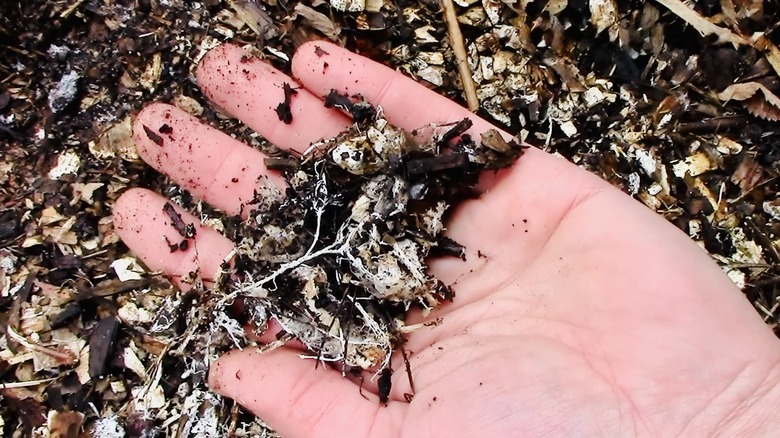
You can do several things to create the best conditions for mycorrhizae to benefit your raised-bed plants. Placing a wood product like arborist wood chips on the soil surface will give mycorrhizae something to decompose, which helps them deliver nutrients to plant roots. Fertilizers, especially those with phosphate, can damage mycorrhizae, so use them in your raised beds only if a soil test identifies deficient nutrients. Keep this natural fertilizer away from brassica plants (veggies like cabbage, broccoli, cauliflower), as well as those in the Amaranthaceae family (beets, spinach) because most of these plants don't establish the symbiotic relations with mycorrhizae that others do.
Adding soil amendments is the most important soil tip for raised garden beds you're likely skipping. While mycorrhizae fungi are not consistently characterized as amendments, they'll bring important microorganisms to your raised bed soil that it likely does not have.