

Stop Beating Yourself Up –– The Hard Truth Every Plant Owner Needs To Accept
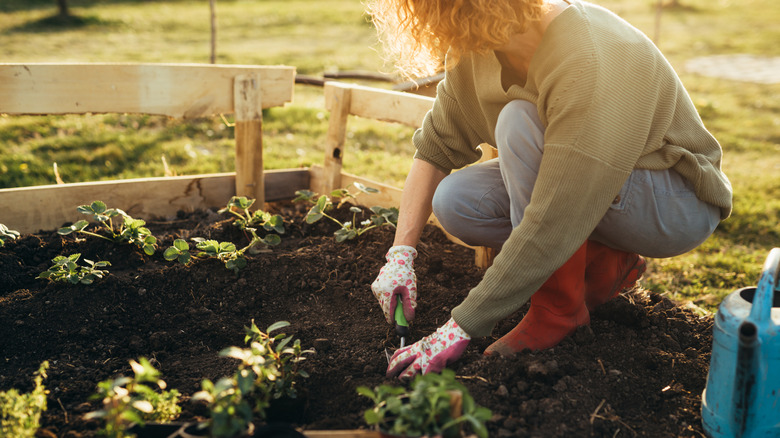
Whether your plants live outdoors, in containers, or inside, you've likely poured plenty of time and energy into keeping them alive. You might even give your plants names or talk to them about your day, as you rotate their planters for more even sunlight. You're totally invested. And before you realize, plant care takes a personal turn, which is why it's frustrating when it all goes wrong. No matter how great you are at being a dutiful plant parent, the truth is, plants die. It's part of the learning process that will make you into a better plant whisperer. However, there are ways to mitigate the chances.
Behind every beautiful bloom-filled landscape are a handful of plants that didn't survive. Even if your neighbor's yard looks like they have two green thumbs, rest assured, they've killed their fair share of plants way more often than you think. There are a slew of telltale signs when something is off, and your plants will let you know about it in visible ways. For example, leaves may droop when the soil dries up, edges may brown, and growth may slow. These aren't random issues; they're signs. The key is recognizing them sooner.
Maybe your plant went downhill because the soil isn't right, or the spot you picked is too shady. These are some ways your plants are trying to speak to you when there's a problem, giving you a guide to the things you can do to help to make them healthier.
How to listen to your plants and help them thrive
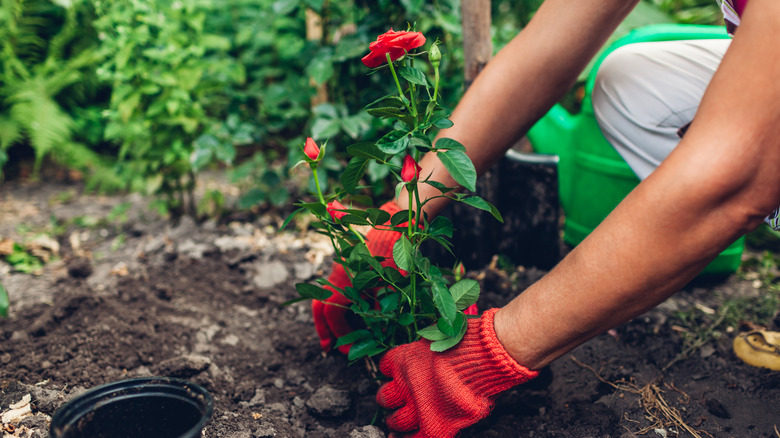
One of the most typical reasons your plants die is that they aren't the right kind for your area. Plants have specific regions they thrive best in, so check the USDA Hardiness map for your zone before investing in a species that requires a completely different climate from where you live. It's also just as important to know where to place your plants. Sun-loving plants won't thrive if they spend too much time in the shade, resulting in thin stems and sparse foliage.
For healthy plants, you need good soil. A big problem plaguing some gardens, for example, is that the ground has lots of limestone and a clay-like texture, making it clumpy and poorly draining. If this sounds like your area, you should test your soil's pH to find out whether it's too acidic or alkaline. The ideal range is between 6.3 and 6.8 pH. In clay-heavy areas, you can add organic matter and compost to your soil, including leaves, grass, and even those dead plants you mourned.
Too much of a good thing is real when it comes to watering your plants. While you might think you're giving them lots of love, the constant water prevents oxygen from reaching the roots. Your plant's leaves will wilt and turn yellow, and can even start to stink. Gross. Though you might be able to cut off the dead roots and repot it, you should also be aware of when it's time to say goodbye.