

Try This Ancient Roman Garden Technique For Flourishing Plants
Many gardeners often struggle with the constant cycle of watering and weeding that comes with having a garden. Ancient Romans addressed these issues by using stone mulch, placing layers of small rocks or pebbles over the soil to protect plants. This is a practice that keeps the ground temperature consistent and ensures the soil stays moist during heat waves. While wood chips are a more modern solution, stones offer a more permanent option that doesn't rot or lose its effectiveness over time. This method isn't a great fit for every part of the country, but it works well in dry, sunny locations with plants that don't mind the extra heat the stones absorb, or areas where wildfires are a real concern. Because rocks don't burn or need to be replaced every year, the higher upfront price tag is often worth it for many gardeners looking for stone landscaping ideas that require little upkeep.
Covering a garden bed with rocks helps lock in moisture by slowing evaporation. Since the sun can't hit the soil directly, the ground stays cooler and keeps water available to the roots for a longer time. The weight of the stones also naturally discourages weeds from growing and competing for nutrients. It's also worth noting that this setup can cause problems in colder regions. Stones don't provide any real insulation, so they can't protect roots from freezing the way wood mulch does, which can lead to plant damage as temperatures drop. Rocks also shouldn't be used around plants that need cool, damp, and nutrient-rich soil. Since rocks don't decompose, they won't feed the ground like organic mulch.
Stone mulch helps maintain consistent soil moisture levels

Using rocks as a top dressing helps keep root-zone conditions more consistent by absorbing the sun's energy. During the day, the stones absorb heat from the sun, preventing the soil from overheating. Once the sun goes down, the stones slowly release that warmth, which offers a bit of a buffer against the cooler night air. This steady environment encourages better root growth since the plants aren't constantly stressed by temperature swings.
The weight of the stones also prevents the soil from getting packed down by heavy foot traffic or rain. When water hits bare soil, it often creates a hard crust that makes it difficult for moisture to soak in. Stones break the fall of the raindrops, which allows the water to seep into the soil through the gaps in the pebbles. This makes sure that every drop of moisture goes to the plants instead of running off into the street. For many garden plants, it's important for them to have good drainage to prevent root rot in damp conditions. When air can move through the gaps in the rocks, it keeps the soil healthy. While looking for gravel garden ideas to transform your outdoor space, you'll find this ancient approach can help turn a garden bed into a low-maintenance space that mostly takes care of itself.
Gardeners use rocks to prevent erosion and keep weeds away naturally
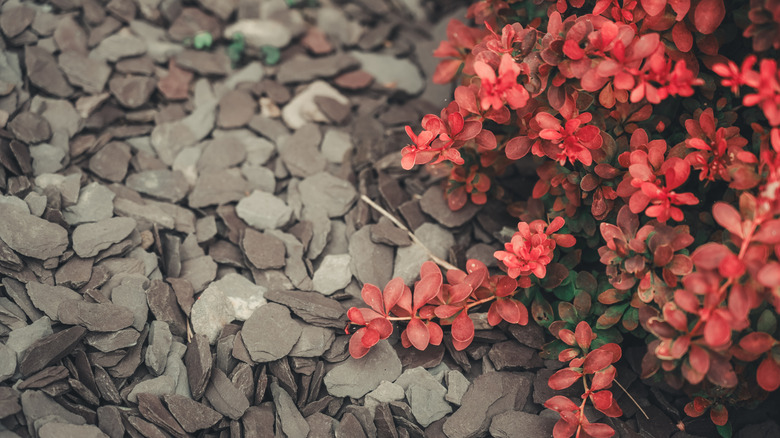
Rocks keep the topsoil right where it belongs. Wind and rain usually do the most damage by washing away the dirt the plants need, but a layer of stones or river rock keeps the soil from shifting. This works especially well near downspouts or on slopes where runoff is a problem. In addition to preventing erosion, stones block the sunlight that weeds need to sprout. Even if a stray seed lands on the surface, it typically won't get enough moisture or soil contact to survive between the rocks. This leaves your plants with all the space they need without having to compete with weeds.
Although many gardeners prefer organic mulch for its ability to improve soil health, deciding on the best type of mulch for your garden often comes down to maintenance, since stone is simpler to maintain than wood chips that fade and eventually rot. Another downside of wood mulch is that it can attract pests or develop fungus as it decays. With stone mulch, rocks stay clean year after year. You won't have to replace them every spring, which saves money and keeps yard waste to a minimum. For some flowering shrubs, the heat reflecting off the rocks can actually lead to more blooms during the hottest part of the summer. The stones also create a nice visual contrast against dark leaves and bright flowers. Since you can pick so many different sizes and colors of rocks, it's easy to customize the look of your garden while getting the benefits of a mulch method that people have used for centuries.