

What To Do If You See Wolves In Your Yard
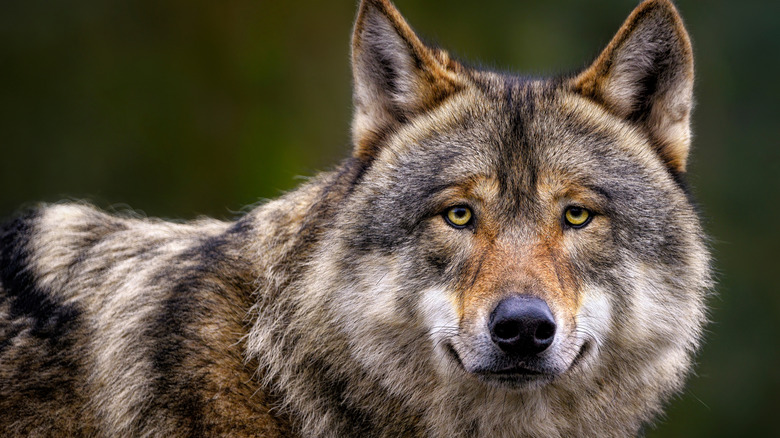
Wolves have been given a bad reputation over the years, causing many people to imagine them as vicious creatures, eagerly attacking unsuspecting innocents. For the most part, though, these breathtaking animals avoid human interactions at all costs. In fact, a recent study by the University of California, Davis, found that human voices routinely scare off even wolves that are used to urban areas. However, in some situations, you may find one in your yard. Thanks to their negative image and threats to livestock, many people's first instinct is to shoot the animal. However, wolves are rarely aggressive, and there are more humane ways to scare off these animals.
As long as your pets and family are safe, the first thing to do is contact your local wildlife management office and report the sighting. Many states track wolves for conservation purposes. Not only does calling offer vital information on wolf behavior, but wildlife management organizations are trained to come and handle the situation, and to try and move a wandering wolf to a location safer for all parties.
If you can do so while staying safe, try to take a clear photo so wildlife managers confirm that it is a wolf and not a coyote or similar-looking dog, as it's easy to misidentify them. If you're worried about your immediate safety, you can also encourage the animal to leave. A loud air horn or siren sound may be enough to scare them. You can also try the same methods that you would use to keep neighborhood dogs from damaging your precious lawn, including dog-repellent sprays.
How to keep wolves away from your home in the future
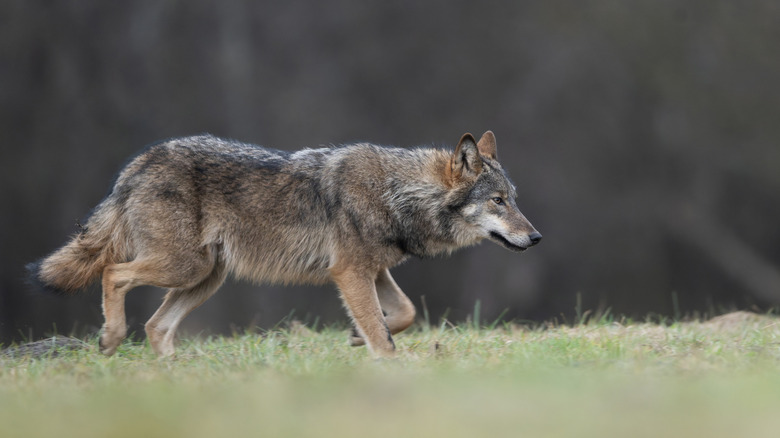
Another good idea is to take steps to encourage wolves to move along on their own. Unlike if you find a baby opossum in your yard, you don't want to get too close — stay at least 100 yards away.Though it may be enticing to feed these animals, by giving them a constant food source, on purpose or accidentally, they become habituated to people, which means they likely won't be as scared in the future.
If you're worried about the possibility of wolves returning to your yard, there are a few things you can do to ensure they stay out. The first is to discourage any prey that wolves may enjoy eating. Make sure that trash, food, and animal feeders are locked away tight when not in use, and cleaned up after when in use. For example, clean up any bird seed that's fallen in your yard, lock up trash bins, and harvest fruits and vegetables as soon as possible, rather than letting them stay on the tree or the ground. All of these things can attract potential prey like deer, rabbits, and raccoons, which might attract wolves. These same prey-attracting messes also attract other predators: Your bird feeder could be the garden features attracting coyotes to your yard.
Another option is to adjust your landscaping. Tall hedges make an attractive fence, but they also provide a safe hiding place for both predator and prey species. Instead, consider using solid fencing to keep away deer and wolves alike.