

The Big Mistake Everyone Makes After Removing A Tree Stump From Their Yard
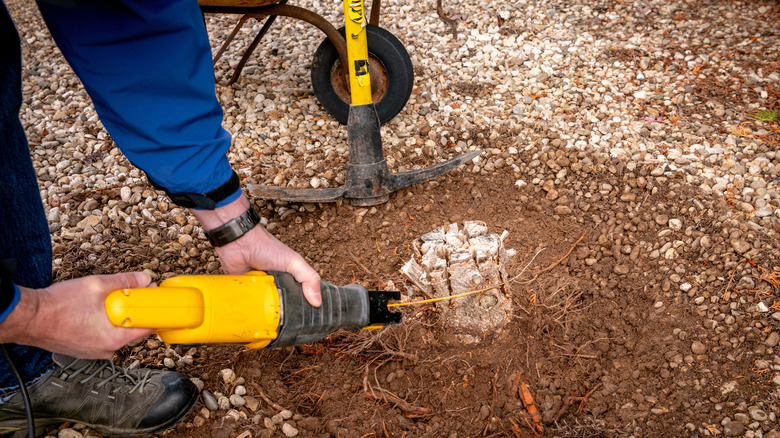
Despite the best intentions and valiant efforts to save a diseased or damaged tree, removal is sometimes the only option. After a tree and stump are removed, it's important to completely clean up the mess left behind. One of the big mistakes everyone makes when removing a tree stump is not cleaning up the debris. Another is not filling the hole.
Whether manual stump removal or stump grinding is the best tree stump removal method for you and your yard, sawdust, roots, leaves, and wood chips will be left behind. Failing to clean up the mess or burying the stump and debris can contribute to the development of sink holes and other problems. The rotting wood can attract pests, such as carpenter ants and roaches, and cause changes in the soil. Although sawdust and wood will eventually break down, increasing aeration and the soil's capacity to hold water, this process can take months or years.
After the debris is removed, don't make the mistake of leaving the hole empty. The hole left behind after stump removal can cause a safety hazard, especially for kids and pets. Insects and wildlife can be attracted to holes in the ground, which can result in damage to your lawn. An empty hole can also contribute to soil erosion, and filling the hole can prevent this problem.
Proper disposal of stump debris
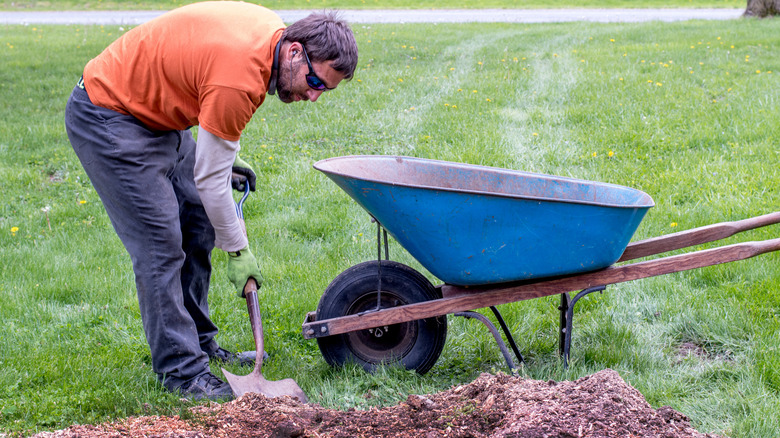
After removing a tree stump, homeowners may be surprised by the piles of debris and mess in the yard. When you hire a professional tree service for tree stump removal or grinding, they will clean up the mess for you. If you choose to DIY manual stump removal or stump grinding, you will have to clean up and dispose of the leftovers.
The ideal methods of stump debris disposal keep the waste out of landfills. You can accomplish this in a few ways. Some wood chips can be used for mulch in your garden and other landscaping applications, such as filling low spots or creating paths or walkways. Of course, a huge pile of wood chips may be more than you can use. You could share the wood chips with neighbors or compost the stump waste to create organic fertilizer. You may want to compost the debris yourself or take it to a community composting facility.
When using wood chips from stump grinding, be careful with chips from diseased trees. Using these can spread the disease to other trees on your property. If you have a stump removed after taking down a diseased tree, be sure to haul the debris and wood chips to a landfill, rather than using them in your yard, to avoid creating more problems.