

Skip The Bird Feeder: The Heirloom Sunflower With Seeds Feathered Friends Can't Resist
We may receive a commission on purchases made from links.
Do you love having feathered visitors in your yard because they bring their fun colors and melodious songs to your outdoor space? Well, there are a variety of different ways that you can work to turn your yard and garden into a bird haven, such as by installing bird feeders and birdbaths. However, did you know that you could actually skip the bird feeder and attract birds to your property by planting a certain flower that produces food for them all on its own?
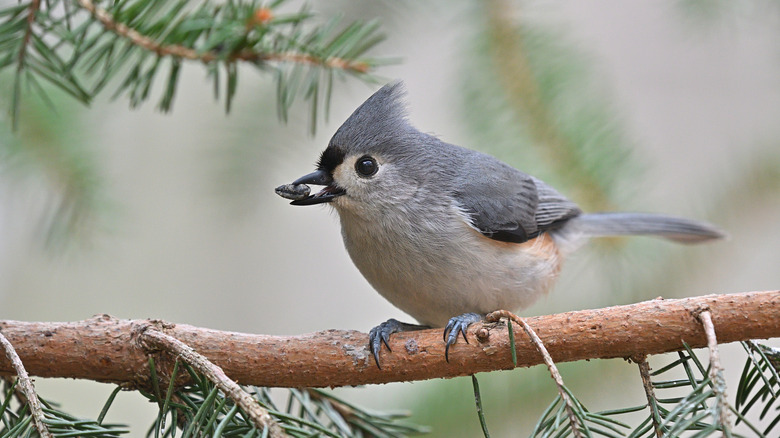
The Helianthus giganteus — known by its common name of mammoth or giant sunflower — is a striking, bright yellow heirloom perennial which can grow an impressive 10 feet tall, and even taller. It also features large flower heads packed with seeds, which is where your local bird visitors come in. While you can harvest these seeds yourself and use them for food or sunflower oil, leaving plenty of them on the head creates an excellent snack station for nearby birds. Depending on where you live, sunflower seeds can attract a variety of different bird species including goldfinches, woodpeckers, sparrows, robins, and more. The mammoth sunflower variety is a great choice if your main goal is to attract more birds to your yard because it produces more seeds in its broad flower heads than other varieties. However, in order to make sure that your feathered friends get plenty of consistent food from your yard, it is important to know the growing recommendations for the healthiest plants possible.
How to grow mammoth sunflowers to attract birds
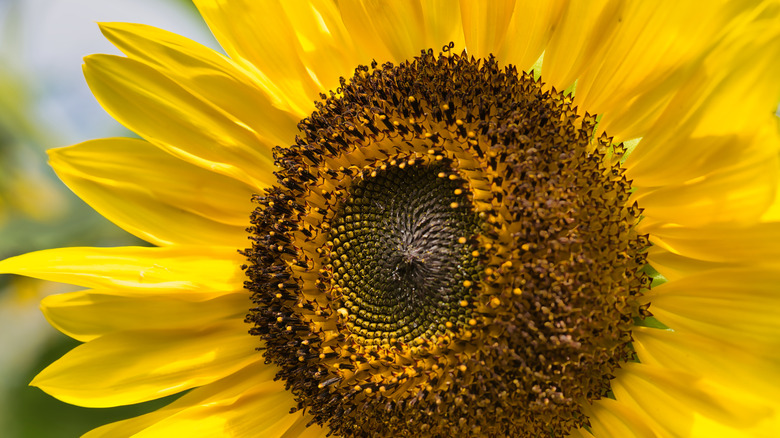
This sunflower can be planted from seed in a sunny location that receives at least six hours of direct sunlight in order to thrive. The seeds should be placed a foot and a half apart from one another to give each plant's thick stems, long roots, and large head plenty of room to grow. In addition, due to their long underground roots, these sunflowers should be watered well to ensure they get enough moisture.
To attract birds for a larger portion of the year, try planting the sunflowers in stages so that the seeds will ripen at different times, giving the birds a delicious food high in fat to eat for longer. Remember, the large heads of these sunflowers mean they are prone to sagging, so it may be necessary to give your plants extra support with stakes or an easy DIY garden trellis. If your sunflowers do tip over or get knocked over due to strong winds, you may still be able to revive them. Just stand the flower back up, make sure the roots are recovered with plenty of soil, and add extra support such as with Vivifying garden twine, which can help you tie the sunflower to a trellis or tall stake to keep it from falling over again. If the roots are too damaged, the flower may still die off, but this gives it the best chance of recovering from the fall.