

The Perennial With Charming Foliage That Belongs In Your Shady Garden
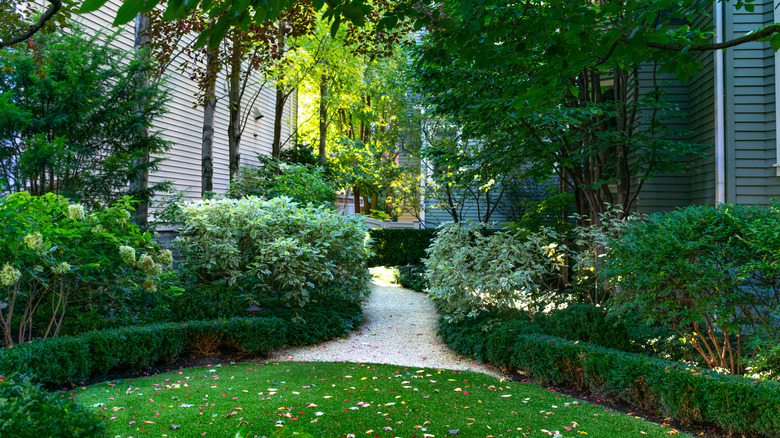
Your options for growing a gorgeous, healthy shade garden that's bursting with color might seem limited, but that isn't entirely the case. Sun-loving plants such as pentas and lantanas, may not be able to handle the shadier parts of your garden, but there are several plants that not only tolerate partial- to full-shade but thrive in it. That includes this winter-blooming green flower.
Stinking hellborne (Helleborus foetidus) might sound like the last plant you'd want to add to your garden, but don't let its unfortunate name scare you off. This flower is as beautiful as it is shade-tolerant, and you'll only need to worry about its namesake odor if the leaves of the plant are damaged. Even then, you'll find that this plant gives off a natural, earthy scent rather than anything truly unpleasant. It blooms beginning in the late winter, showcasing intriguing green-yellow blooms rimmed in red. And because it performs well in the shade, you can easily add it throughout your garden, from those borders and flowers best stuck in the shade most of the day to lower-light container gardens. You could also plant stinking hellborne in garden spots beneath trees, which comes with the added bonus of providing these flowers much-needed protection from the wind.
How to grow stinking hellebore
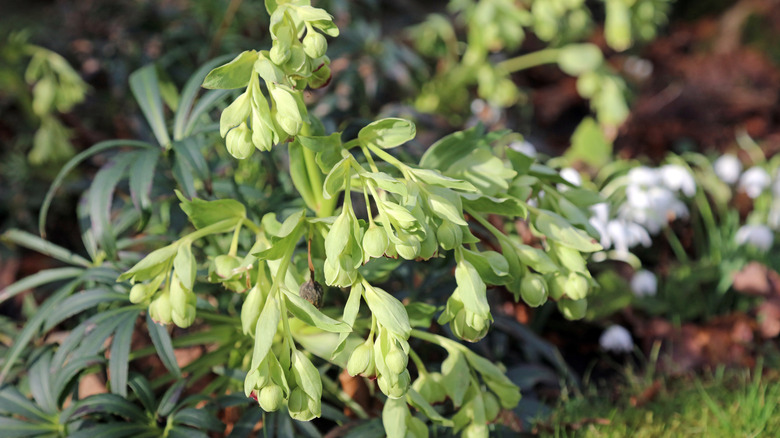
Stinking hellebore grows best when offered partial to full shade. Just keep in mind that even the most hardcore shade-loving plants require some level of sunlight each day to grow, and stinking hellebore is no exception. As a result, while direct sunlight is not needed, be sure it receives at least a little of indirect light or dappled light for the best results.
Caring for a stinking hellebore plant is otherwise relatively hands-free. If you're looking for low-maintenance ways to boost curb appeal through landscaping but have a north-facing home without that sunny front yard, stinking hellebore plants are a great option. Stinking hellebore is drought-resistant and only needs supplemental water occasionally once it's been established in your yard. It can also withstand below-freezing temperatures — perfect for that occasional cold spell — and only needs fertilization if it's planted in poor, low-nutrient soil.
Stinking hellebore is a perennial, so you might want to grow it in hopes of enjoying its evergreen visual appeal. However, to do so, you'll need to be in the right USDA growing zones. Otherwise, you may need to instead enjoy it as an annual addition to your shady garden. Stinking hellebore is hardy in zones 5 through 9.