

Bring Pollinators To Your Garden With A Self-Seeding Flower
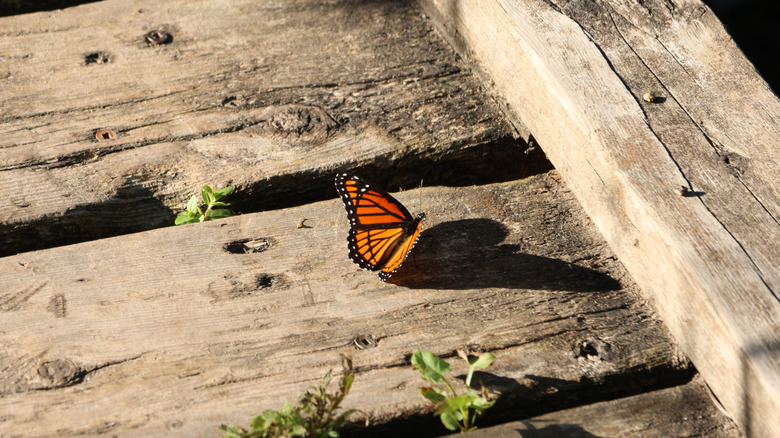
Gardens seem somewhat empty without butterflies, bees, and hummingbirds. Thankfully, though, attracting pollinators to the yard is pretty easy. You just need to grow a few flowering plants. Even so, adding new pollinator-friendly annuals to your backyard year after year can feel like a chore that, honestly, many gardeners would rather skip. That is where bluehead gilia (Gilia capitata) comes in. It is a self-seeding annual from the phlox family known for its easy-to-grow nature and blue-violet, globe-shaped flowers filled with nectar.
The blooms appear on the plant from May to July, and if you leave them alone, they die back in the summer heat. By then, however, the flower heads have already set seed, which means more bluehead gilia will sprout up naturally next spring. If allowed to establish properly, bluehead gilia will return year after year. Its nectar-rich flowers will bring bees and butterflies to your garden. Bluehead gilia is also one of the most stunning self-seeding flowers that bring birds to your yard. It is really versatile, too. You can plant it in rock gardens, along borders, in cottage-style plantings, or pretty much anywhere you have a bit of space.
This pretty wildflower grows up to 2 feet tall and wide and can make the space feel alive with its fern-like leaves and showy blooms. Just make sure to plant it in groups. Flowering plants grown in groups attract pollinators better than individual, isolated plants. You can even deadhead this annual to encourage a second round of blooms. However, keep in mind that deadheading also removes the seeds, which are necessary to bring the plant back next year.
How to grow and take care of bluehead gilia for more pollinators
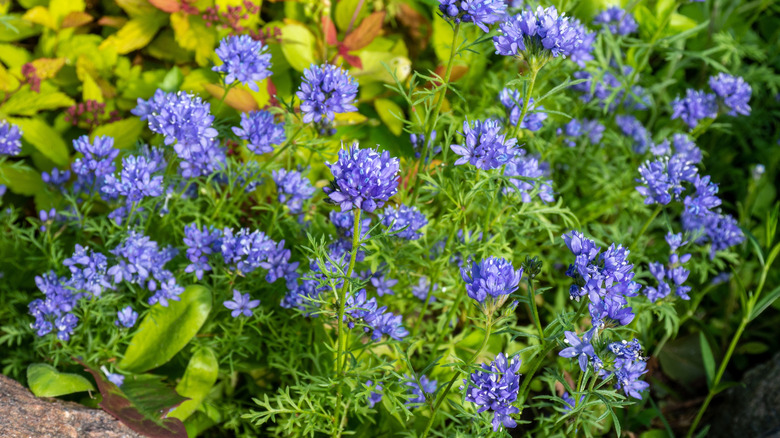
As you've probably worked out, bluehead gilia starts easily from seed. Plant the seeds anytime between fall and early spring, though planting after the rainy season in fall will give you much better germination rates. If you're planting seedlings rather than sowing seeds, space each plant 9 to 15 inches apart. This North American native annual does not like competition. Bluehead gilia grows in many soil types — even clay — as long as it drains well. If you want your wildflower patch to really thrive, a dry, sandy, or rocky soil is ideal. Mulch the soil with compost in winter. It helps the plant grow vigorously and produce healthy flowers in spring.
Plant these flowering annuals in full sun — they need 6 or more hours of direct sunlight daily. Plant some of the many shade plants that attract hummingbirds and pollinators to your yard, like toad lily and woodland phlox, in shadier spots as a complement to bluehead gilia. When it comes to watering, keep things light. This pretty annual has good drought tolerance and only needs to be watered about twice a month in the summer. You could automate your plant watering by installing an individual drip irrigation system to avoid overwatering. Lastly, pair bluehead gilia with perennials and other stunning annual flowers to plant for a colorful garden year-round. You'll make your yard even more appealing to pollinators. Aside from the aforementioned shade lovers, some good options include California poppy (Eschscholzia californica), baby blue-eyes (Nemophila menziesii), and scarlet delphinium (Delphinium cardinale).