

7 Reasons Your Succulents Are Changing Color (& How To Fix It Fast)
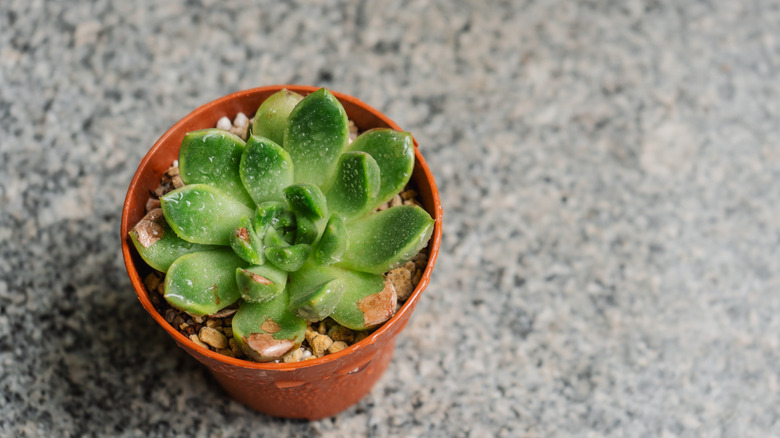
Succulents are beloved houseplants, and it is easy to see why. They are low-maintenance and come in such a wide range of colors, shapes, and textures that there is always one that fits your space perfectly. However, they do have their fair share of problems, with unexpected color change being one of them.
This happens when leaves develop brown spots or when the entire leaf turns yellow or brown. Color change in succulents can also sometimes involve the loss of variegation in the leaves. The causes behind these changes can be varied. For instance, loss of variegation or pale leaves points to low light, while brown spots mean that your succulents are sitting in too much sun.
Keep in mind, though, that improper growing conditions aren't always the culprit behind succulent color changes. Sometimes these plants change colors naturally. Take, for instance, Copiapoa (Copiapoa humilis). Its leaves are deep purplish-red, sometimes almost black when young. However, as they age, they become olive-green to tan. Likewise, some succulents change color with the seasons. Eschevera 'Beverely' is a good example of this. It has brownish-green foliage in the summer. However, when the winter arrives, its leaves take on a purplish-green hue. Put simply, if your succulents are changing color, make sure to do your research and check for natural causes of color change before trying to fix any plant care issues that might be responsible for it.
Succulents may change color when exposed to drought or heat
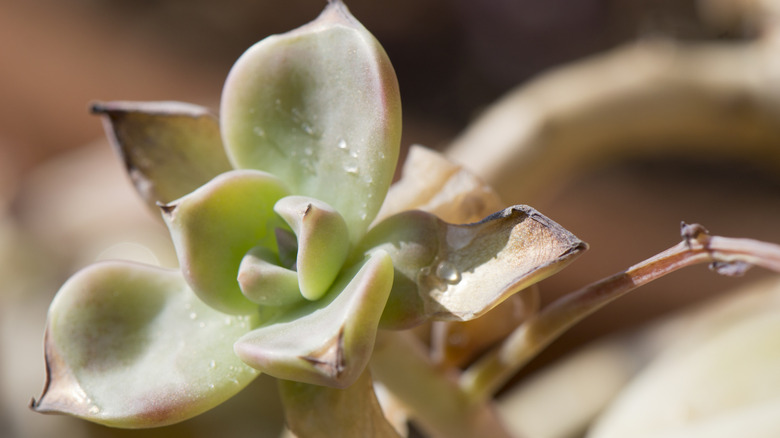
Once you have ruled out natural causes, you can start looking into other factors that might cause color change in succulents. These are sometimes environmental stressors like heat and drought. Now, this might seem a bit odd because succulents are known for thriving in dry places and high temperatures. However, they still have their limits. For instance, when you don't give your succulents enough water, they will turn yellow, brown, and shriveled. This shift in color due to water shortage is linked to anthocyanin.
Anthocyanin is a leaf color pigment in succulents and a key part of the plant's stress-response system related to water loss. When this increases, green tones fade and the leaves turn yellow or brown. So, how do you fix it? Well, simply by keeping your succulents adequately watered. Keep in mind that succulent watering might need adjusting with the seasons. Indoor succulents especially need a massive watering schedule change during winter to keep them healthy and thriving. If, however, you are watering your succulent correctly and they still look dry or appear yellow, heat might be the culprit.
Too much heat, especially when paired with intense sunlight, causes the succulent leaves to turn red or yellow-orange. Again, this happens because succulents start producing protective pigments like carotenoids and anthocyanins, which cause the plants to become red, orange, or yellow. Therefore, if you think heat or too much sun is causing your succulents to change colors, learn about the ideal temperature range for your specific succulent and adjust accordingly.
Low light, overwatering, and cold change succulent colors, too
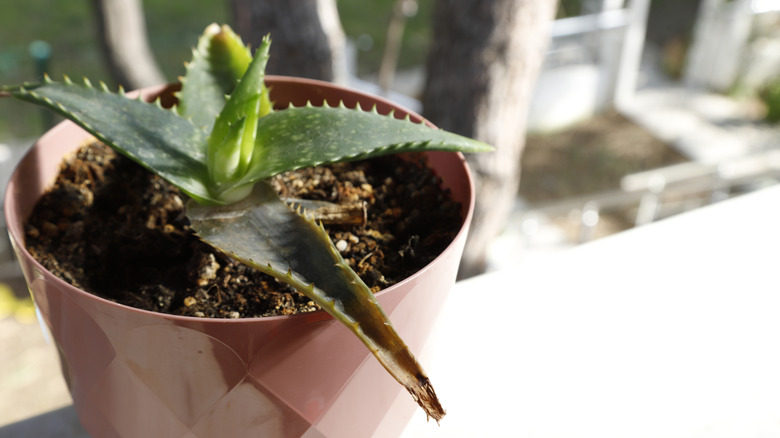
Succulents are sun-loving plants. If they don't get enough sunlight, they might lose their natural colors or variegations and become dark green. This happens because they start accumulating chlorophyll, a green pigment responsible for absorbing sunlight. The dark green color change due to low light is often also accompanied by succulents becoming leggy or stretchy. The fix, again, is pretty simple and quick: Keep your succulents somewhere bright. If your home is simply too dark for succulents, you might try switching to indoor plants that don't need much sun to survive.
It is also worth noting that low light also causes the potting soil to stay moist for longer. This can be dangerous because overwatering can cause succulents to shift their colors, too. This causes their roots to rot, which can lead to browning or yellowing leaves, brown spots, and other colors changes. If you want to avoid or fix this quickly, you will have to learn how to water succulents for the best success.
Lastly, cold conditions can also lead to a color change in succulents because in low temperatures, photosynthesis slows down. This causes plants to stop making chlorophyll, which can lead to succulent leaves fading or turning yellow. The fix? Move your succulents to a warm area and don't let them sit in the cold.