

How To Properly Dispose Of Yard Debris After A Big Storm
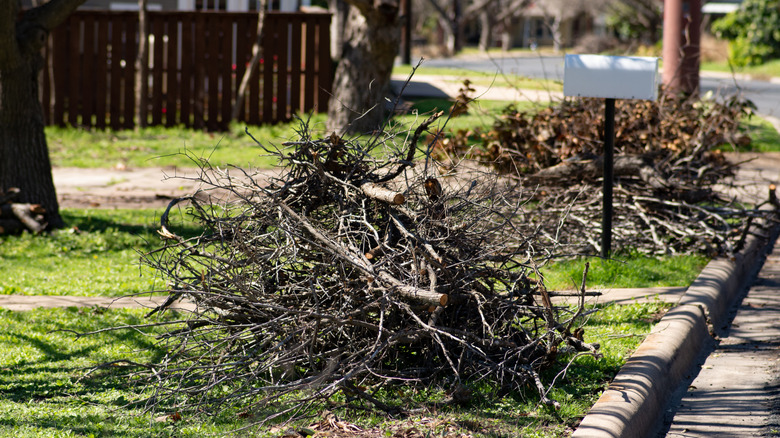
Storms can be awful. However, sometimes what they leave behind can be even worse. Broken branches, wrecked fences, piles of leaves, uprooted plants, fallen power lines ... the list just goes on. You could just call a professional to deal with the mess, but why not save money and manage it on your own? Fortunately, if you know what to do, getting rid of yard debris after a storm is easier than it looks. All you need to do is assess the situation, separate the debris into appropriate piles, and dispose of them according to your local guidelines and laws. Better yet? If you really enjoy a good DIY project, you can even give your fallen tree branches new life by using them in home décor.
You don't have to waste any leaf debris, either. You can use the fallen leaves to give your garden soil an extra boost by putting them in mulch or compost. However, before you get started, take a careful look around. There might be house structure materials, fallen powerlines, or leaning trees, which pose a risk. You can't just walk over and under them. Plus, if it was a snowstorm, fallen debris might be hidden under snow. Walking through such a snow-filled yard can pose a significant slipping and tripping hazard that you want to avoid if you need to collect and dispose of the debris yourself.
Collecting fallen leaves, branches, or snow after a storm
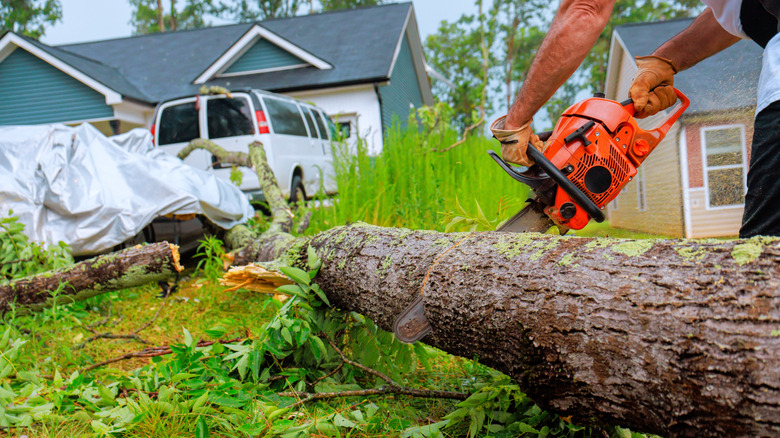
Once you have assessed your yard, it is time to clean things up. If your yard has a lot of big trees, be careful when moving underneath them. Some of their branches might have cracked or weakened during the storm, and they can fall anytime without warning. If possible, trim those before you start cleaning up the rest of your yard.
When that's taken care of, start with the sides or corners of your yard, working your way toward the center. But don't start with raking first. Take care of the largest items first, like fence pieces or branches that have fallen, before anything else. The smartest way to handle those big branches is to cut them into smaller parts so they are easier to carry around. Of course, that needs tools and if you don't have any wood cutting tools, it is definitely worth checking out the Harbor Freight pruning tools that make branch cutting a breeze.
Nevertheless, once you are done with the big stuff, go ahead and deal with leaves and twigs. Plus, if there is snow, ditch the shovel. There are better ways to remove snow. As for the leaves, just rake them up along with smaller twigs. Make sure, though, that you remove them from your flower and vegetable beds, too, and not just the yard. If left in place, they can harbor many pests and diseases, which can wreak havoc on your plants.
Disposing of debris after a storm (and when to call pros)
Once you have all the debris collected and piled, the next step is disposing of it properly. Now, how you do that depends on where you live. In some places, the city may provide curbside pickup, which means you can leave the yard waste out, make a quick call, and they will collect it for you. In other areas, though, you may need to load it up yourself and haul it to a designated drop-off site. So make sure to check with your local municipality or waste management provider.
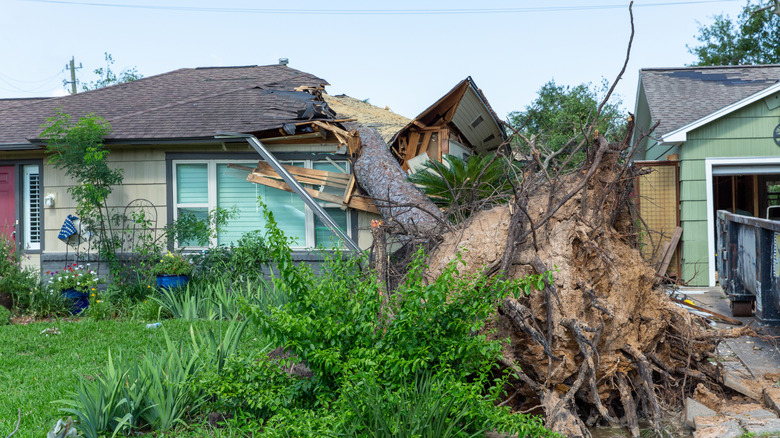
It might also be helpful to know who is responsible for the fallen trees in your street. A fallen tree in your own yard, or even worse, on your roof, is definitely yours to deal with. However, after a big storm, trees can fall on power lines passing through your yard. And that is where most DIYers can fall short. It is not something average homeowners are equipped to deal with. Plus, with situations like these, it's not recommended anyway.
Your best option, then, is just to call the pros. This is also true if shingles or gutters have ripped off your home due to debris impact after a big storm. Pros will have the right equipment, training, and safety gear needed for jobs like that. As for homeowners, use that time to inspect the rest of your plants carefully. In fact, it is the first thing to do with plants after a storm.