

How To Tell If The Conditions Of Your Yard Are Suitable For A Moss Lawn
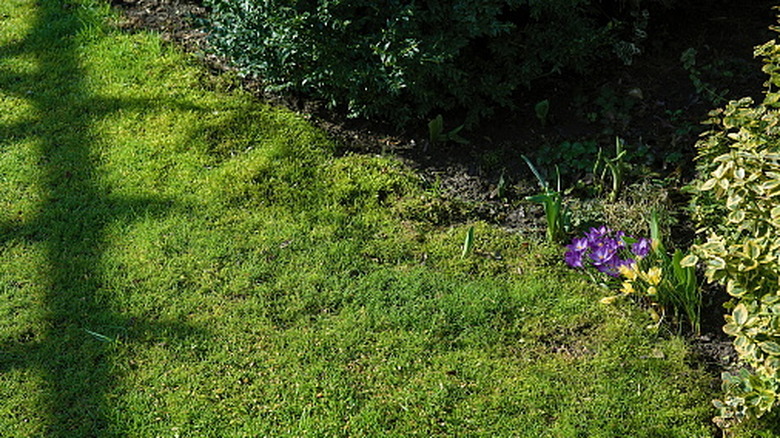
If you've been eyeing moss lawns recently and have been wondering if your yard can accommodate one, there are a few things you should know. While some picky homeowners may actively try to prevent moss from growing in their yards, moss lawns have skyrocketed in popularity within garden design throughout the past few years, thanks to their affordability and stunning aesthetic. However, these lawns typically require specific conditions in order to thrive. There are a few reasons you should consider a moss lawn instead of grass, but before you start converting your yard, you should ensure that your property can properly maintain this specific type of vegetation.
While moss can grow in numerous environments, most varieties typically prefer shade and moisture. If you have a dry and sunny property that often receives visitors, you should probably consider other types of lawn coverage. Moss can tolerate a few footsteps here and there, but not too much — and it first needs time to attach to your soil, which can take weeks. Moss also prefers acidic soil, so before you decide on your lawn, it's important to complete a soil test to check the pH levels.
There are thousands of species of moss worldwide. In other words, you have a lot of options to choose from for your property. If you have a low-traffic and shady property, Pleurocarpous mosses would be an excellent choice, since they love moisture. If you have a drier property with more sun exposure, you can still attempt a moss lawn. However, you should opt for Acrocarpous moss, which can handle those warmer environments. An example of a sun-tolerant species would be Bryum moss (Bryum caespiticium), also known as sun moss.
How to grow a moss lawn
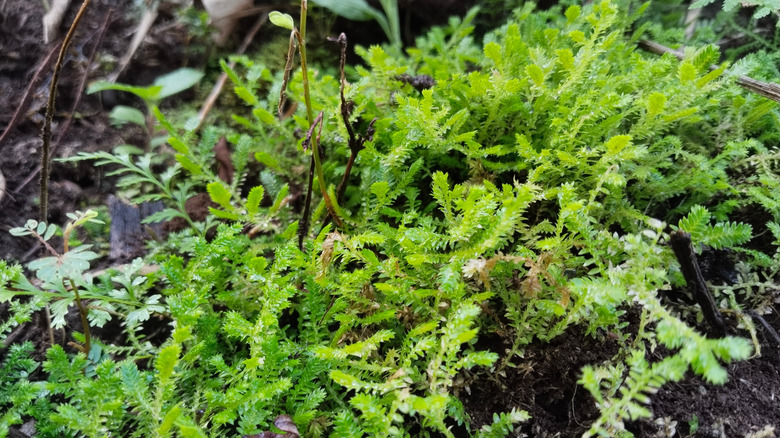
After determining your soil's pH levels and choosing the right moss for your yard's needs, you can start prepping for installation. This means clearing the area of any remaining grass, weeds, decor, or other objects. Next, water the area before moving onto installing the moss itself. You can purchase sheets of moss at your local nursery, home improvement store, or garden center. If you want to grow moss between pavers, you can use a moss slurry.
When laying down your moss, make sure to keep the pieces an inch or two apart, as it tends to spread over time. To keep the moss anchored down into the soil so it can attach, you can use rocks or garden pins to keep it in place. It can take six to 12 weeks for moss to fully attach, and it's absolutely essential to water it consistently. Just keep in mind that too much water or areas of standing water in the moss can drown it. During this period, it is also important to stay off of the moss and keep it clear of leaves or other yard debris — maybe even fence it off if you need to. Once your moss has matured, you don't need to water it every day.