

What To Do If You Find Deer Tracks In Your Backyard
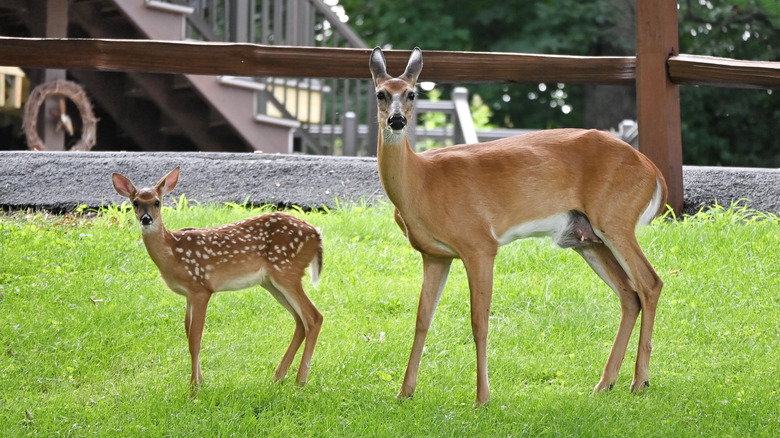
Finding deer tracks in your backyard can be exciting. However, it's also a sign that the animals could be returning regularly. Before making any big changes, you should take a closer look at what the tracks mean and how to respond in a way that protects your yard and wildlife. Identifying the deer tracks and what might be attracting them can help you take the right steps toward discouraging them from coming back.
Deer tracks are fairly easy to recognize when you know what you're looking for. They look like two long teardrop-shaped hoof prints side by side. The tracks kind of form a heart shape. The prints are small to medium-sized, pointed, and may show a slight gap between the two hoof halves. You'll notice them in softer ground like snow, mud, or soil. Tracks can appear in a line or staggered pattern, depending on whether the deer is walking or running.
Having deer visiting your backyard isn't all bad. Many homeowners enjoy seeing wildlife during early morning or dusk, when deer are most active. They can add a peaceful, natural feel to your outdoor space. They can also help keep certain plant growth in check. The problem is that deer are persistent foragers, so they eat a variety of plants, flowers, shrubs, and even tree bark. If they are damaging your landscaping or destroying your garden, it may become a problem if they return more often and identify your location as a food source. In that case, you may need to find ways to keep deer out of your yard.
What is attracting deer and what to do next
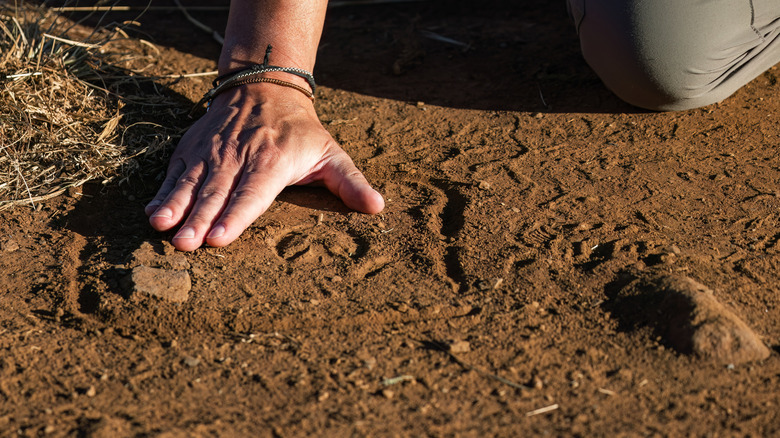
If you only see deer tracks occasionally, you probably have nothing to worry about. It's normal for deer to pass through in many areas. However, if you notice them frequently, your yard probably has something they want. Tender plants like hostas, berries, and vegetable gardens are most appealing. Birdbaths, ponds, or pooled water sources can also draw deer in, while open yards without barriers make it simple for them to wander in and out. Once they find a reliable food or water source, it's likely they'll return.
If you'd rather not share your backyard, try and make it less inviting for deer. Choose deer-resistant plants that can save your garden, such as lavender, garlic, and mint, which they tend to avoid. Take steps to harvest your fruits and vegetables quickly and clean up any fallen produce, so you don't leave anything edible behind. You might also want to install fencing as an effective, long-term solution to keep the deer out. To work properly, the fence should be about 8 feet tall or designed in a way that discourages them from jumping.
Commercial repellents or more natural methods to keep deer out rely on strong smells that may help them avoid your yard. Incorporating motion-activated lights or sprinklers can also startle the deer and make them less comfortable returning. It's best to act early if you see deer tracks because the longer they view your backyard as a reliable resource, the harder it will be to keep them out.