

The Pest-Attracting Pet Habit That You May Want To Avoid
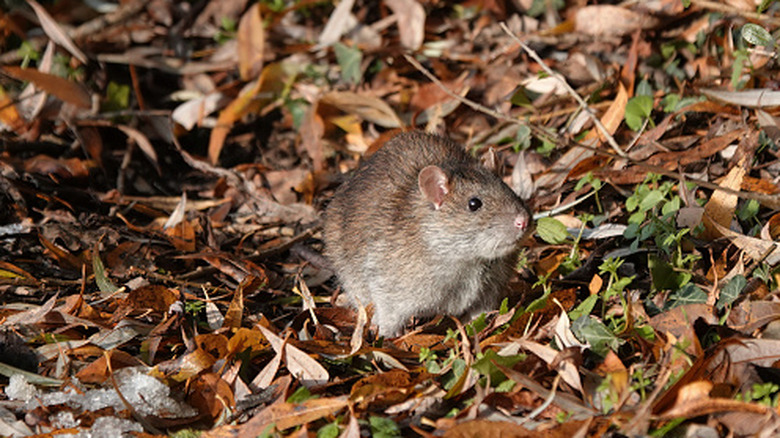
Some animals, such as your beloved family dog or the kitten you just brought home from the shelter, are ones you are likely excited to have around. However, other creatures, such as rabies-carrying raccoons or wild rats and mice, are best kept away from your property wherever possible. This is because they can be liable to carry diseases, leave stinky droppings or urine, and even cause damage to buildings and structures.
Removing the things that are enticing these creatures into your yard is a humane way to avoid attracting pests to your home and encourage them to find other territory without having to call an exterminator or use other pest control methods. One thing that could be attracting pests to your outdoor space is pet food. The kibble or wet food that is often given to household pets is designed to be packed with protein and other nutrients to help keep your furry friends happy and healthy. However, this also means that other animals will be drawn to the smell of the food because it signals the availability of a high-energy snack.
So, if you regularly feed your pets outdoors, the pests in your area could become frequent visitors to your property because they know they can check out your yard for their next potential meal. In certain areas, high-calorie pet food sitting outside has even been known to attract bears! There are some preventative steps you can take so that your pet's food won't entice annoying, infectious, or downright dangerous pests into your backyard.
How to feed pets to avoid attracting pests
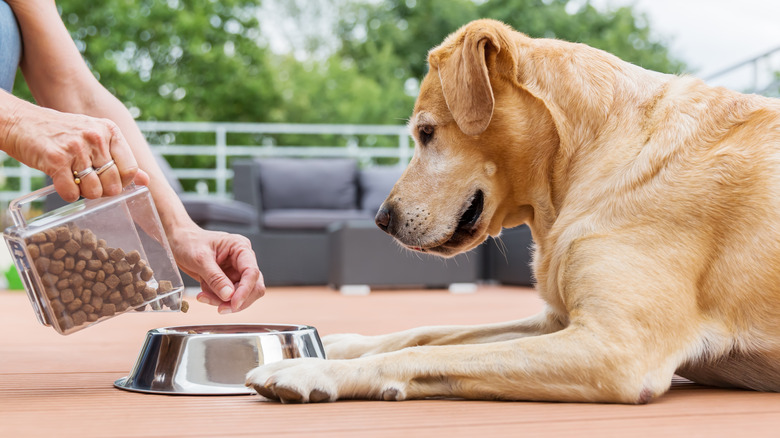
There are a few key practices that can help you safely feed your pets without bringing unwanted critters onto your property. The most ideal situation is to habitually feed your pets indoors. This means that the smell of the food won't permeate into your outdoor areas, stopping you from attracting anything looking for a tasty meal. However, if you have to feed your pet outdoors for any reason, such as if they are rarely indoors, then try only feeding your pet during the day and taking the bowl inside overnight. This is particularly helpful for keeping raccoons out of your yard because they are nocturnal and therefore tend to actively look for food during the nighttime.
Additionally, it is a good idea to store any pet food bags indoors in rodent-proof containers to stop small animals such as mice and rats chewing through the bag. Wet food, in particular, has a strong smell that is more likely to attract pests, so this should be kept in a sealed container and any bowl that is used should be regularly washed to remove as much of the smell as possible. To stop enticing mice into your home, as well as other unwanted pests, it can also help to sweep up the area where your pet is fed, to remove any stray pieces they may have pushed out of the bowl, and regularly take out the trash so that the smell of the food isn't sitting for long periods of time in your trash can.