

Repurpose Easter Basket Filler And Help The Birds In Your Yard At The Same Time
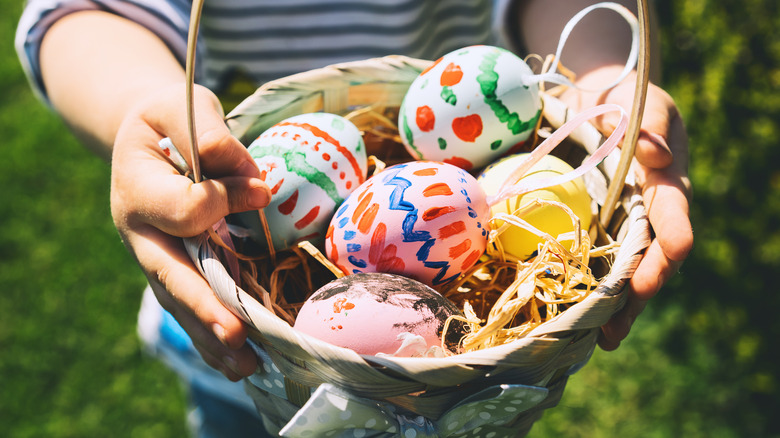
Some holidays come with certain items which are only used once a year. A great example, as spring ends and summer arrives, is Easter. For many households and families, the tradition of filling an Easter basket with fluffy filler and sweet treats is a staple of the annual holiday. However, once it's over and the baskets go back into storage, what should you do with the filler? Well, there are actually many ways to let backyard birds in on the Easter fun, and one in particular lets you do that while saving the extra material from going to waste.
If the faux grass or filler you used in your baskets is made of simple paper or another natural material, then you can offer it in your backyard for the local birds to take and use as nesting material. This is good for helping them fill out their nests, offering bulk to the structure before they lay their eggs in spring and early summer.
Keep in mind that this repurposing project absolutely does not apply to any kind of filler that is made of plastic. When birds place pieces of plastic in their nests, it can get tangled in their feet, making it difficult for them to escape because the plastic won't tear or give. However, if your Easter baskets were filled with shredded paper or small pieces of straw this year — or you want to know what to do when you get some next year — you can help birds build safe, productive nests with that material.
How to use basket filler as bird nesting material
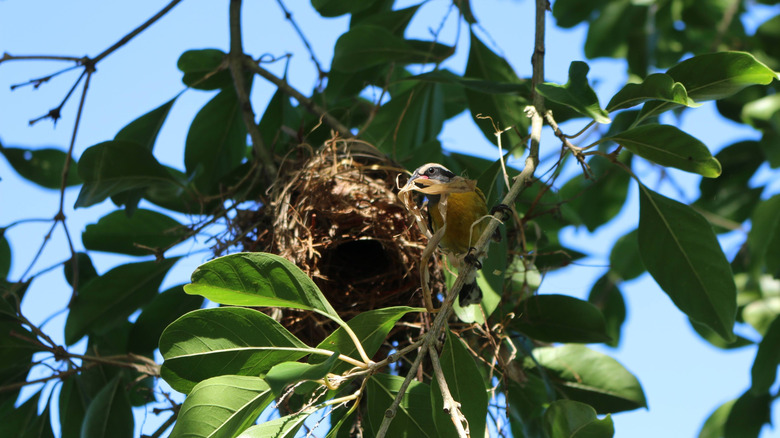
The first thing you need to do when repurposing Easter basket filler for birds to use in their nests is to check the ingredients. You want to only use filler that is made of natural fibers and doesn't contain added chemicals or toxins. Birds — especially the babies — are inherently vulnerable to toxic substances, so you shouldn't take any risks.
Once you have determined what your basket filler is made of, you can then set it out for your local birds to collect. This can be done in a number of ways. If using paper, remember that this material gets wet and soggy in the rain, so it may be best to choose a location which is relatively sheltered from the elements. In addition, because paper can break down when wet, it's also a good idea to not offer too much at once. That way, the birds will only use a few pieces at a time to help bulk out their nests, rather than building the entire structure out of something that could fall apart.
To get the birds to grab these materials, you can try filling suet cages with pieces of paper or filler which are up to six inches long — any longer could cause the birds to get tangled. Or, you could turn a whisk into a helpful nesting resource. You can also make your nesting material easier to find by attracting more birds to your yard in the first place. Set out feeders, bird baths, and native plants that provide food and cover from predators.