

8 Perennials That Grow Bigger And Better With Coffee Grounds
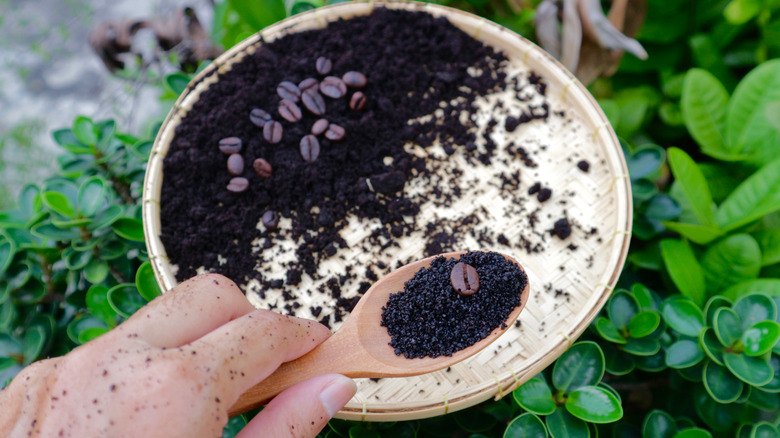
If you're a coffee lover, you most likely throw away tons of used coffee grounds every week. If you're a gardening coffee lover, you've probably heard how beneficial used coffee grounds can be for certain plants. While some plants don't do well if you add coffee grounds to their soil, many perennials thrive from the additive. Some perennials that love coffee almost as much as you do are roses, blueberries, hostas, and bleeding hearts. But before you go throwing the grounds from your Keurig into your garden soil, there are a few things you should know.
Coffee is pretty dang acidic; those with stomach issues who avoid the lovely, caffeinated beverage can attest to this. Thankfully, this is one feature of coffee that some perennials like blueberries absolutely need to grow and thrive. Adding used coffee grounds as a soil amendment can not only bring the soil pH to a level preferred by some plants, but it can also help with soil drainage. They can be a simple solution to amending the clay soil in your garden, as well. Coffee grounds can also add much-needed minerals that some plants lack; most importantly, nitrogen.
There are some common mistakes that should be avoided when using coffee grounds as fertilizer in your garden — namely, using fresh grounds. Fresh grounds are too acidic and can actually harm even the most acid-loving plants. You should also think twice before putting coffee grounds on seedlings, as they can actually stunt early plant growth. Create a mix of 20% used coffee grounds with some garden soil or mulch, then sprinkle a small amount around the base of your plant, which might just provide the nutrient boost your favorite perennial needs. Don't worry, if you're not a coffee drinker, there is a way to get free coffee grounds for your garden.
Strawberries
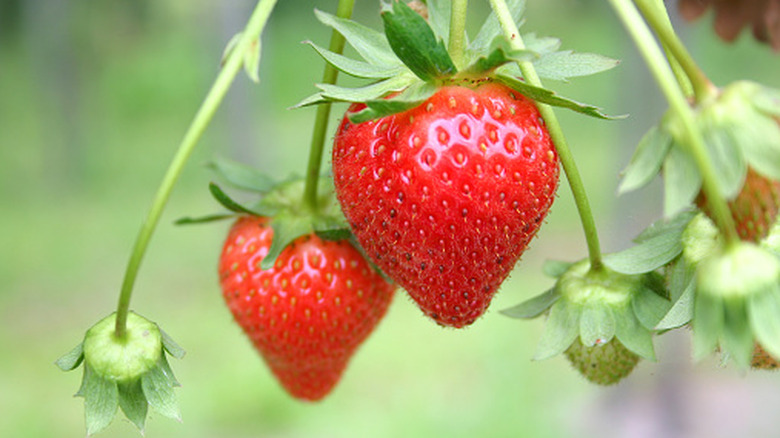
Strawberries are a natural candidate for using an amendment like used coffee grounds — they thrive in acidic soil. They also need well-draining soil, which is another benefit of adding the grounds to your beds. Integrating used coffee grounds into the soil before you plant your strawberries will create the best conditions for your strawberries to thrive. You can also sprinkle a little around the base of your plants to give them much-needed nitrogen whenever it rains or while watering.
Hydrangeas
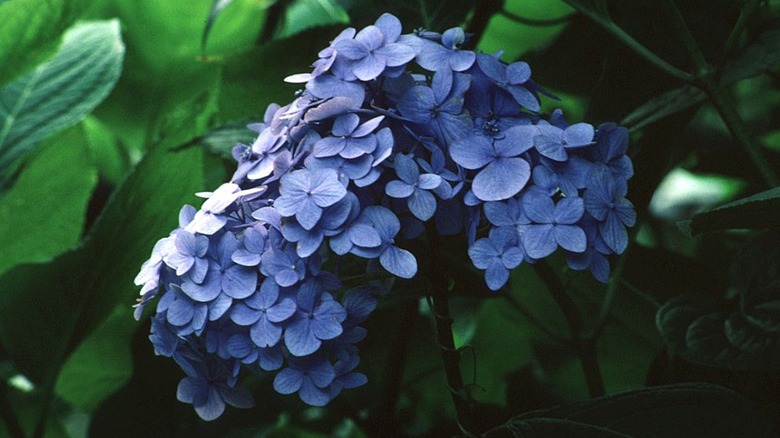
Not only can adding used coffee grounds add much-needed minerals for hydrangeas to thrive, but it is also a way to change your hydrangeas to a lovely shade of blue. The key is to sprinkle a tablespoon or two of used coffee grounds around the base of your plant, mix it into the soil, and then water. You can do this a few times a year to give your hydrangea the acidic soil it needs to turn blue. It will also help add nitrogen to your plant's soil for healthy, green leaves.
Roses
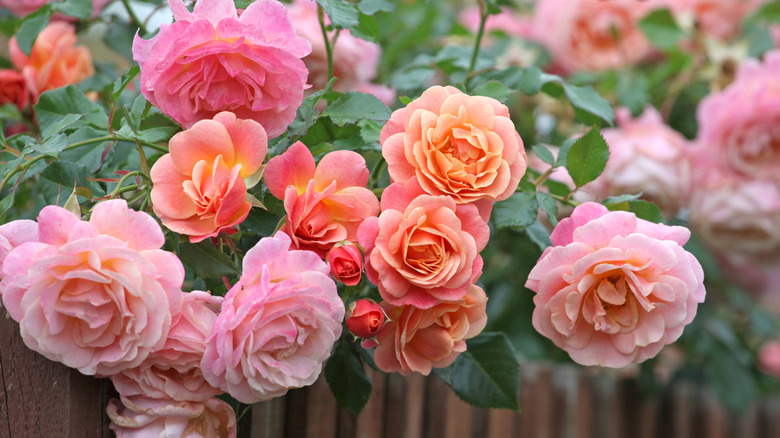
Roses are the quintessential flower garden perennials, and apparently, they are also coffee aficionados. These beautiful flowers benefit from a morning cup of joe not only because it adds vital nitrogen to the soil, but also because coffee can help fight some common rose diseases. When applying to your roses, make sure your coffee grounds are completely dry. The best option is to add the grounds to the compost you use on your roses. You can also mix the grounds with organic matter and sprinkle a couple of inches from the stems of your plant (you don't want to cause burns).
Hostas
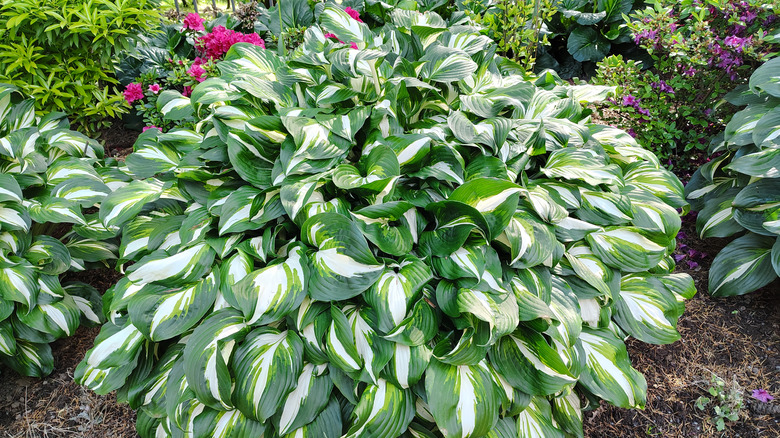
Hostas are another perennial that does well with slightly acidic soil. Coffee grounds can also benefit them by providing better soil drainage and preventing them from being eaten by slugs. The nitrogen in the coffee grounds also helps promote beautiful, green leaves. To apply, you will want to mix the grounds with other organic material and sprinkle the mixture around the base of your hosta. You should always lightly mix your coffee grounds into the topsoil so they don't create a crust that water can't penetrate.
Dahlias
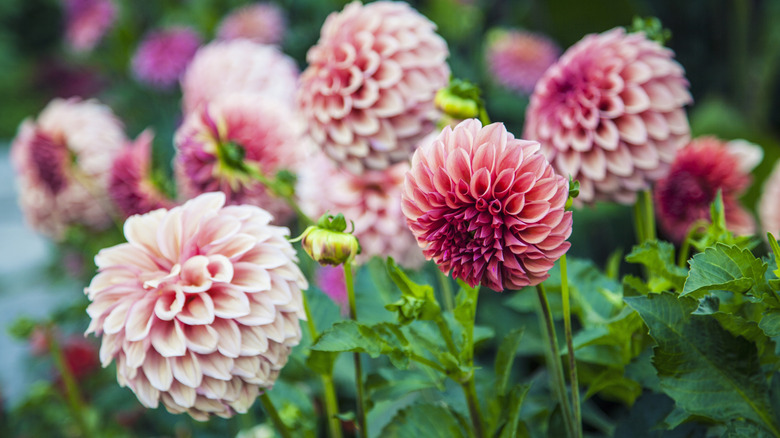
Similar to roses, dahlias benefit from coffee grounds as an amendment to the surrounding soil — they like acidic soil. Some of the biggest ways coffee grounds benefit dahlias are by deterring pests and adding needed organic matter to the soil. Add some compost containing spent coffee grounds to your topsoil, and, as with roses, avoid letting the coffee grounds touch the stems. You can also sprinkle a little around the plant and lightly mix it into the soil.
Rhododendrons
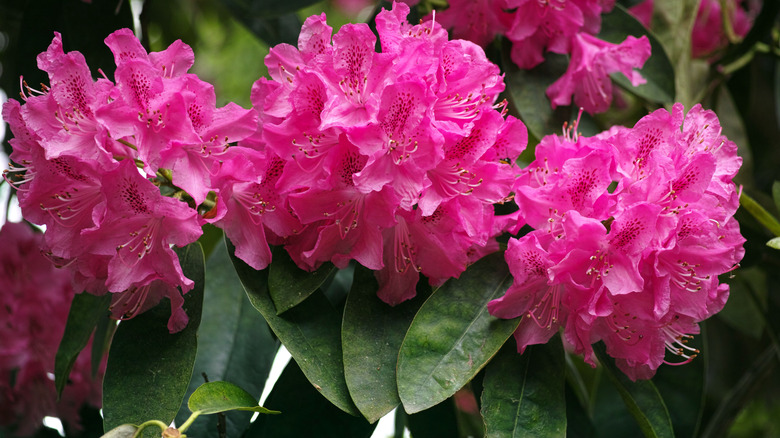
The biggest benefits of adding coffee grounds to the soil around your rhodies are providing organic matter and serving as a pest deterrent. The coffee grounds add a minimal amount of acid to the soil, which rhododendrons actually thrive in, and is beneficial to their health. As with the other flowers on our list, it's important when adding coffee grounds to keep them away from the plant's stem and to lightly incorporate them into the soil, never leaving them on top.
Blueberries

If you want big, beautiful blueberry yields, it's important to use coffee grounds properly to amend your blueberry plants' soil. Yes, it's true blueberries love acidic soil, but there is also a balance you need to maintain. To produce a good harvest, first check your soil's pH; if it's high, amend it with used grounds. If your soil's pH is low, you don't need to add grounds. Adding coffee grounds when it's not needed will make for a beautiful, green blueberry bush, but little to no berries. When you do add coffee grounds, just use a small amount, a ¼ inch on the soil or less.
Bleeding heart
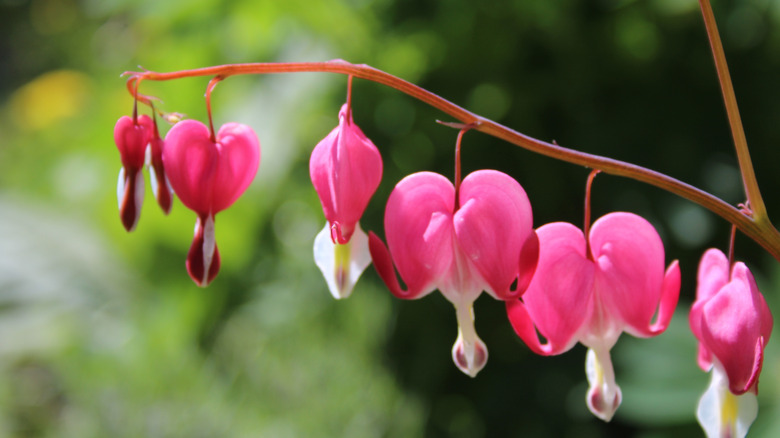
The best thing to do for your bleeding hearts in the spring is to add a little top dressing. While used coffee grounds shouldn't be your sole source of nutrients, you can add them to your regular spring compost routine to boost organic matter, add a little acid, and help ward off pesky bugs and slugs. Bleeding hearts are pretty low-maintenance, and you should only use coffee to give them a little boost when their leaves start coming on in early spring.