

Plant This Pollinator-Attracting Native Shrub In April For Beautiful Blooms In The Summer
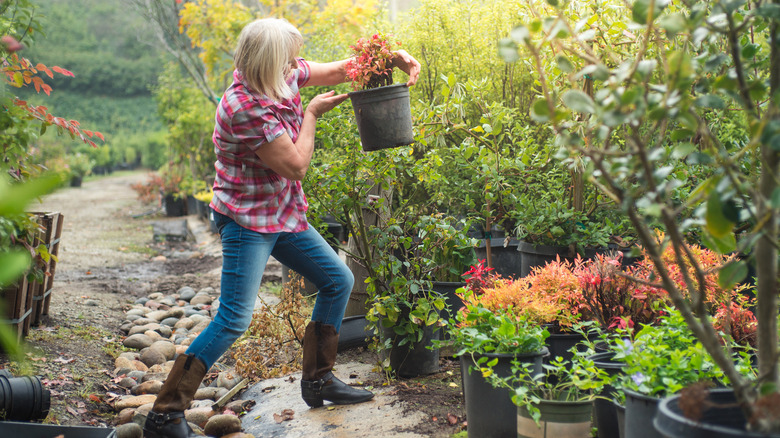
April is the perfect time to get back into the garden, where you can delight at bumblebees buzzing among spring's first flowers. As a fan of pollinators, you no doubt already know how important it is to grow a variety of native plants to encourage biodiversity. And if you're a gardener hoping to attract butterflies and other beneficial insects, count rose spirea (Spiraea douglasii) as one of the gorgeous, low-maintenance shrubs that can handle wet soil and reward you with summer blooms.
Also known as Douglas's spirea, rose spirea is a deciduous shrub native to western regions of the U.S. and Canada, including Northern California, Oregon, Washington, Montana, and Alaska. It bears showy clusters of small pink flowers that pollinators can feed from all summer long. In addition to its eye-catching blooms, this native spirea has dark green foliage and grows up to 10 feet tall. Be careful not to confuse it with Japanese spirea, which is invasive in a number of Eastern states.
Tips for planting rose spirea to attract pollinators
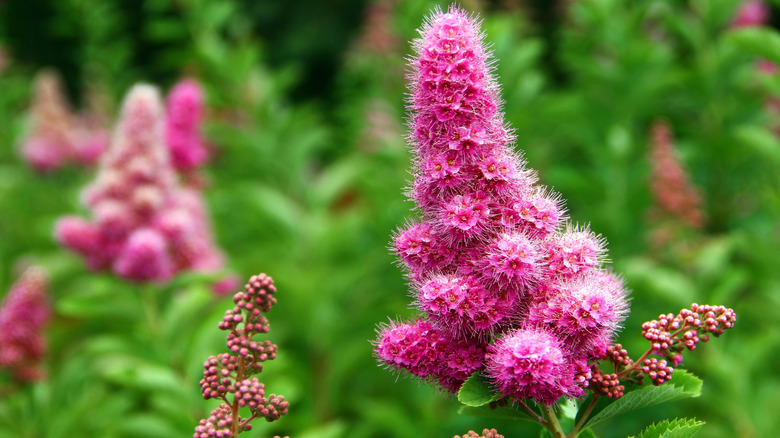
April is a great time to plant rose spirea to attract pollinators during the summer. It thrives in USDA Hardiness Zones 5 to 8, can grow in full sun or partial shade, and is adaptable to different soil types, as long as they're moist or wet. There are many ways to use this pink-blooming native shrub in your landscape to draw in hummingbirds, butterflies, and native bees through the summer months. For example, you can plant it in your rain garden or grow it as a hedge to add privacy to your yard.
Be aware that this fast-maturing species can spread aggressively, so only grow it where you don't mind it turning into a thicket. If you have room for a rose spirea jungle, the wildlife won't mind — birds love using this native shrub's dense branches for cover. Regardless of the location you choose, invite even more pollinators into your yard by growing companion plants alongside your rose spirea's pink blooms. Depending on your yard conditions and location, you could try landscaping rose spirea with willows (Salix spp.), blue eyed grass (Sisyrinchium bellum), or toyon (Heteromeles arbutifolia), all of which attract beneficial insects.