

9 Perennials That Aren't Worth Growing, And 9 Native Swaps You Can Make
I love being outdoors and working in the garden. Being a master gardener, it'd be rather problematic if I didn't. However, as someone who's also practiced permaculture for 20 years, I prefer to opt for labor-saving plants that are native to the region, well-suited to the specific growing conditions, and that do not require constant attention and upkeep. When designing or troubleshooting gardens, I always recommend native swaps where fussy, unsuitable plants are struggling, because they're easier to grow, conserve water, better support local wildlife, and just make your garden less frustrating and more enjoyable. Maintenance-heavy plants that don't truly match your soil or climate become expensive and annoying very quickly.
Wherever you live, there are great native perennial plants you can swap for those common problem ones. These alternatives have similar looks and growth habits, but are far less needy and high-maintenance. Choosing the right perennial swaps can help you build a more manageable, less stressful, and longer-blooming native perennial garden that you can really enjoy.
Don't grow hybrid astilbe
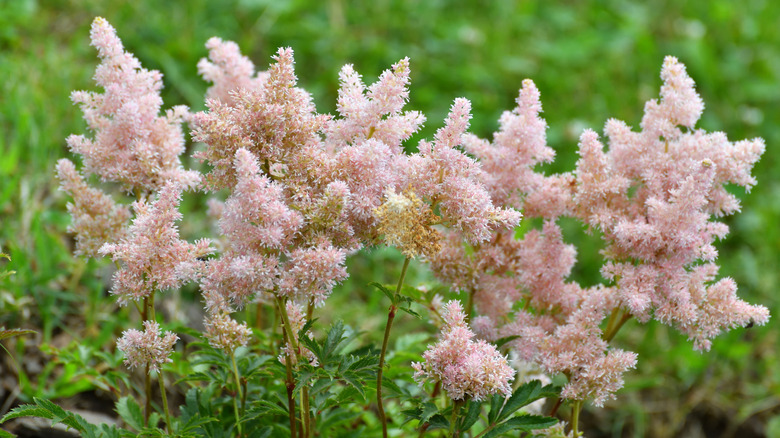
Walk into any nursery in spring, and hybrid astilbe are everywhere. They look genuinely irresistible, too, with those feathery plumes of pink and red. But hybrid astilbe won't stay looking that good unless you can meet its list of demands. It'll droop, get brown and crispy, stop flowering, and get diseases, which can spread to the rest of the garden.
It needs rich, moist soil with consistent moisture throughout the growing season. If you let the soil dry out a tiny bit too much and the foliage quickly turns brown. The same goes for if it gets too much sun. You'll also need to divide clumps around every four years to keep it flowering well. It's also prone to powdery mildew, fusarium wilt, and bacterial leaf spot.
Grow Appalachian false goat's beard instead
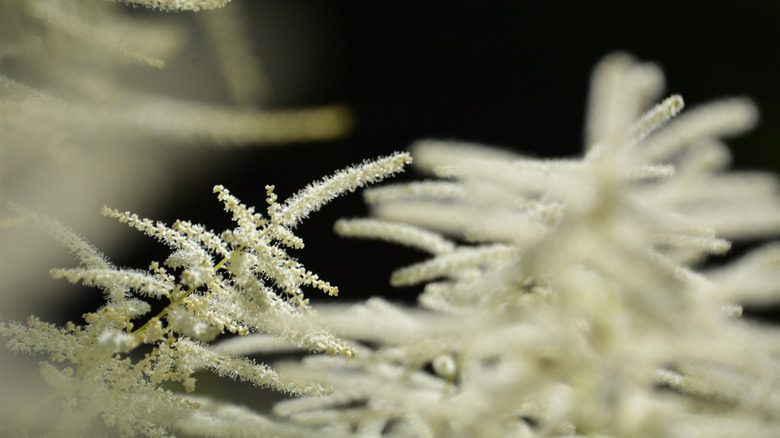
Appalachian false goat's beard (Astilbe biternata) gets you the same tall, feathery plumes in partial shade. This one is a brilliant ornamental shade plant and has large, pyramidal flower clusters. It blooms in late spring through early summer and can reach up to 6 feet tall. It's a lovely choice for the back of a woodland border. Once the blooms finish, the foliage turns yellow, adding interest to the fall garden, too.
This astilbe is the only one that's actually native to North America. It's more adaptable than other varieties. Plus, it's less prone to disease under general garden conditions, although powdery mildew is still possible, so just keep an eye out for it. It does prefer moist, fertile soil, but it won't shrivel up and go brown with a tiny bit of excess sun, and it can cope a little better with short periods of dryness.
Don't grow delphinium
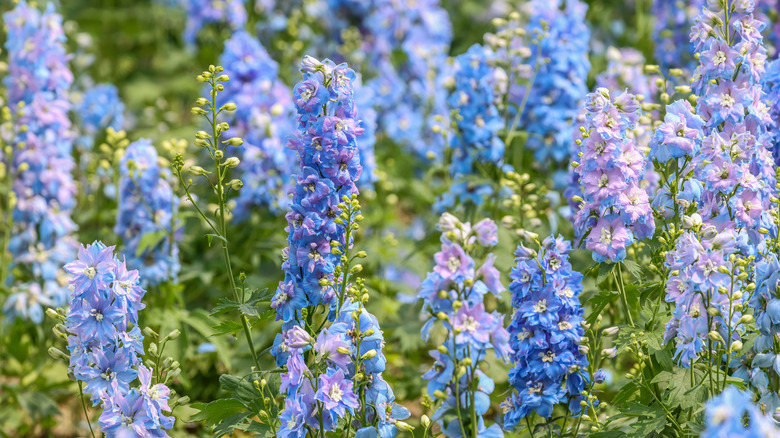
Delphiniums are one of those plants that photographs beautifully, but performs disappointingly. They are fairly short-lived outside of cool, dry climates and struggle badly in humid summer conditions. And yet, they're one of the most common perennials. Delphiniums are pretty, but a bit of a pain to grow.
The list of maintenance tasks to help them reach their full potential is long. You need to stake, feed, and deadhead. Plus, you'll need to keep on top of airflow and disease management, as they are prone to things like powdery mildew and crown rot, and particularly delphinium blight. They are also pest magnets for slugs and aphids. Delphiniums need cool summers, low humidity, good drainage, and rich soil, which is a combination only found in a small number of American yards.
Grow blue false indigo instead
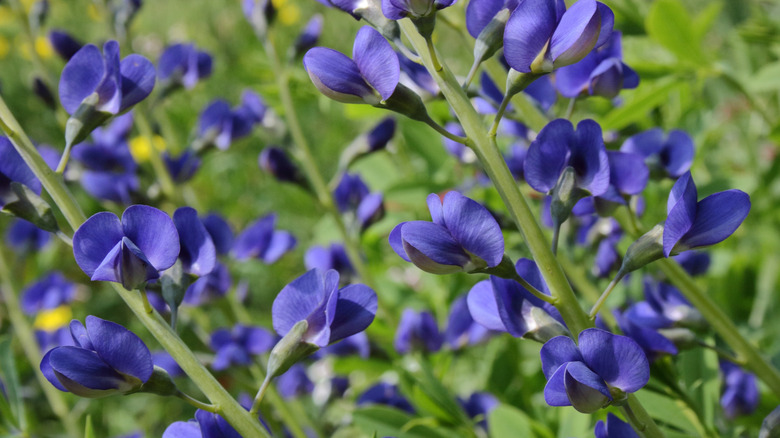
Blue false indigo (Baptisia australis) is lovely and likes to be left alone. It has gorgeous tall, upright indigo blue flower spikes that are very dramatic and striking. Blue false indigo was also named 2010's Perennial Plant of the Year by the Perennial Plant Association. Plant this blue perennial in spring and let it get established. After establishing, it becomes drought-tolerant, copes with poor soil, and isn't really bothered by pests or disease. Even browsing deer ignore it.
The reason this is a less popular perennial is that it doesn't give instant gratification. Blue false indigo requires patience. In the first couple of seasons, most of the growth is happening below ground as it establishes a deep tap root and a network of lateral roots. It does still flower during this time, but it's not until the third season that it really hits its stride with those impressive spires of deep colored flowers. From that point, if you leave the plant alone, it'll reward you with decades of flowers from a large, shrub-like clump. Plus, of course, the black seed pods that follow the flowers add interest to the winter garden and provide valuable wildlife food.
Don't grow Russell lupines
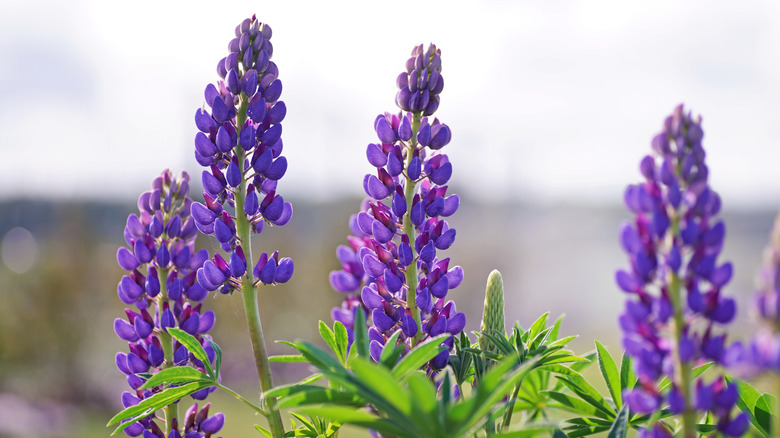
Russell lupines like cool, mild climates and really struggle anywhere else. They're not big fans of summer heat and humidity, so they need constant moisture and tend to be even more short-lived than normal. Plus, Russell lupines are notorious for powdery mildew and aphid infestations.
In fact, because they only flower well for a couple of years, and because the flowers don't stick around, Russell lupines are frequently grown as annuals. Gardeners use them for a brief splash of color in the border because they do have lovely vibrant flower spikes, however, the amount of maintenance required compared to the payoff generally isn't worth it.
Grow giant hyssop instead
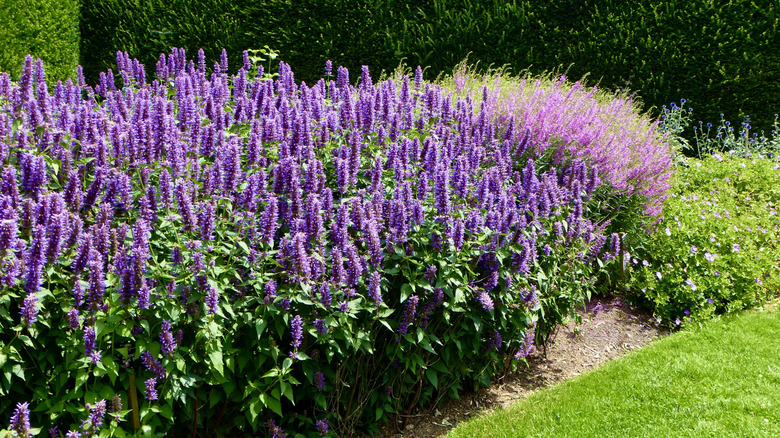
Giant hyssop (Agastache) is a much better choice for most gardeners. You get the same tall flower spike effect and a much longer flowering season. Giant hyssops are drought- and heat-tolerant after the first year and, once they get themselves established, they don't need much in the way of water and maintenance. These plants are also resistant to rabbit and deer and aren't particularly prone to any significant pest or disease issues, although aphids, thrips, and slugs can pop up. And giant hyssop is incredibly popular with pollinators, especially hummingbirds.
There are plenty of varieties to choose from, and they all have long bloom times, from mid-summer well into fall. And most are hardy in USDA Zones 5 through 10. I love anise hyssop because of its stronger licorice or anise-scented foliage. All giant hyssops have a spicy, minty licorice fragrance, but anise hyssop tends to be a little stronger. Yellow giant hyssop is another popular option, and I also really like the 'Black Adder' cultivar because of its purple haze flower spike effect.
Don't grow hollyhock
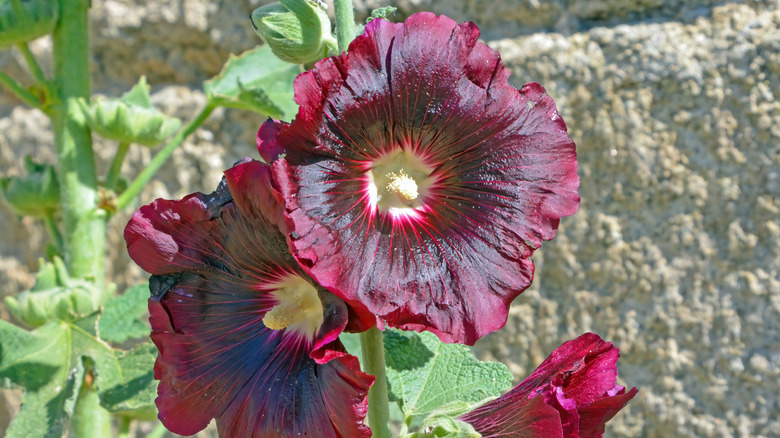
Hollyhock is lovely in a romantic cottage garden kind of way. It grows fast and has those lovely, distinctive flowers. But these perennials are prone to leaf spot, anthracnose, and rust. These plant pathogens spread quickly, and the lower foliage ends up looking awful, even though the plant is still trying to produce flowers. Hollyhocks are also magnets for slugs, spider mites, and Japanese beetles.
As they're only short-lived perennials, or biennials, they need a huge amount of maintenance for a small, short payoff. They also notoriously self-seed, which is why many people mistake them for long-lived perennials. So if you do grow hollyhocks, just know that you'll be spending a huge amount of time tending to them.
Grow foxglove beardtongue instead
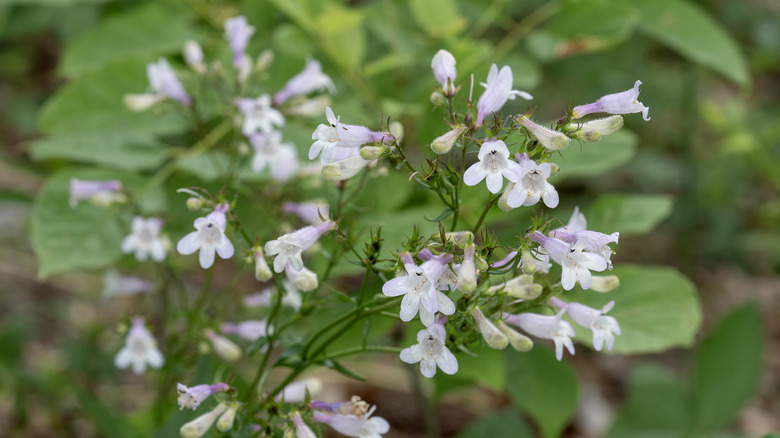
I adore foxglove beardtongue (Penstemon digitalis). It is a native perennial that requires very little attention. These plants are not fussy and aren't really prone to any serious pest or disease issues. Foxglove beard tongues can grow up to 5 feet tall, and they have daintier, small, elegant white flowers, unlike true foxgloves with their large bell-shaped flowers.
These are not true foxgloves and don't have the same level of toxicity as their namesakes, although it's still not a good idea to let children or pets chew on them. Foxglove beardtongues bloom from late spring through early summer and are a brilliant early source of food for hummingbirds, bees, butterflies, and other pollinators. These plants are also tolerant of heavier soils and periodic drought conditions once established. And, some cultivars, like 'Husker Red,' also have attractive, colorful foliage.
Don't grow tall garden phlox
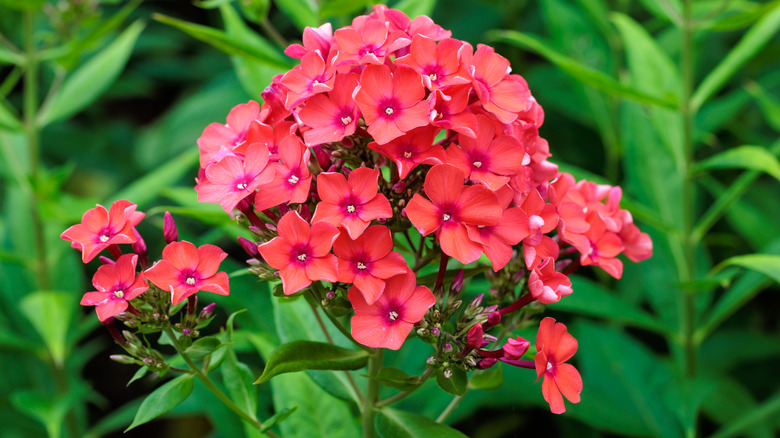
Tall garden phlox (Phlox paniculata) is undeniably pretty in the right conditions, but it is very prone to powdery mildew in warm, humid conditions. So if you have those muggy summers or you know you already have an issue with powdery mildew, this is one plant to skip. Powdery mildew spreads on tall garden phlox rapidly, coating leaves in those nasty white-grey fungal patches in a matter of days. Yes, there are a few resistant cultivars, like 'Katherine' or 'Peppermint Twist,' but none are properly resistant if planted in the wrong conditions.
Plus, of course, root rot, phlox bugs, and spider mites are all common issues. If you have a mild, dry climate, can maintain really good airflow, and have nutrient-rich soil and plenty of moisture, then tall garden phlox is still an option. But it's a finicky, high-maintenance one. You've been warned.
Grow smooth phlox instead
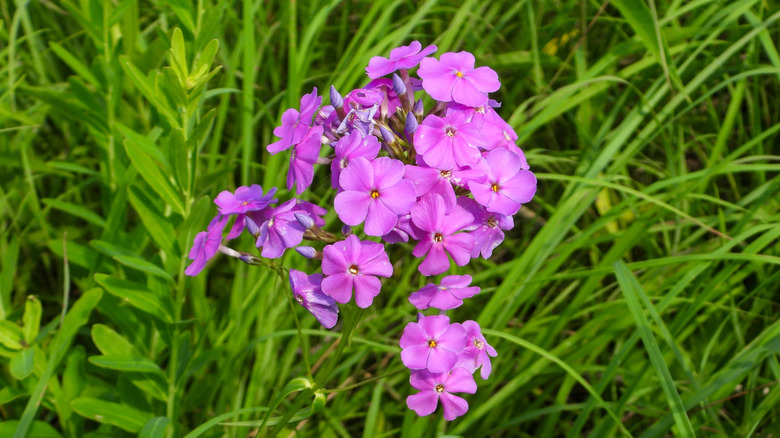
Smooth phlox (Phlox glaberrima) has the distinctive phlox look, with dense clusters of flowers that draw in the butterflies, and the classic cottage garden border appeal. The key difference being that it is much more resistant to powdery mildew and root rot. It's also heat- and humidity-tolerant. This native perennial is a much stronger contender than heavily hybridized alternatives like tall garden phlox, as well as being much easier to care for.
Smooth phlox grows to around 3 feet, blooms in early summer, and is a pollinator favorite. It's particularly attractive to butterflies like swallowtails, monarchs, and sulfurs. It also makes excellent winter habitat for a variety of useful insects if you hold off cutting them back until late spring. Popular cultivars include 'Bill Baker,' 'Triple Play,' and 'Morris Berd.'
Don't grow florist mums
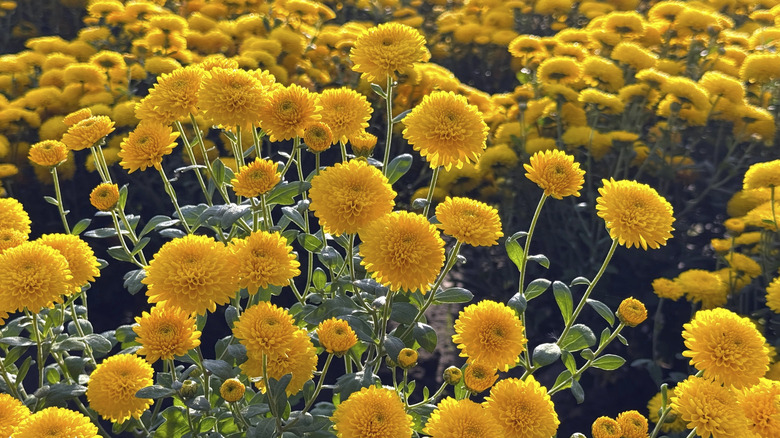
Florist mums are sold as perennials, often pre-potted, but really perform more like overpriced annuals. They are generally borderline hardy at best, and are prone to failing to overwinter reliably, even if you're not in an extreme cold zone. These are also often over-conditioned for container growing, so they struggle in an actual garden bed. They are more greenhouse or display types, not like the tougher garden mum.
This type of mum also gets aphid and lace bug infestations and will get diseases like bacterial wilt and southern blight. Yes, florist mums give a beautiful burst of color in the fall, but to keep them compact and growing well, you'll need to pinch them out regularly. If you don't, you'll end up with floppy, open plants and poor performance.
Grow aromatic aster instead
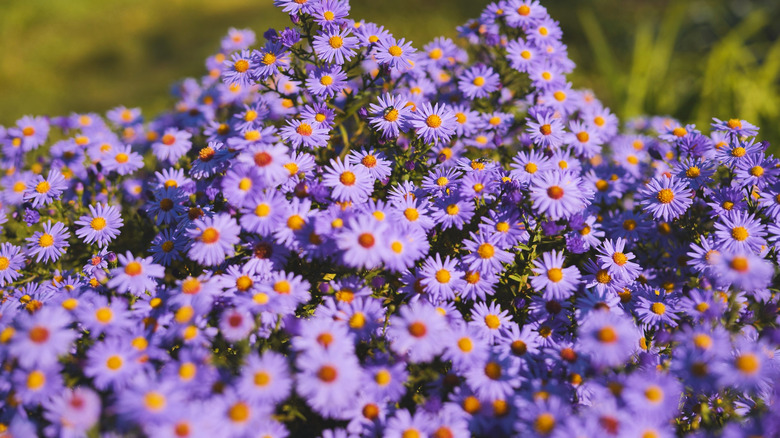
Aromatic aster (Symphyotrichum oblongifolium) is a lovely native perennial that butterflies love. It also produces the same shock of late-season color as florist mums. I love asters because they are hardy perennials that need very little maintenance. They really don't ask for much. Aromatic asters are drought-tolerant, deer and rabbits don't like them, and they're not particularly bothered by pests or disease, apart from powdery mildew and aster wilt in poor conditions.
This member of the daisy family can cope with thin soil, doesn't want you to fuss over it too much, and brings pollinators to your yard. However, it does freely self-seed and spread via stolons. So unless you're happy for these pretty, hardy plants to pop up all over your beds and borders, you may want to keep on top of managing them. If you've got plenty of other established plants in the borders, this isn't a massive problem, though, as they will mostly self-manage and stop too many new plants from popping up.
Don't grow bearded iris
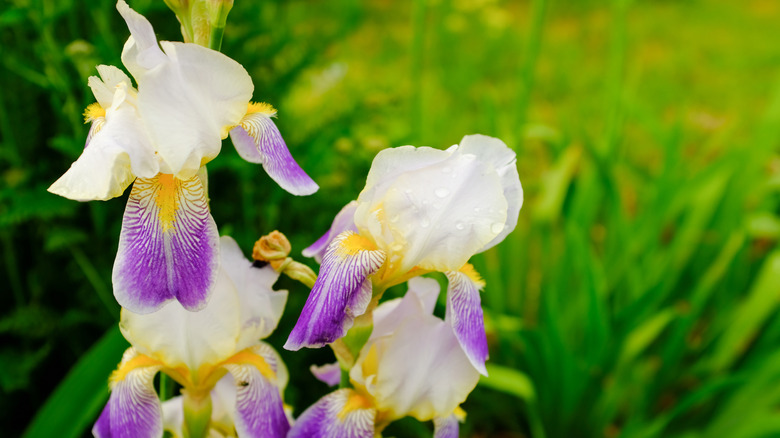
People grow bearded iris for the drama it brings. And it really does, but only if you get the conditions just right. Otherwise, all you get is a whole lot of ongoing maintenance. To reach their full potential, bearded iris needs a very precise planting depth. It's surprisingly sensitive. A little too deep or too wet, and it rots. The rhizomes must sit at or just above the soil surface and there must be sharp drainage. You also need to divide it every few years if you want to keep it growing and flowering.
It suffers from iris borers and a variety of fungal diseases that can devastate a whole planting in short order. And, because the borers tend to get into the rhizomes, which you can only see a tiny bit of, by the time you know there's a problem, the damage is extensive and often beyond saving. Bearded iris is also very sensitive to being too wet and often won't make it through the winter in wetter regions. In addition, I'd personally argue that, although beauty is in the eye of the beholder, bearded iris is just not that attractive.
Grow eastern bluestar instead
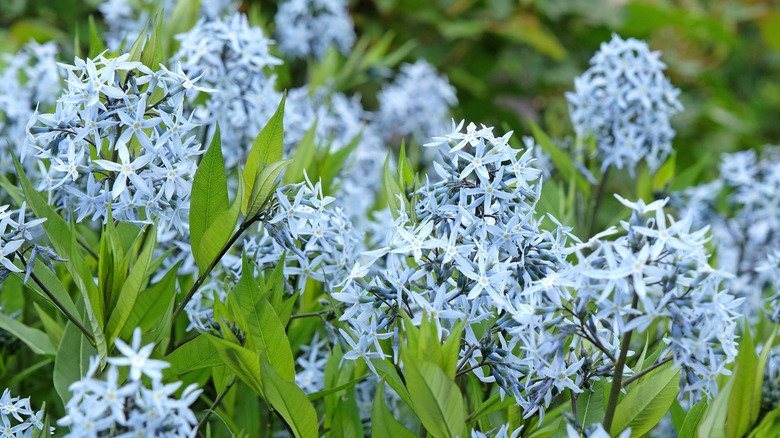
Eastern bluestar (Amsonia tabernaemontana) is a much better option for a sunny border perennial in USDA Zones 3 to 9. It has lovely soft blue flowers in spring, and it brings interest in the fall, too, with its pretty golden foliage. It's a native herbaceous perennial that copes with most soil conditions. Now, it is true that it doesn't bring the same dramatic look as the bearded iris, but it is much more resilient and, in my opinion, much prettier, with its small blue flower clusters and low-maintenance clumping habit.
Hummingbirds love eastern bluestar, but it is one of those plants that takes a little patience. It improves with age, and really hits its stride after about three years. But it's long-lived and very self-sufficient once it gets going. The only intervention you'll need to make is to cut it back by about a third every year or two if you want to keep the clumps compact. But equally, you can leave it to grow naturally without cutting. The clumps will just be a little looser. You may also want to stake the plants in very rich soils, where they can get very large and maybe a little floppy.
Don't grow old-fashioned bleeding heart
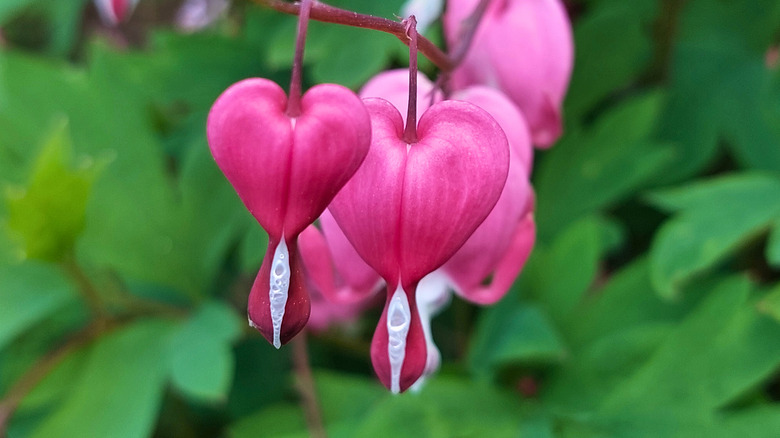
I really like bleeding heart. I remember being fascinated by it as a kid. But old-fashioned bleeding heart finishes after just a couple of months, going dormant in early summer. So it leaves a real bare gap in a border that you'd need to cover with other plants, but nothing that would smother the roots of the bleeding heart.
This plant needs rich, moist soil and doesn't do well in wet winters or dry summers. It's genuinely beautiful when it is at its best, but that yellowing, collapsing foliage during the height of the growing season can spoil the look of a summer border. You can definitely grow old-fashioned bleeding heart as part of a well-planned garden bed, but it still has its drawbacks.
Grow fringed bleeding heart instead
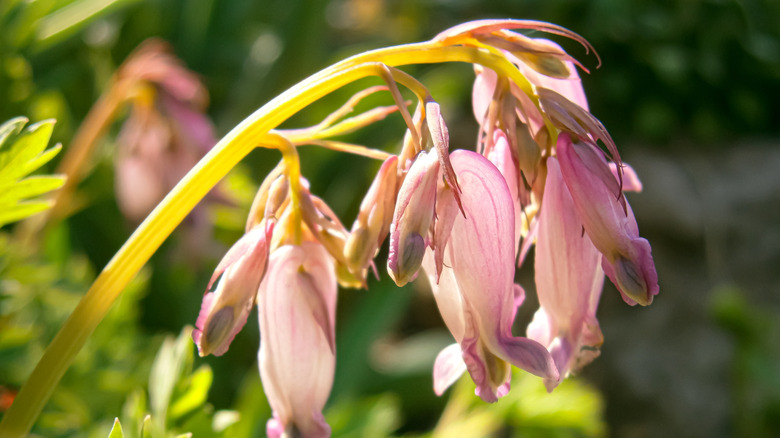
Fringed bleeding heart (Dicentra eximia) is the native perennial I'd recommend to substitute for old-fashioned bleeding heart. It gives that same soft, romantic, woodland feel — you'll see the very similar little dangling hearts and gray-green foliage. But this one lasts longer and doesn't die off in early summer. In fact, the foliage of fringed bleeding heart lasts all summer and into fall. It also blooms for longer and will flower intermittently all through summer if you keep deadheading it. In some cooler climates, fringed bleeding heart will also rebloom in fall, giving you a flush of much-needed fall color.
It has a fairly compact, tidy growth habit, so it'll work well in even a small woodland garden without overwhelming the space. It does need consistent moisture, decent soil, and some shade, though. However, in my opinion, the payoff is worth it.
Don't grow hybrid columbines
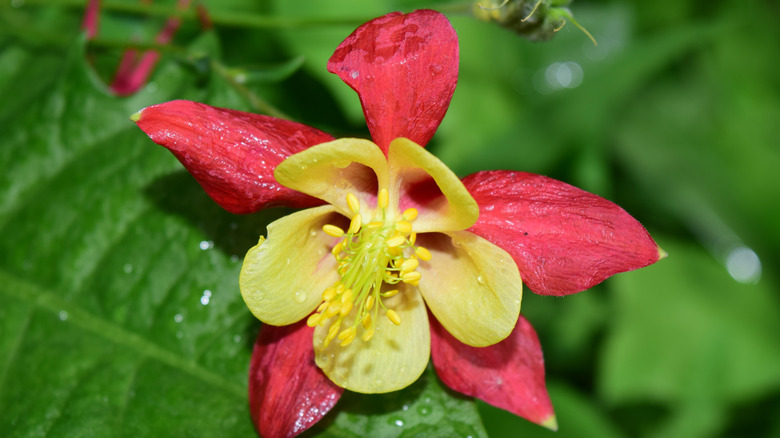
The ruffled, multicolored blooms of hybrid columbines are undeniably fabulous in spring. But by mid-summer, these plants are often looking very sad indeed. Most of these hybrids are bred for form, rather than stamina, strength, and persistence. And so they are prone to problems. Leaf miners, in particular, attack hybrid columbines with vigor, and, while mostly the damage is cosmetic, heavy infestations can weaken the plants.
Other common issues include aphids, stem borers, powdery mildew, and leaf spot. Plus, they are short-lived. And, as a permaculture specialist, I particularly dislike the heavily hybridized variations. The double flowers that are heavily modified for appearance often grow in such a way that the valuable nectar inside is inaccessible to pollinators. I feel like heavily hybridized columbines are classic examples of the old saying, "Just because you can, doesn't mean you should."
Grow eastern red columbine instead
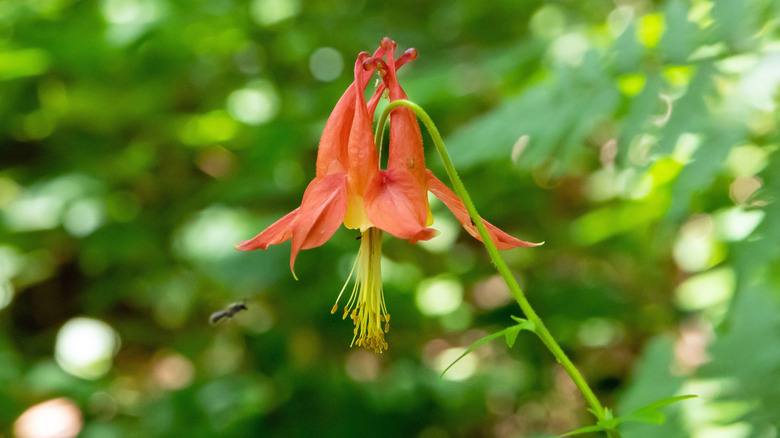
If you like the look of the columbine, go with eastern red columbine (Aquilegia canadensis) instead. They are beautiful, even though the blooms are somewhat simpler than the fancier hybrids. Eastern red columbines are loved by ruby-throated hummingbirds, thanks to their nectar-rich red and yellow-spurred flowers. They grow well in partial shade or full sun in USDA Zones 3 to 8, and can cope with rough soil conditions.
These plants also self-seed freely, so even though they are fairly short-lived, you'll rarely notice because the self-seeded ones grow and flower, too, and over time, you end up with a fantastic naturalized colony. Eastern red columbines are also not as badly affected by leaf miners as the hybridized cultivars.