

How To Plant Leeks In April For A Big & Delicious Summer Harvest
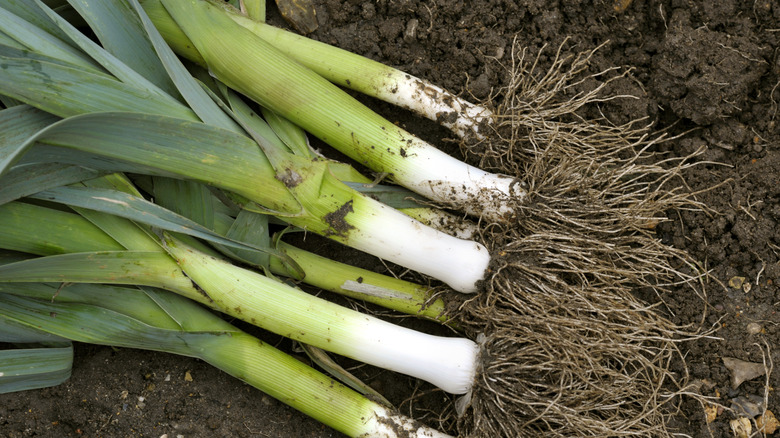
The growing season starts when you first put seeds in a tray, and it ends when you're cleaning up after the fall harvest. That idea works in theory, but in practice, the lines can get blurry. Few vegetables illustrate how complicated the idea of a growing season can be better than the leek, because depending on your climate and the type you grow, you can start and harvest these flavorful alliums almost any time of year. With its long season, success often requires patience. However, there are many varieties, including some you can plant in April for a delicious summer harvest. This time of year, you can sow them directly in the ground, or start them indoors from seed before transplanting them outside.
Although leeks have been cultivated for thousands of years and are popular in Europe, they're less common in the United States. Leeks can withstand cold snaps and shrug off the summer heat, making them one of the top winter vegetables to grow in your garden. Like other alliums, such as onions, garlic, chives, and shallots, leeks have a growing season that looks a little different from traditional garden vegetables. From early-season bunching varieties that are ready in 50 days to popular late-season cultivars that take 150 to 180 days, leeks are one of the most rewarding members of the onion family to grow. By choosing the right cultivars and growing techniques, your growing season for leeks can be whatever you want it to be.
Choose the right variety of leek for a delicious summer harvest
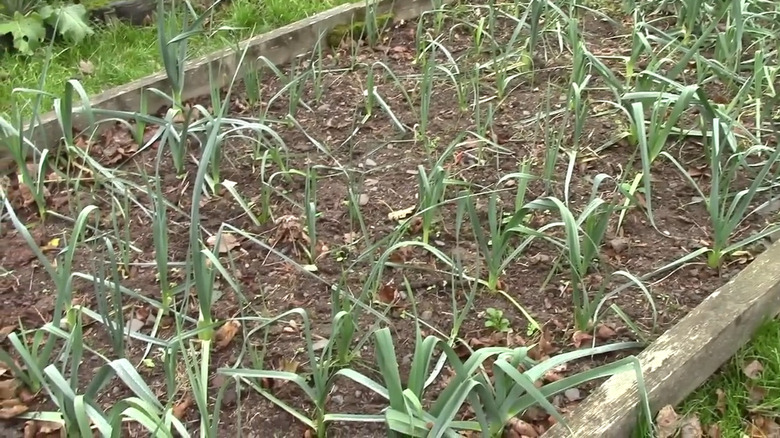
Leek cultivars range from fast-growing types ready in 50 to 75 days to late-season varieties that can be harvested throughout winter, depending on your climate. If your goal is to harvest leeks during the summer, you'll want to stick to the early and mid-season varieties. However, if you want leeks that get more flavorful with each frost and can be left in the ground until you're ready to use them, then the popular late-season varieties like 'Giant Musselburgh' are the ones you're looking for.
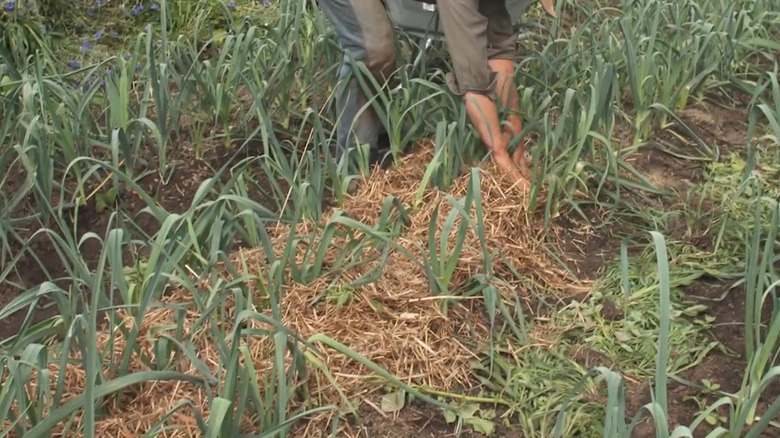
In some climates, summer leeks can be mulched to extend the growing season, but while these early varieties aren't usually as cold-hardy as late-season leeks, they grow so quickly they don't really need to be. Cultivars like 'Rival' and 'Columbus' mature in about 80 days, with 'Rival' reaching up to 3 feet tall and producing thick shafts nearly a foot long. Mid-season cultivars, including 'Dawn Giant' and 'Jolant,' are ready in about 100 days from planting.
Summer leeks are still almost a month faster to mature than late-season varieties such as 'Otina' and 'Titan,' which are ready in about 120 days. Winter-hardy varieties, including 'Bandit' at 135 days and 'Giant Musselburgh' at 150 days, are still in peak growing mode during the summer. And when it comes to the best time to harvest leeks, the extra-late season 'Laura' takes 180 days to mature.
Discover how to plant and grow leeks for a summer harvest
Although we treat them as an annual for the purposes of gardening, leeks are a cold-hardy biennial. In the first year from seed, leeks develop thick shafts that will overwinter and support flowers in the second year. Gardeners in cooler climates start them indoors to extend the growing season so the shafts will get as large as possible before it gets too cold. If you're sowing leeks in April, you can do it indoors or out, but just be aware that late frosts can harm young seedlings.
Although leeks are a cool-season crop, they are started indoors about 10 weeks before the last frost in climates with shorter growing seasons. This gives extra late-season varieties the time they need to mature before the weather turns. But if you're starting them in April and growing them indoors for about 4 weeks, you have plenty of time for summer leek varieties to be done by the end of August. Before transplanting, wait until the seedlings are about 6 inches tall, then trim the leaves back to about 2 inches. Harden them off for a few days to minimize transplanting shock.
You can also direct-sow leeks in April after soil temperatures reach 50 degrees Fahrenheit. At pencil size, start harvesting young leeks, thinning them to about 6 inches apart. Use the planting trick that makes leeks taste sweeter by starting them in trenches and hilling the soil around them as they grow to blanch the stalks.