

The Overlooked Tip For Designing A Dining Room (It's So Obvious)
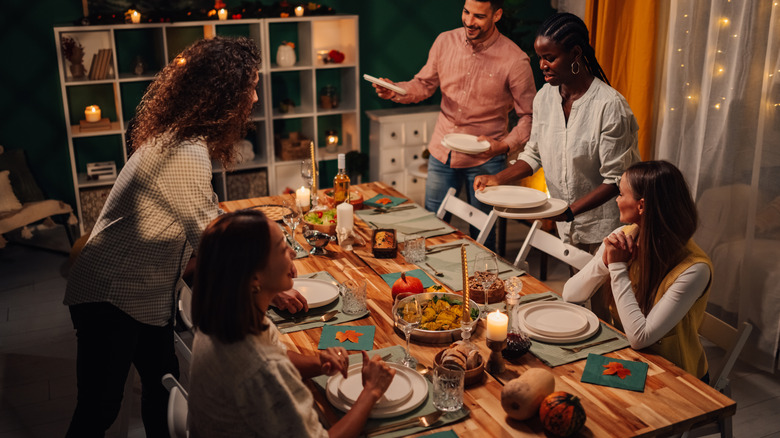
The word on the street is that the once-outdated dining room is making a quiet yet powerful comeback. Over the last decade, dining rooms were quietly dispensed with as homeowners embraced open layouts and multi-functional spaces. But with lifestyles evolving (especially in the aftermath of the pandemic), hybrid work culture gaining prominence, and intentionality and mindfulness becoming leading life mantras, people are recognizing the need for a dedicated, private area in their homes. Nowadays, though, when designing this space, it's best to lay off the formal attitude and reimagine it for daily living.
Dining rooms are experiencing a resurgence because they encourage intimacy and thoughtful consumption. To ensure you don't forgo this area simply because it remains underutilized for most of the year, we reached out to Camia Brown, NCIDQ, founder and principal of Camia Brown Interiors, to understand what homeowners can do to preserve its functionality. "One of the most overlooked tips is this: Stop treating the dining room like a formal, untouchable space and start designing it like a lived-in experience," she explained in her exclusive interview with House Digest. "For a long time, dining rooms have been styled to look perfect instead of feel inviting. But when a space feels too precious, people don't use it. That's the disconnect."
Designing a dining room the right way

To design your room right, Camia Brown feels you must shift your mindset. Specifically, stop treating a dining room as a veritable, pristine area and rather think of it as a "functional, emotional space." Once you manage that? "The dining room becomes a place where people actually gather, linger, and connect," she noted in her exclusive House Digest interview. "It stops being a once-a-year holiday setup and becomes part of everyday life." Things improve further as you thoughtfully incorporate wallpaper, lighting, and textures into the room. These inject depth, life, and energy and transform this blank, undeveloped canvas into a room with a solid identity and anchorage.
To accomplish this, first define its purpose. "Is it for entertaining? Family dinners? Homework? Game nights? Morning coffee? That answer should guide every decision," Brown advised. Also, factor in your home's layout. A delineated or boxed-in dining room offers greater liberty, as you can experiment with different styles or go bold. But if it's connected to the kitchen or dining area, you must aim for a cohesive, unified design that doesn't butcher the overall flow. In addition, you must choose pieces that, along with layering up different colors and textures, speak to your personality and help create the kind of everyday experience you truly desire.
Don't dither on layering, and hone in on proportions
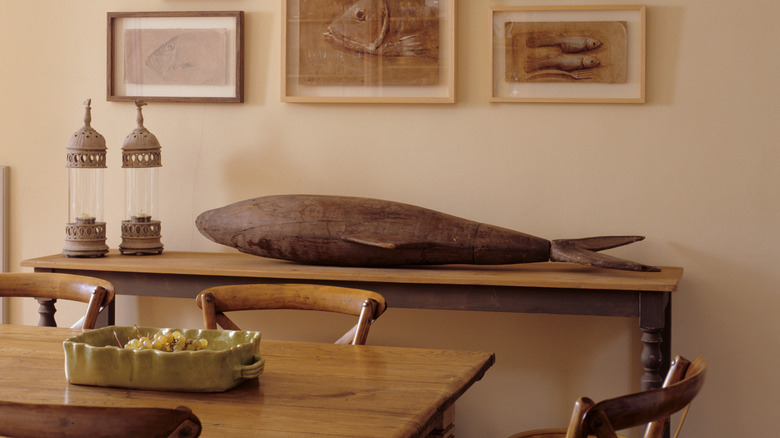
In her exclusive interview with House Digest, Camia Brown mentioned that her biggest gripe when homeowners design their dining rooms is that they play it too safe and are usually afraid of committing to a design. "People leave the walls blank, skip the layering, and end up with a room that feels unfinished or disconnected," she added. In return, they miss out on the opportunity to explore unique styles and aesthetics, which is poignant considering dining rooms are some of the best places to take a risk.
Brown also raises concerns about proportionality and scale, stating that many end up choosing an area rug that's too small for their room or using furniture that does a poor job of anchoring the space. Another problem is that people design through the lens of idealization. While it's beautiful to find your inspiration from ornately designed Victorian homes or cozy Pinterest boards, it must translate well and accommodate your lifestyle and daily rhythm. Otherwise, you're unlikely to open the doors unless you're entertaining. "I also see people designing dining rooms for an idealized version of life instead of their real one," she explained. "The result is a space that looks good but doesn't get used." She concluded her interview by encouraging homeowners to view the dining room as a place to connect rather than just to eat. Redefine its purpose until it meets your needs and design it so it reflects your energy and story.