

Here's What To Do If You Find A Baby Fox In Your Yard
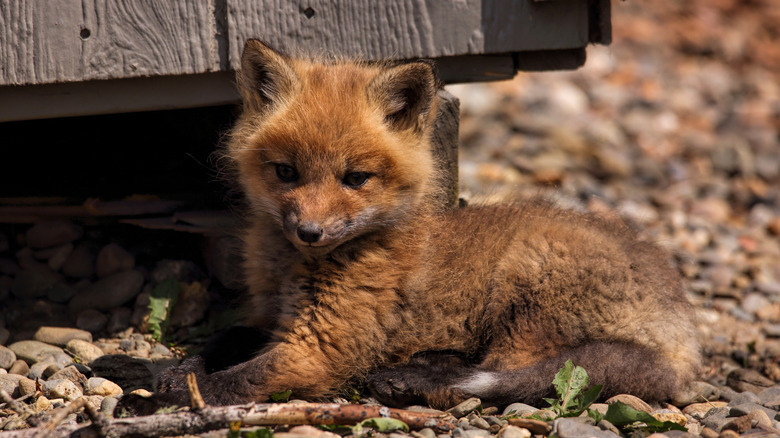
In most yards, wildlife is a welcome sight. Many homeowners are happy about native birds and pollinators, but there are mixed feelings on other backyard visitors like deer and rabbits, which can cause damage to gardens. However, when it comes to predatory animals, like foxes, homeowners and renters should be aware of the dangers and appropriate actions to take to keep themselves and the animals safe. Finding a baby fox in your yard can be quite concerning, but it doesn't mean there is any immediate danger. In some cases, it may be best to just leave it alone. In others, you may want to get animal control involved. Knowing the difference between these situations and understanding the dos and don'ts of humane pest removal, including when to hire a professional, can keep everyone safe and happy.
First and foremost, you should never approach a baby fox, also known as a kit, when you first spot it. It is common for parents to leave their little ones to explore on their own while they forage for food nearby. If parents catch you attempting to approach their baby, they could attack. Unfortunately for the baby, that's not always the case. Sometimes they have been separated from their parents or orphaned, in which case, you may need to contact local wildlife management authorities to properly relocate and rehabilitate the fox. Another likely scenario is that the fox is sick or otherwise in distress. In any of these situations, you should leave the fox alone, monitor it from a safe distance, and contact local authorities if and when intervention is needed.
What to do about a baby fox in your yard: monitoring and safety considerations
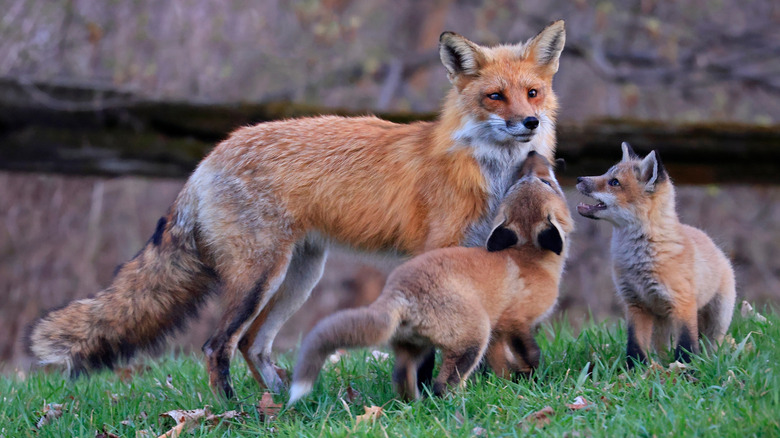
If you notice a fox kit in your yard, the first thing you should do is keep your family and pets away from the area. The parents may be hidden nearby, and you don't want to give them any reason to think the kit is in danger. Once the area is clear, check for any signs of disease or distress. If none are present, watch the area for at least 24 hours. Local wildlife organizations may be able to provide you with a trail cam for proper monitoring. While you wait, look for signs of a den in the area. Do not put out any food or water for the fox during this time, as it can interfere with their hunting education and will make them too comfortable with humans. You also do not want to attempt to relocate the animal yourself, as this may be illegal in your region.
If the parents return, no action is needed; the foxes will move on in their own time once the kit is old enough to hunt. If they do not return, contact local authorities to assist with relocation. If the animal is sick or injured, it is best to contact a wildlife professional for help. For immediate assistance, you can wear thick work gloves and gently guide the animal into a ventilated container while you wait for help to arrive.
You may be left wondering, should you keep foxes out of your yard? Our experts have some insights you may want to check out. At the end of the day, they're not dangerous overall, so long as they are left alone, but there are safe tips and tricks you can use to keep foxes out of your yard.
When to help: signs of disease or distress
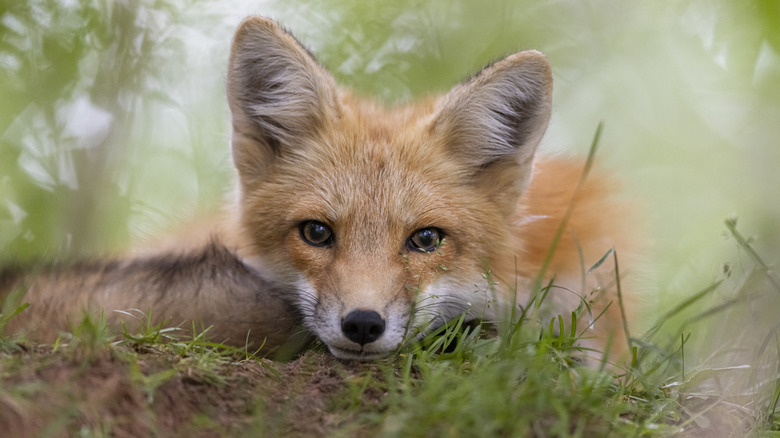
In general, if the fox kit appears to be playful, active, and healthy, you don't need to take any action to help, though you may want to survey the property for a den when it is safe to do so. However, there are several signs to look out for that the kit is diseased or distressed. If you notice any of these signs, call a licensed wildlife rehabilitator to assist. Obvious signs of injury should be immediately reported, especially if the animal was caught by a predator or has broken bones or is bleeding.
The fox kit may be orphaned if it is wandering outside the den and its eyes are unopened or if it is crying and/or approaching people. If you find the den and it has been disturbed, give the parents time to relocate the kit. If you find a dead adult, it doesn't mean the kit is completely orphaned, but it is a reason to contact wildlife services.
The kit may be sick or diseased if you notice any physical abnormalities that prevent it from playing or being aware of human activity. For example, you may notice the animal is emaciated to the point where you can see bones through the skin, vomiting, balance issues, lethargy, or shaking. More subtle signs may include flies circling the animal, heavy, shallow breathing, or crusty eyes or nasal discharge. Call wildlife services immediately if you see any of these symptoms.