

Set Your Garden Up For Success: Spring Tasks Based On Growing Zone

Spring is that wonderful time of the year when every gardener is racing to keep up with Mother Nature. It's busy, chaotic, and exciting. But it looks completely different, and starts at different times, depending on where you live. In Zone 3, the ground may still be frozen when Zone 9 gardeners are already hurrying to get cool-season crops out before summer heat arrives.
Spring in the garden is different in Minnesota compared with Houston, for example. And outside of the most modestly temperate zones, generic advice is next to useless, or can cause more harm than good. As a master gardener, one of the most common mistakes I see people make is treating spring like a universal event. It isn't. What you should be doing in zone 9 in April is wildly different from what a zone 3 or 5 gardener should be doing. Complete tasks in spring based on your growing zone and garden, not an arbitrary date on the calendar.
Warm your soil before the ground is ready (Zones 3–4)
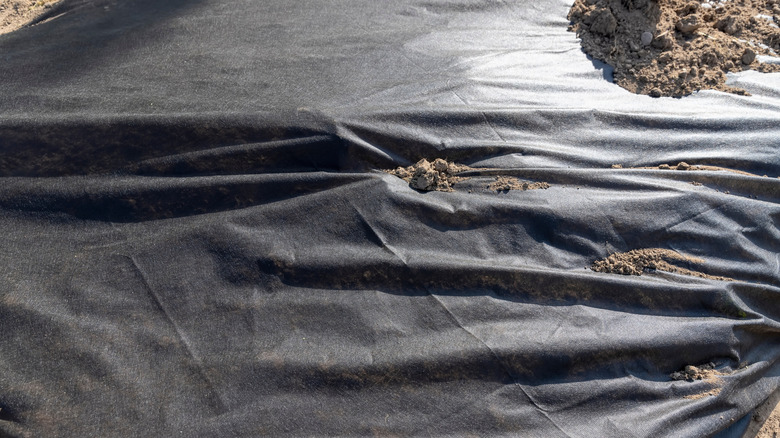
If you're gardening in zones 3 or 4, you've got a very compressed growing season, with typically only around 100 to 150 frost-free days. So every extra day you can squeeze out of your growing season is important. You just have to get a little creative to buy more growing time. One of the easiest ways is to warm up the soil so you can get plants outside earlier. Yes, you'll need to provide frost protection for them, but warming the soil sufficiently is the first step.
Lay thick black plastic sheeting over your beds at least a couple of weeks before you're ready to plant. The plastic absorbs the sun's heat and slowly releases it into the soil below. This persistently raises soil temperature faster than bare ground and lets you get cold-hardy vegetables like spinach and kale into the ground weeks earlier than you otherwise could. You can then plant directly through the plastic, by cutting a cross or a round hole and planting in that hole. I'm a permaculture specialist, so I prefer to lift the plastic, remove any surface roots from vigorous weeds (I'm looking at you, stinging nettles), then plant. Once the plants are in, you can keep the soil warm with a thick layer of mulch. Just make sure it's not touching the plants. I then add frost blankets on hoops over the top. But the warmest option is the plastic, so if you're in the far north, you may have little choice but to keep the plastic down.
Start warm-season seeds indoors (Zones 3–5)
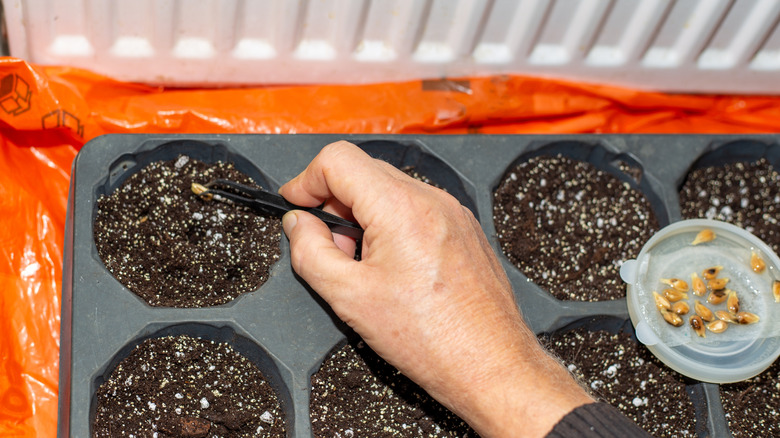
Warm-season plants, like tomatoes, peppers, and eggplant need the biggest head start you can give them if you're in a cooler zone. With so few frost-free days, every extra day you can give them at the start of the year is important. Ideally, they need 8 to 10 weeks of indoor growth before they're ready to plant outdoors in zones 3 to 5. They need to be robust enough to withstand the cooler temperatures of spring, even after the risk of frost has passed, and mature enough that you'll get a decent harvest before the first frost of fall.
Planting seeds indoors as early as possible is important, but don't go too early. There's a balance. If you plant super early to try and get the warm season plants as big as possible before moving them outside, you risk them outgrowing their pots in the greenhouse. And, unless you keep on repotting them as they size up, they'll end up rootbound and stressed. Plus, if the heat in the greenhouse or the lighting conditions aren't right, they'll get leggy.
Use row covers and cold frames to extend the growing season (Zones 3–6)
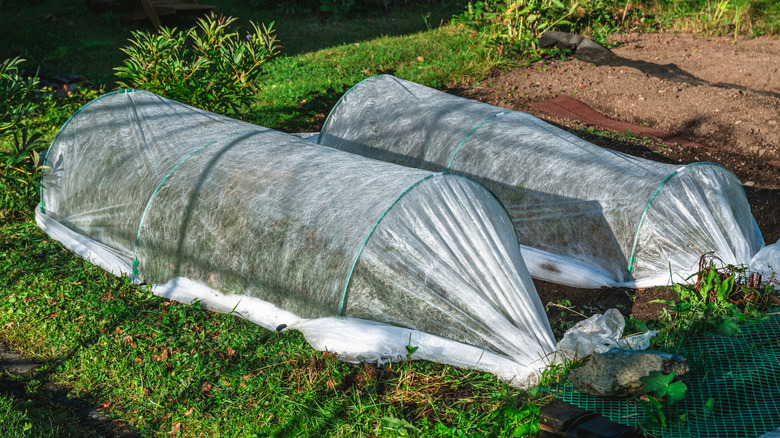
If you're gardening in a cooler climate, frost protection is an absolute must. It's the best option for maximizing your growing season and protecting your vulnerable plants against early and late frosts. Cold frames, row covers, frost blankets made into tunnels with hoops are all essential parts of my gardening toolkit. You can get an extra month at either end of the growing season with decent protection. You can buy the kits or make your own. My fleece tunnels are made from ¼-inch flexible water pipe attached to old 2x4s, with fleece stretched over and anchored to the wood. My temporary setups involve whatever hoops, pipes, or canes I can find, with fleece scraped over and kept in place with rocks, wood, or bricks. And you can easily make your old cold frames with spare wood and an old door or window pane. In fact, it's a great way to repurpose an old window or door.
My advice for spring is to be as prepared as you can. Make sure you've got cold frames and any substantial tunnels already built and in place. But remember that it's always good to have a backup and, no matter how prepared you think you are, Mother Nature can take you by surprise. So, no matter how many frames and tunnels you've got ready for action, keep plenty of spare hoops and floating row covers, or fleece blankets, at the ready. And keep a close eye on the local weather. Also note that even with a cold frame or a warm tunnel to plant into, you'll still need to harden off your seedlings before planting them outside. Otherwise you risk transplant shock, which can set your plants back weeks.
Overseed bare lawn patches before the window closes or opens (Zones 4–9)
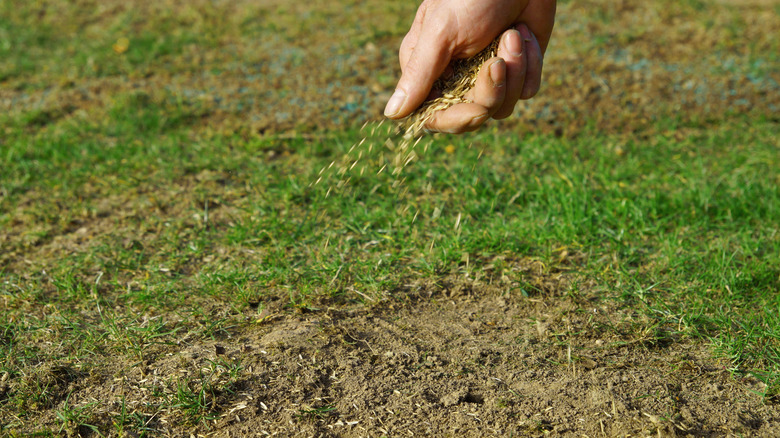
When you overseed your lawn depends on where you live and what type of grass you have. If you live in zones 4 to 7, April to early May is the latest viable time for overseeding cool season grasses, such as Kentucky bluegrass, tall fescue, and perennial ryegrass. For successful overseeding the soil needs to be between 50 and 65 degrees Fahrenheit. But you need to do it early enough that the new grass seedlings get several weeks to establish themselves and to grow decent roots before the summer heat arrives. If you overseed any later in these temperate zones, it will be wasted effort, and you're actually better off waiting until fall.
For those who live in zones 7 through 9, the advice is reversed. You shouldn't overseed warm season grasses such as Bermuda grass and zoysia until soil temperatures have climbed to at least 65 degrees consistently, which typically happens in May. If you lay warm season grass seed in cooler conditions than this, the seed won't germinate or will just rot. If you're not sure how warm it is, you can get a soil thermometer. For the best germination rate, you will need to make sure that the seed has consistent moisture. I also recommend laying a very thin mulch of straw over the area you seed, as this retains moisture, improves germination rates without smothering, and helps to stop birds and small mammals feasting on your newly laid seed.
Fertilize your lawn at the zone-appropriate growth stage (Zones 4–9)
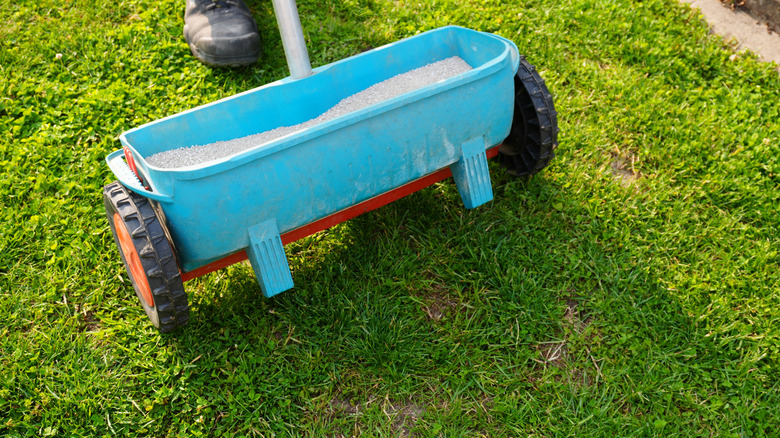
Fertilizing the lawn is one area where I see a lot of wasted effort and wasted product. Now, I am a permaculture specialist, so I don't fertilize my own lawns, and I encourage everyone to build soil health and work at getting their lawn hardier and healthier naturally so they need less fertilizer over time. But I also understand it's an ingrained habit for many people, and it takes time to improve the soil and the plants enough that fertilizer isn't needed. So, if you're still in the cycle of fertilizing your lawn with an organic fertilizer, do it based on your growing zone. Using fertilizer before the grass is actively growing is pointless. The grass can't use the nutrients, the fertilizer either builds mineral salt deposits in the soil or it just runs off. The only thing that'll use the nutrients are the weeds.
For cool season lawns in zones 4 through 7, wait until the soil temperature is between around 55 and 60 degrees Fahrenheit. At this point, the roots start to wake up and can actually start to use the nutrients. Any earlier than this, and at best, nothing will happen, but at worst, you'll push soft top growth without an adequate root system to support it. If you've got a warm season grass in zones 7 to 9, wait until the lawn is visibly growing in late spring, when soil temperatures are consistently at 65 degrees. If you move too early, there's a good chance the excess nitrogen will burn the dormant grass.
Direct-sow cool-season crops as soon as the soil is workable (Zones 5–7)
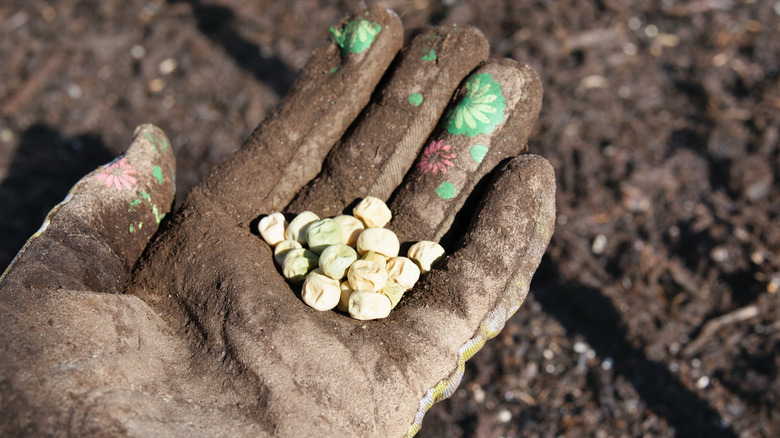
In temperate zones, like 5 through 7, get your cool season crops in the ground in early spring. Things like peas, spinach, lettuce, radishes, and early potatoes and early carrots all need cool temperatures. The earlier you start, the better. As soon as the soil is workable, get them planted. To get the most from these plants, they need to be in early so they mature before the summer heat arrives. If conditions get too warm for them, they'll bolt. Depending on the specific crop, they'll run to seed, turn woody, be bitter, or just stop producing.
Obviously, don't plant when the ground is frozen or waterlogged. But once it's actually workable without damaging its structure, get planting. You're talking about fairly hardy crops here, so they can withstand a bit of frost. And, if you're worried, you can cover the rows with a frost blanket to help get them started. I'd also suggest planting every two weeks or so rather than sowing your whole crop at once. That way, you get to harvest for longer and you're less likely to get a glut that ends up going to waste.
Prune fruit trees and summer-flowering shrubs before bud break (Zones 5–8)
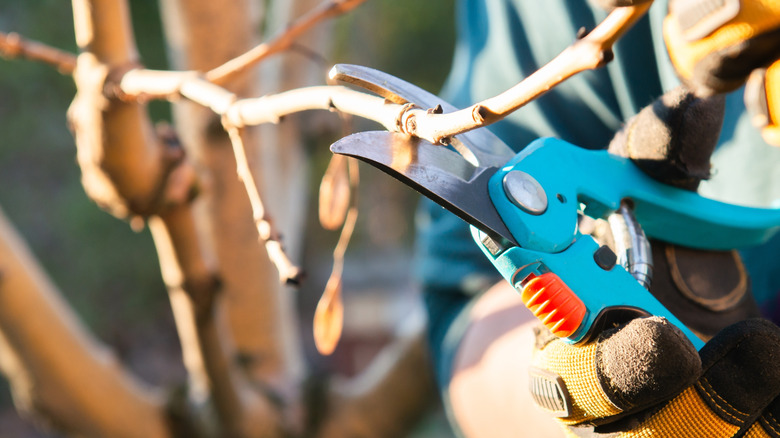
In zones 5 to 8, early spring, before the buds break, usually March to late April, is the best time to prune your fruit trees and summer-flowering shrubs. You want to prune the plant while it's still dormant because disease and pest pressure is lowest, and the wounds you made will heal rapidly as soon as the plant starts actively growing again. However, avoid pruning too early. The idea is to prune after the worst weather but before bud break to minimize cold injury.
For zones 7 and 8, February is the best time. In zones 5 and 6, you'll be looking at late February to March and maybe early April, depending on what you're pruning. But remember this is only for fruit trees and summer-flowering shrubs. For spring-flowering plants like lilacs and magnolia, until after they finish blooming. These tend to flower on last year's wood, so they've already set their buds by early spring, and if you prune them, you'll cut away this year's display.
Transplant based on soil temperature, not just last frost date (Zones 5–8)
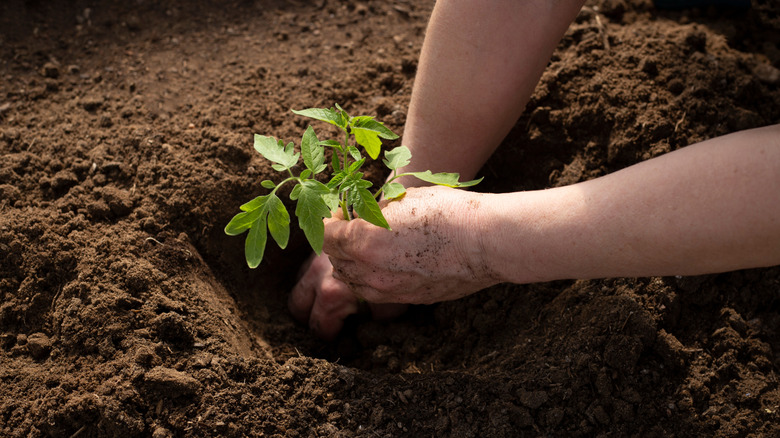
Predicted frost dates are useful, but they're only (very) educated guesstimates. It's a historical average rather than a solid guarantee. And your specific garden conditions, like cold pockets, deeply shaded spots, and soil issues can all impact when you see a frost versus the predicted date for your general growing zone. I generally recommend getting to know your garden for a season or two, watching which bits stay frozen for longer in winter, paying attention to how the sun moves across your space, and then transplant you seedlings accordingly. And, of course, paying attention to local weather forecasts and conditions and check your soil temperature. Tender crops like minimum soil temperatures of around 60 degrees Fahrenheit, and ideally 65 to 70 degrees for maximum growth. And it will vary heavily based on your yard, elevation, and local conditions beyond your assigned hardiness zone.
If you have the space and your plants aren't too stressed, keep them under cover for a week or two beyond the predicted last frost date, just to be safe. Even if you think all chance of frost is passed, you need to be ready to take quick action. You've waited a week beyond the last predicted frost date, and the weather seems stable and warm, so you've gone ahead and planted your tender crops like tomatoes and suddenly, out of nowhere, there's a local cold snap. You need frost protection at the ready, so you can go roll it out to keep those tender plants alive. If there's even a remote chance of frost, better to be safe than sorry.
Plant trees and shrubs while spring conditions are mild (Zones 7–8)

Early spring in zones 7 and 8, runs from February through April, and is prime time for planting trees and shrubs. The mild temperatures give newly planted specimens several months to establish decent root systems before the summer heat arrives and dehydrates and stresses them. Once the soil is properly workable, not soggy or heavy, dig a hole sized appropriately for the tree. I like to mix the backfill with some high-quality organic compost to give the tree the best possible start.
Don't plant too deeply. The plant should only be as deep as the line left on the stem by the soil in the nursery pot. And even that may be too deep. On a tree, generally speaking, the root flare should be above or just at the soil surface. For shrubs, the crown should be at the soil surface, not fully buried, as this is where new growth comes from, and it needs light and air to remain healthy and productive.
Turn your attention to irrigation before heat builds (Zones 7–10)
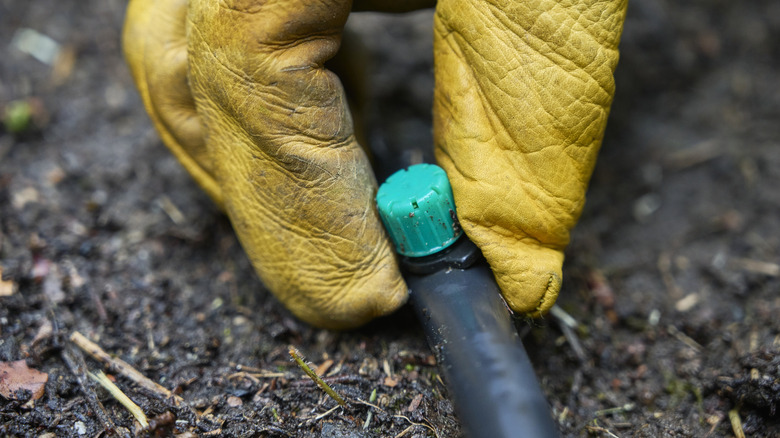
While this is super-important for zones 7 through 10, it really applies to every zone. Get your irrigation system in peak condition, ready for the hot, dry summer months. Test and fix it before it becomes load-bearing. Check the condition of valves and sprinkler heads. Don't forget to make sure emitters aren't clogged. If you've got buried lines and soaker hoses, don't neglect them. Testing in spring before you actually need to rely on irrigation is important, as it sets your whole garden up for success and means you're not scrambling to order parts and botch repairs while wrangling hoses and heavy watering cans to try and keep up with demand.
After a visual inspection, give the whole system a complete run-through, zone by zone. Start with just a trickle of water running through the system, and increase it to full power over a couple of minutes. You do a gradual increase so you don't shock a system that hasn't been used for months. Once it's up to capacity, let the water run through for a couple of minutes, then examine the zone to see if there are any obvious issues. Turn off the water, fix the problems, and re-test. Then move on to the next zone.
Mulch before the heat arrives, not after (Zones 8–10)
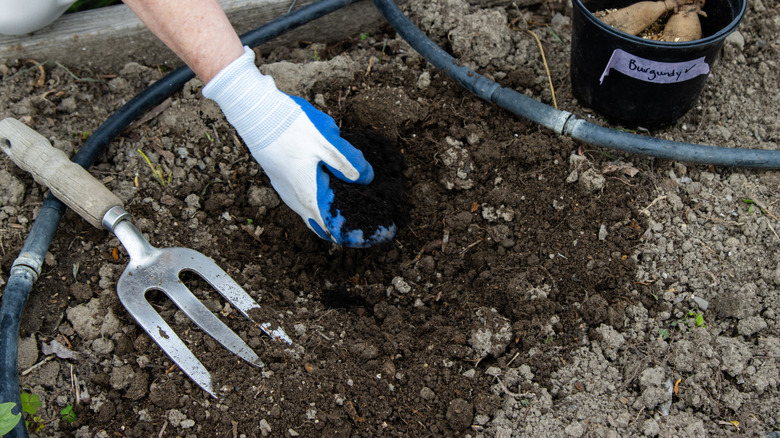
In warmer zones, people often seem to think that mulch is primarily a weed suppressant, and then apply reactively once weeds start to be unmanageable, usually once summer arrives. And yes, one of the many benefits of mulch in your garden is that it suppresses weeds. However, in warmer climates, its primary use should be to protect the soil, keeping it cooler and more stable, which also protects roots from excess heat. And, of course, this helps to retain moisture, too and stops the soil getting baked in the blazing sun.
Whatever your growing zone, mulch well and heavily in spring, but especially in warmer regions. Apply a 2 to 3-inch layer of organic mulch. I tend to use compost or well-rotted manure with a layer of straw over the top. Mulch has many uses in the garden; it'll suppress weeds but also help to combat summer heat. If you wait until mid June when temperatures are already soaring, much of the damage will already be done. Mulching thickly and early is one of the best things you can do for plants in hot, dry climates. Just remember to keep the mulch a few inches away from the base of plants so moisture doesn't get trapped against stems and trunks, which can cause rot and pest invasions.
Move overwintered tropicals back outside gradually (Zones 8–10)
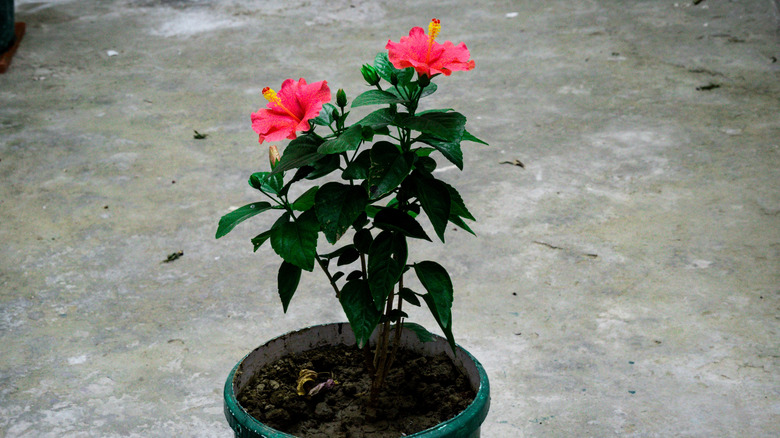
Even in hot zones, there's a good chance you had some tropicals that needed to come indoors for the winter, for a little extra care and protection. For many people, cannas, elephant ears, gingers, and potted hibiscus can't stay outside over winter. But now winter is over, you need to get them back outside, gradually, before it gets too hot for them to acclimate properly. Night time temperatures should be steadily above 50 degrees Fahrenheit before you start to transition your plants.
The key is to acclimate them over 10 days to 2 weeks, just like when you harden off seedlings. If you rush this acclimation process, you'll cause scorch or transplant shock, just as with seedlings you're bringing out of the greenhouse. Over the winter, the plants have gotten used to being spoiled in your home, with consistent temperature, light, and air. Outdoors is a little more unpredictable and harsh, and plants need ample time to adjust. So reintroduce them just like moving seedlings. Start with a couple of hours in dappled shade on a warm day and gradually increase their time outside over the next 2 weeks until they can comfortably survive overnight without any signs of stress.