

The Award-Winning Peony Variety That Smells Amazing & Looks Great On Borders
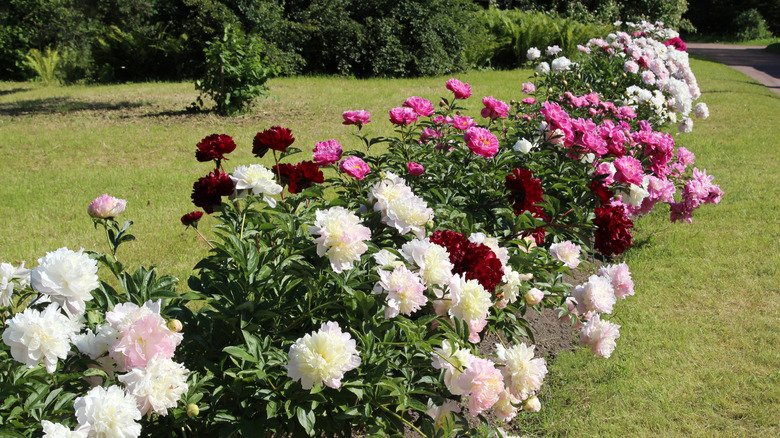
Peonies are well-loved favorites in the perennial border. They're long-lived, easy to grow, and come in a remarkable array of varieties in a range of colors, sizes, and forms. They make a beautiful cut flower, and even one bloom adds gorgeous texture and color to bouquets. There are also many delightfully fragrant peony cultivars that add sweet floral perfume to the garden. One of these is a lovely pink variety known as 'Sea Shell.'
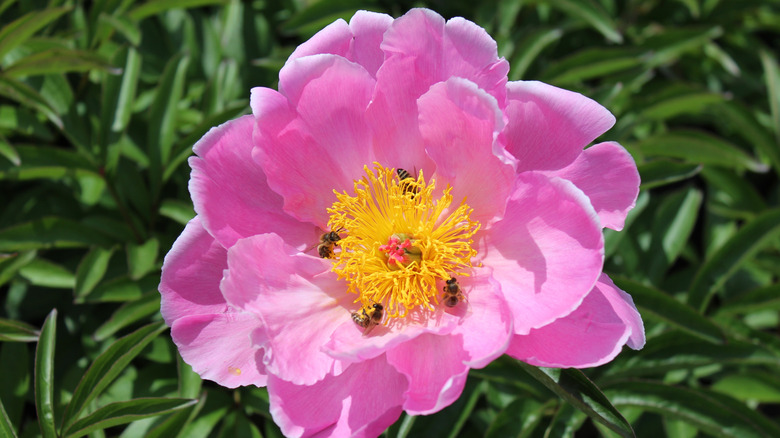
The 'Sea Shell' peony (Paeonia lactiflora 'Sea Shell') is available to order from a number of online vendors, though it can sometimes be hard to find. It's a popular peony for its beautiful color combination of warm yellow stamens surrounded by luminous pink petals. This shade of pink is sometimes referred to as candy pink, ballerina pink, or carnation pink, depending on the source. This peony also adds a sweet, rich fragrance to the perennial bed or to an indoor vase. It's a midseason bloomer that flowers between late spring and early summer, and usually lasts for a week to 10 days.
'Sea Shell' won the gold medal in 1990 from the prestigious American Peony Society. It's hardy in USDA Hardiness Zones 3 to 7, and grows between 30 and 36 inches tall. It was introduced in 1937 by the famous German-American plant breeder Hans P. Sass, who also has a peony cultivar named for him. This makes 'Sea Shell' a truly prized heirloom, which only adds to its charms.
How to grow the 'Sea Shell' peony
The 'Sea Shell' peony thrives best in full sun with moist but well-drained soil. If you have clay soil, adding plenty of compost when you plant will improve the soil texture. A light top dressing in the fall is recommended; this will break down and feed the soil slowly over the winter. However, you should avoid fertilizing peonies in the fall before the plants go dormant.
Pollinators are attracted to this peony after it blooms, but like many peonies, you may also see ants crawling on the buds before they open. These ants are enjoying the traces of sweet nectar of the flower and won't do any harm to your plants or garden, so leave them be. Other than these spring ants, peonies aren't bothered by pests; even deer and rabbits leave them alone.
Peonies can live for decades, but don't like to be disturbed, so it's possible you may lose a season of bloom if you relocate them. Handle them gently to avoid stress. If they're not blooming like they used to, it may mean they're not getting as much sun because a tree or shrub nearby has grown and has started to overshadow them. Peonies can be divided or moved in late summer or early fall, and this also helps prevent powdery mildew from a lack of air circulation, which can occasionally be an issue when peonies get crowded.
What to plant with your 'Sea Shell' peony
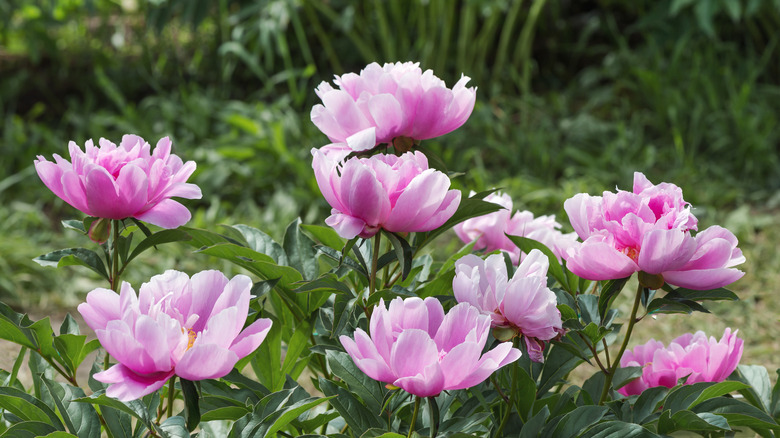
The lush, blue-toned pink of this peony will look great with other colorful spring bloomers that also enjoy full sun. Pink is one of those surprisingly versatile colors in the garden that can look wonderful with either warm or cool colors beside it, so you can let your creativity inspire you when choosing companion plants.
Since the 'Sea Shell' peony usually blooms around mid to late May, choose spring perennials that bloom at the same time for maximum beauty. Some ideas for other May-blooming perennials include flowering catmint (pale violet blue), dianthus (white, pink, crimson, magenta), and creeping phlox (white, pink, lavender, crimson), all of which do well in full sun, as well as shade lovers like columbines (many hues) or the pale purple-blue flowering perennial woodland phlox. Speaking of shade, if your bed is mixed sun and shade, be sure to plant your peonies where they'll get a good amount of direct sun: morning sun in spring seems best for them, especially in warmer zones.
May-flowering tulips are also a good companion plant for these peonies: Try them alongside richly colored varieties like 'Apricot Impression' (pale peach and rosy pink), 'Silver Cloud' (pale lavender blue), 'Black Hero' (deep plum purple), or 'Purple Dream' (bright magenta purple). Alliums also bloom in May: Try clumps of azure alliums for a nice burst of blue, or nice tall 'Pink Sensation' for a pink texture contrast.